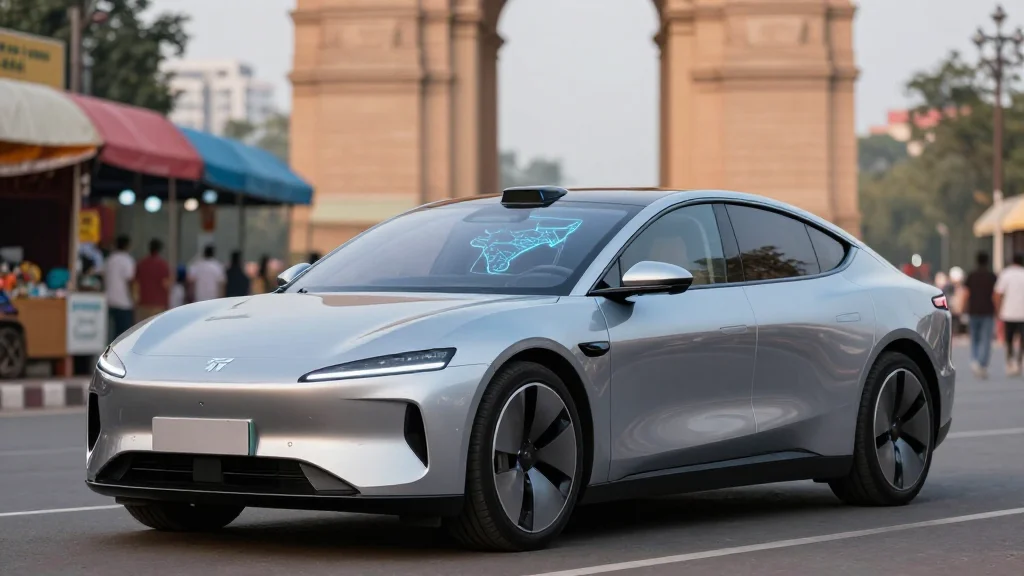
Uber CEO Says India Will Be Its Biggest Market in a Decade, Eyes AI Hiring and Kalanick Partnership

Why It Matters
India’s ascent to Uber’s top‑trip market reshapes the competitive dynamics of ride‑hailing in Asia, where rivals such as Ola and Grab are also vying for dominance. By anchoring AI and autonomous‑vehicle talent in the region, Uber positions itself to leverage India’s large engineering pool and cost advantages, potentially accelerating product rollouts like self‑driving fleets. The openness to a partnership with Travis Kalanick signals a strategic recalibration: rather than building all technology in‑house, Uber may co‑develop next‑generation mobility solutions, influencing how other global platforms approach autonomous partnerships. For CEOs across the mobility sector, Khosrowshahi’s dual focus on market scale and talent acquisition underscores a broader industry shift. As AI becomes a core differentiator, leadership decisions about where to source talent and how to structure collaborations will dictate market share in the next decade. Uber’s moves could set a template for leveraging emerging markets as talent hubs while simultaneously courting high‑profile founders for niche technology ventures.
Key Takeaways
- •India projected to become Uber’s largest market by trip volume within 10 years
- •Uber’s Indian talent base is the largest outside the US, prompting new tech‑centre investments
- •A quarter of Uber bike‑taxi trips start or end at mass‑transit points
- •Uber is open to partnering with Travis Kalanick’s Atoms autonomous‑vehicle venture
- •CEO announced a major AI hiring push, aiming to double down on AI talent
Pulse Analysis
Khosrowshahi’s India proclamation is more than a geographic milestone; it is a strategic bet that the country’s demographic dividend can fuel Uber’s next wave of innovation. Historically, Uber’s growth has been driven by capital‑intensive market entry, but the shift toward AI‑centric hiring suggests a pivot to a talent‑led model. By embedding AI engineers and robotics experts in India, Uber can reduce development cycles and lower costs, a competitive edge against rivals that still rely on offshore or fragmented talent pools.
The potential partnership with Travis Kalanick’s Atoms venture also reflects a pragmatic acknowledgment of Uber’s past missteps in autonomous driving. Rather than rebuilding a costly self‑driving stack, Uber may leverage Kalanick’s entrepreneurial agility and fresh capital to accelerate time‑to‑market. This hybrid approach—combining internal AI talent with external founder‑led ventures—could become a playbook for other tech CEOs navigating the high‑risk, high‑reward autonomous space.
Looking ahead, the real test will be execution. If Uber can translate its Indian market surge into sustained trip growth while delivering on AI hiring targets, it will reinforce the narrative that emerging markets are not just revenue sources but also innovation hubs. Conversely, any lag in talent acquisition or partnership integration could expose Uber to competitive pressure from local players and global rivals that are already field‑testing autonomous fleets. The next earnings season will likely reveal whether Khosrowshahi’s vision is a catalyst for lasting market leadership or a high‑profile promise that remains unfulfilled.
Uber CEO Says India Will Be Its Biggest Market in a Decade, Eyes AI Hiring and Kalanick Partnership
Comments
Want to join the conversation?
Loading comments...