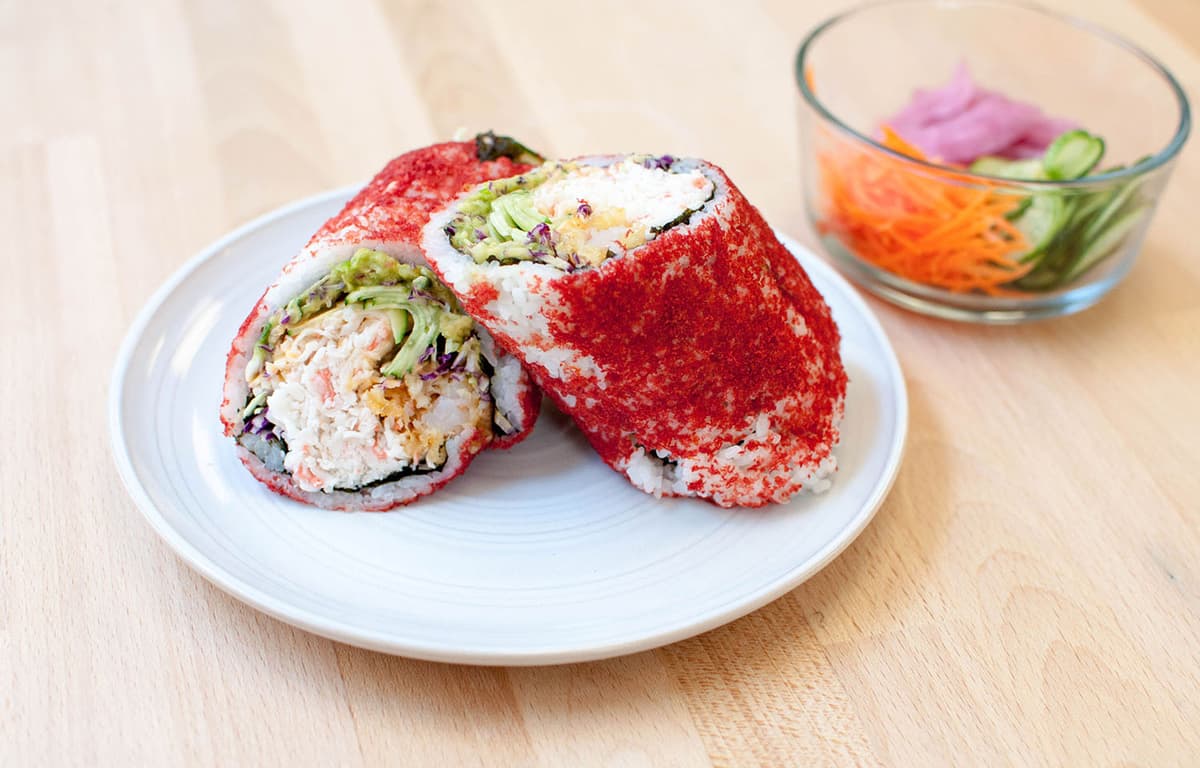
US Sushi Sushirrito Chain Shuts Down
Why It Matters
The shutdown highlights the challenges fast‑casual innovators face even in a booming $22 bn sushi market, signaling that brand differentiation and operational scalability remain critical for survival. It also underscores how shifting consumer demographics, especially Gen Z’s appetite for convenient, health‑focused foods, are reshaping the seafood‑service landscape.
Key Takeaways
- •Sushirrito shut down after 15 years despite sushi market’s $22 bn size.
- •Founder Peter Yen claims invention of sushi burrito, trademarked name in 2008.
- •U.S. sushi sales hit $16 bn in restaurants, over 16,000 venues nationwide.
- •Gen Z drives sushi growth, favoring health, convenience, and global flavors.
Pulse Analysis
Sushirrito’s rise and fall encapsulate the volatile nature of fast‑casual dining in the United States. Launched in 2011, the concept married Japanese sushi techniques with the portability of a burrito, targeting on‑the‑go consumers seeking novelty and perceived health benefits. After expanding through a licensing deal with ghost‑kitchen operator Local Kitchens, the brand peaked with ten satellite sites, yet operational complexities and high real‑estate costs in urban markets forced a retreat, leaving a single storefront operational before the final shutdown announcement.
The broader sushi sector tells a different story. According to the National Fisheries Institute, the U.S. sushi market now approaches $22 billion, with restaurant channels accounting for roughly $16 billion of that total. Over 16,000 dedicated sushi restaurants serve a demographic that has shifted dramatically: Gen Z and millennials, drawn by convenience and health narratives, are outpacing older, higher‑income cohorts in frequency of consumption. This democratization is prompting sushi to appear on non‑traditional menus—from hospitals to corporate cafeterias—expanding the category’s reach and reinforcing its status as a key driver of seafood demand.
For investors and entrepreneurs, Sushirrito’s demise serves as a cautionary tale about scaling niche concepts in a crowded market. While consumer appetite for innovative, portable seafood remains robust, success hinges on sustainable supply chains, adaptable real‑estate strategies, and clear brand differentiation. Companies that can leverage the growing appetite for health‑forward, globally inspired dishes while maintaining operational efficiency are poised to capture a share of the expanding $16 billion restaurant sushi spend. The lesson: novelty alone isn’t enough; execution and adaptability are paramount.
US sushi Sushirrito chain shuts down
Comments
Want to join the conversation?
Loading comments...