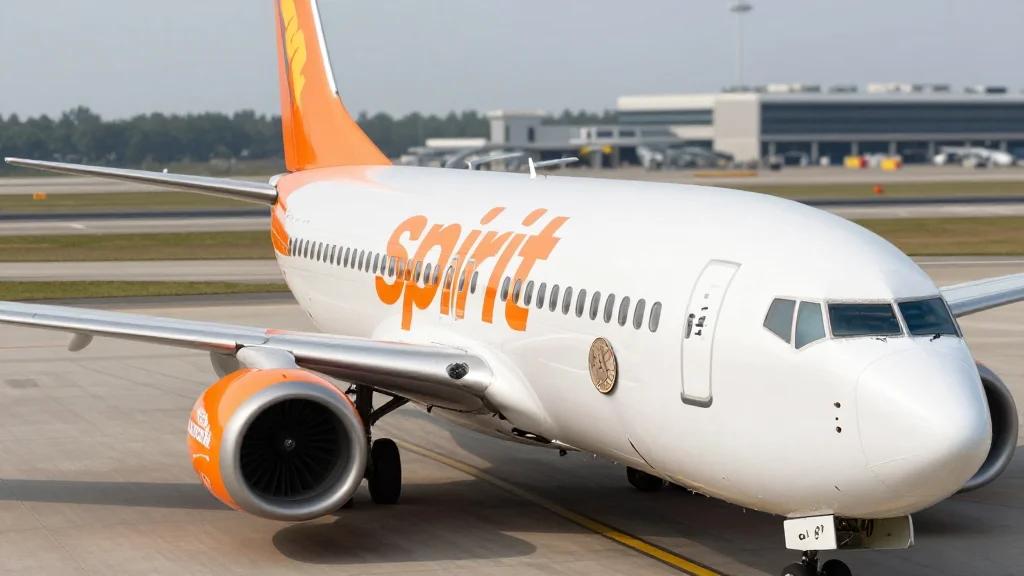
Spirit Airlines Bankruptcy Risks $26 M Revenue Loss for Detroit Metro Airport

Companies Mentioned
Why It Matters
The Spirit bankruptcy spotlights the vulnerability of airport financing models that rely heavily on a few dominant carriers. For CFOs at Detroit Metro and its airline partners, the immediate concern is cash‑flow shortfall and the prospect of higher landing fees that could erode profit margins. Longer‑term, the episode may trigger a reassessment of residual funding structures, prompting airports nationwide to diversify revenue sources and build stronger contractual safeguards against carrier defaults. Additionally, the case raises regulatory and policy questions about how public subsidies—such as the $1 million grant and tax abatement Spirit received—interact with bankruptcy outcomes. Policymakers may scrutinize the adequacy of such incentives and consider reforms to protect public‑interest assets like airport infrastructure when private airlines fail.
Key Takeaways
- •Spirit contributed $26 million in fees and leases to Detroit Metro in 2024, about 7% of the airport’s operating revenue.
- •Spirit carried 1.7 million passengers in 2025, representing 11% of Metro’s market share.
- •Airport authority can raise landing fees and terminal rents mid‑year to cover deficits.
- •Bond filings warn remaining airlines may have to absorb unrecovered lease obligations.
- •Potential rate hikes could increase ticket prices and pressure airline margins.
Pulse Analysis
Spirit’s collapse is a textbook example of concentration risk in airport‑airline ecosystems. Detroit Metro’s residual methodology, while offering flexibility, also transfers the burden of a carrier’s financial distress onto the remaining airlines. Historically, hubs that depend on a single low‑cost carrier—such as Denver with Frontier or Dallas‑Love with Southwest—have faced similar shocks, prompting many to renegotiate fee structures or seek new airline partners to dilute exposure.
From a CFO perspective, the immediate priority is liquidity management. The $26 million shortfall, though modest in absolute terms, represents a sizable slice of the airport’s budget and could force a reallocation of capital away from capital‑intensive projects like terminal upgrades. Airlines, meanwhile, must model the impact of potential fee increases on unit economics, especially as fuel costs remain volatile. Some carriers may negotiate temporary fee waivers or deferred payments, but the bond language suggests the authority retains the right to enforce full recovery.
Looking ahead, the Spirit case may accelerate a broader industry trend toward more robust contractual clauses that protect airports from lease defaults, including security deposits or performance bonds. It could also spur regional airports to diversify revenue streams—expanding non‑aeronautical income from retail, parking and real‑estate—to reduce reliance on airline fees. For CFOs, the lesson is clear: risk assessments must now factor in not just market demand but also the financial health of partner airlines, and contingency plans should be baked into annual budgeting cycles.
Overall, the fallout will likely reverberate beyond Detroit, prompting other airport authorities to revisit their funding models and prompting airlines to scrutinize the cost of operating at hubs with high exposure to single‑carrier risk.
Spirit Airlines Bankruptcy Risks $26 M Revenue Loss for Detroit Metro Airport
Comments
Want to join the conversation?
Loading comments...