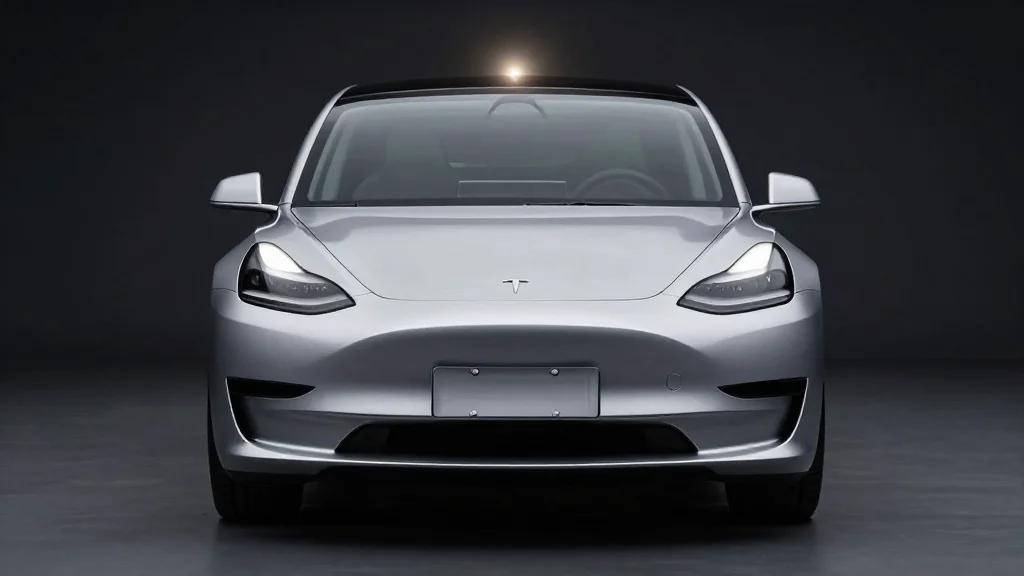
Tesla (TSLA) Releases Q1 2026 Financial Results: Slight Beat on Earnings
Companies Mentioned
Why It Matters
The earnings beat underscores Tesla’s pricing power and cost efficiencies, but the delivery miss and inventory rise raise questions about demand sustainability and supply‑chain balance, influencing investor confidence and sector dynamics.
Key Takeaways
- •Delivered 358,023 vehicles, missing forecast by ~7,600 units.
- •Gross margin rose to 21.1%, up 478 bps YoY.
- •Revenue hit $22.38 billion, slightly above $22.3 billion consensus.
- •Energy‑storage deployment dropped 38% sequentially to 8.8 GWh.
- •One‑time warranty and tariff refunds lifted Q1 earnings.
Pulse Analysis
Tesla’s Q1 2026 earnings illustrate a mixed performance that will shape the EV maker’s near‑term narrative. While the company topped consensus EPS at $0.41 and nudged revenue to $22.38 billion, the modest 0.3% revenue upside masks underlying pressures. A 21.1% gross margin—up 478 basis points year‑over‑year—signals effective cost control and favorable product mix, yet the 7,600‑vehicle delivery shortfall and a 50,000‑unit inventory surplus hint at demand softness or production pacing issues. Analysts will scrutinize whether the inventory buildup is a strategic buffer or a sign of waning consumer appetite.
The earnings beat was partially fueled by one‑time automotive benefits, notably warranty reimbursements and a tariff refund, which bolstered profitability but are unlikely to recur. Tesla’s claim of 1.28 million Full Self‑Driving (FSD) subscribers includes all purchasers, not active subscribers, diluting the metric’s relevance. Meanwhile, the energy‑storage segment contracted sharply, with deployments falling 38% to 8.8 GWh, reflecting broader market volatility in battery‑storage projects. These dynamics suggest that while core automotive margins are resilient, ancillary businesses and future software revenue streams remain uncertain.
For investors and industry watchers, Tesla’s results reinforce its ability to generate cash and improve margins even amid macroheadwinds, but the delivery gap and inventory rise could pressure the stock if demand does not rebound. The delayed robotaxi rollout and ongoing debates over unsupervised FSD deployments add regulatory and reputational risk. Competitors such as BYD and legacy automakers accelerating EV rollouts may erode Tesla’s market share, making the company’s next quarterly guidance a critical barometer for its competitive positioning and long‑term growth trajectory.
Tesla (TSLA) releases Q1 2026 financial results: slight beat on earnings
Comments
Want to join the conversation?
Loading comments...