Key Takeaways
- •267 GW utility‑scale storage installed since 2012
- •Projections consistently underestimate actual battery deployment rates
- •Oil price spikes revive coal use in Asia and Europe
- •Data‑center power demand drives new natural‑gas projects in Ohio
- •India’s climate plan targets 60% clean power by 2035
Pulse Analysis
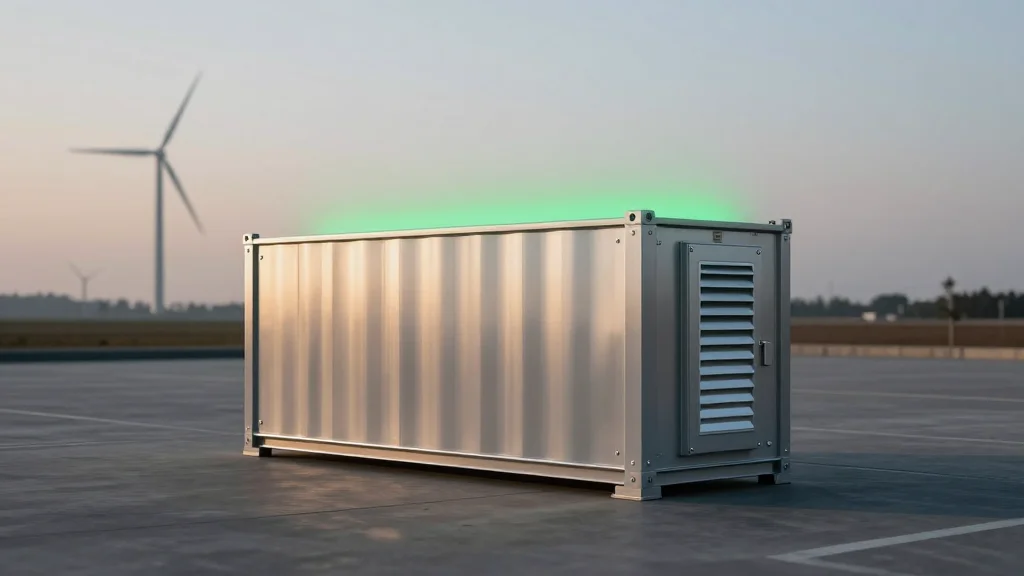
Battery storage has moved from a niche technology to a cornerstone of modern power systems. Since the first grid‑connected lithium‑ion units appeared in 2012, cumulative utility‑scale capacity now exceeds 267 GW, a figure that dwarfs earlier industry forecasts. This rapid scaling is driven by falling cell costs, modular designs, and the need for grid operators to balance intermittent solar and wind output. As storage becomes more affordable, utilities are deploying larger, longer‑duration systems that can provide frequency regulation, peak shaving, and emergency backup, thereby reducing reliance on fossil‑fuel peakers.
At the same time, geopolitical upheavals—most notably the Iran‑related oil market disruption—have sent crude prices soaring, prompting several Asian economies to temporarily lift coal usage limits. Nations such as Japan, South Korea, and Thailand are re‑activating coal‑fired plants to hedge against volatile LNG supplies, while European countries are considering reserve plant re‑starts. In the United States, the surge in AI‑driven data centers has spurred a public‑private partnership to build 10 GW of new generation capacity, predominantly natural gas, underscoring the continued role of conventional fuels in meeting short‑term demand spikes.
For investors and policymakers, the juxtaposition of booming battery deployment with a short‑term coal and gas rebound presents both risk and opportunity. Companies that can integrate storage with renewable portfolios stand to capture market share as grid operators prioritize flexibility. Conversely, regions relying on coal may face regulatory and carbon‑pricing pressures as global climate commitments tighten. Strategic capital allocation now hinges on assessing which technologies will deliver reliable, low‑carbon power while navigating the volatility of global energy markets.
Batteries: Still boomin' (pt II)
Comments
Want to join the conversation?