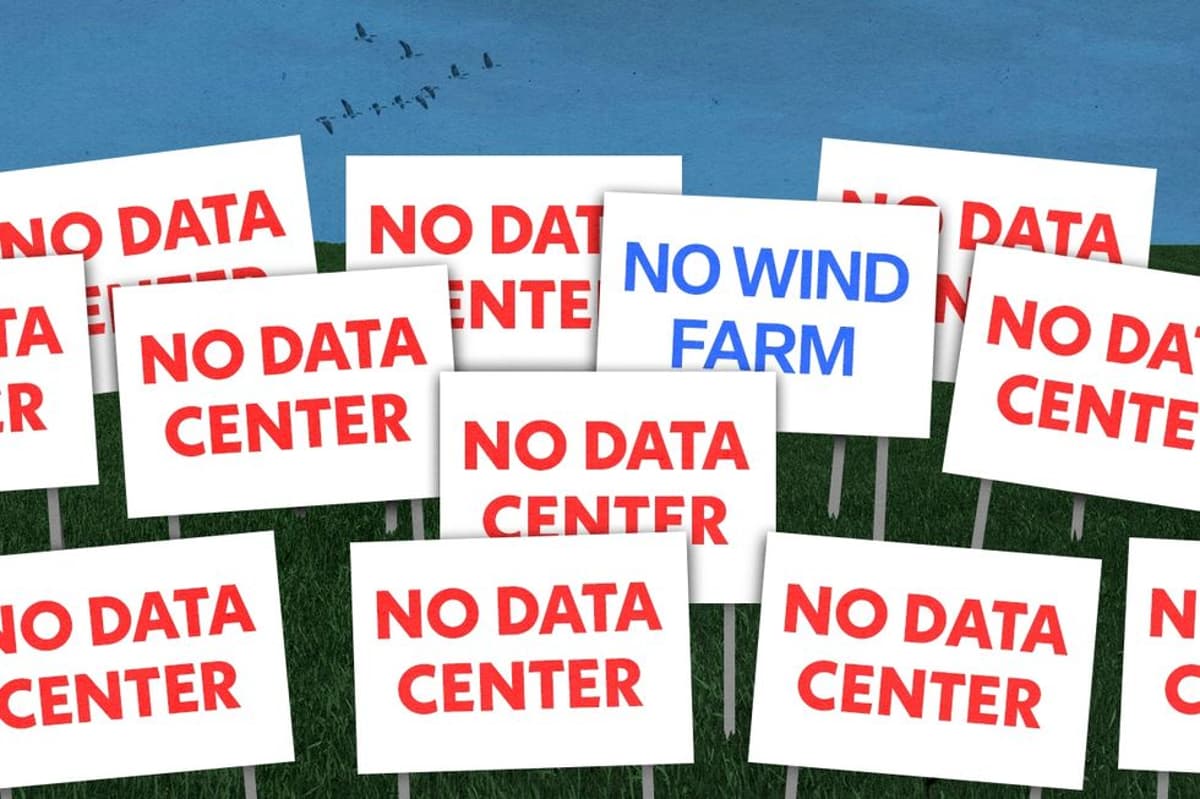
Exclusive: Data Centers Are Now More Controversial Than Wind Farms
Key Takeaways
- •Al Taweelah smelter outage may last up to one year
- •Brazil releases offshore wind guidelines to attract developers
- •BYD installs 5,000 Flash chargers across China
- •Mingyang commits $10 billion to Ethiopian green‑fuel projects
- •Dominica commissions 10‑MW geothermal plant, boosting island renewables
Pulse Analysis
Middle‑east hostilities have reminded investors that energy infrastructure remains vulnerable to geopolitical shocks. The recent missile damage to Iran’s Bushehr nuclear facility and the emergency shutdown of Abu Dhabi’s Al Taweelah aluminum smelter illustrate how supply chains for critical commodities can be abruptly disrupted, potentially tightening global aluminum and power markets for months. Such events also pressure governments to reassess risk‑mitigation strategies, from diversifying import sources to bolstering domestic resilience.
At the same time, the renewable sector is gaining momentum across disparate regions. Brazil’s new offshore wind guidelines create a clear permitting pathway, positioning the country to capture a share of the multi‑gigawatt market that Europe and Australia are already courting. In Asia, BYD’s rapid deployment of 5,000 Flash chargers underscores China’s aggressive push to make electric‑vehicle charging as convenient as refueling, while Mingyang’s $10 billion investment in Ethiopian green‑hydrogen and ammonia projects signals a strategic move to export clean‑fuel technology to Africa’s growing energy landscape. Even small economies like Dominica are turning to geothermal, with a 10‑MW plant now feeding the grid and reducing reliance on imported oil.
Policy debates in the United States add another layer of complexity. A controversial $1 billion payment to TotalEnergies for abandoning offshore wind projects has sparked bipartisan criticism, highlighting the tension between fossil‑fuel subsidies and the nation’s clean‑energy ambitions. As lawmakers push back, the episode may reshape how future offshore wind financing is structured, potentially accelerating private‑sector investment while ensuring greater transparency. Collectively, these developments illustrate a global energy transition that is both risk‑laden and opportunity‑rich, urging stakeholders to balance security concerns with the imperative for sustainable growth.
Exclusive: Data Centers Are Now More Controversial Than Wind Farms
Comments
Want to join the conversation?