Green vs Baseload: The Most Suitable Energy for a Developing Country?
Key Takeaways
- •Namibia’s electrification sits at ~50%, with rural gaps up to 80%.
- •Intermittent renewables need firm backup to meet evening peak demand.
- •Grid‑forming inverters are experimental; current inverters limit stability.
- •Gas, hydro, or small nuclear provide essential dispatchable capacity.
- •Overreliance on solar/wind raises system costs and outage risk.
Pulse Analysis
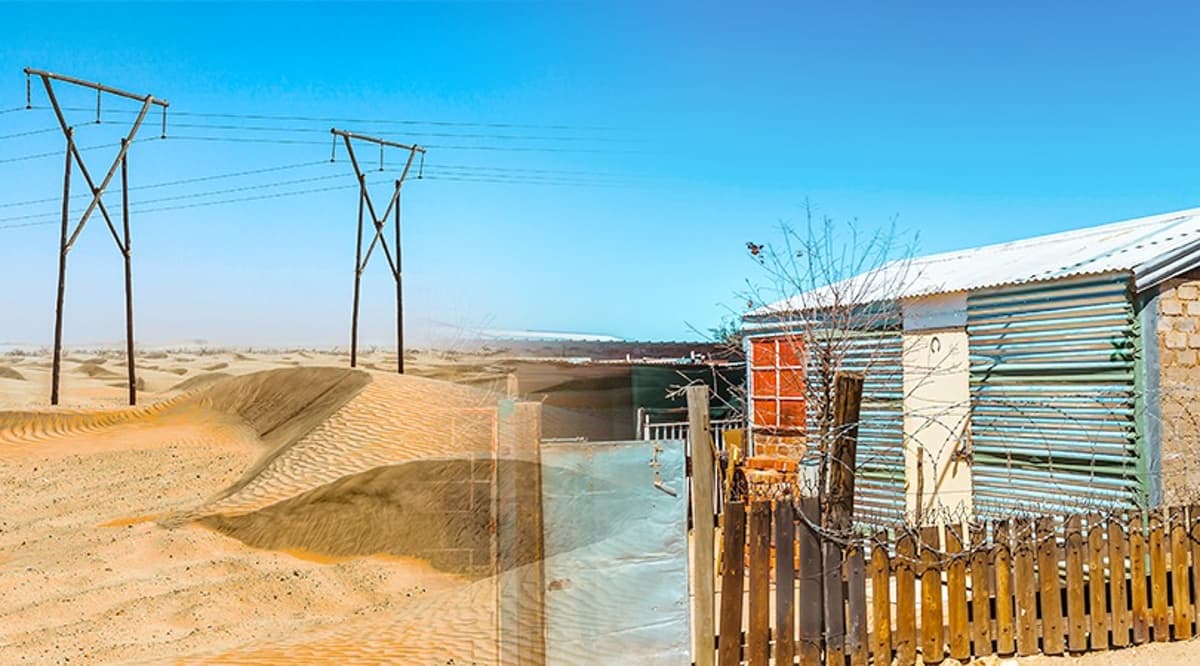
Developing economies face a stark trade‑off between the allure of low‑carbon renewables and the hard reality of energy reliability. Namibia illustrates the dilemma: roughly half its population enjoys electricity, yet rural households remain largely off‑grid, and the nation imports a sizable share of its power from South Africa, Zambia and Zimbabwe. Import dependence exposes the country to external supply shocks and price volatility, while domestic generation—currently only 40% of demand—must expand quickly to support growth. Policymakers therefore need to assess not just the resource potential of solar and wind, but also the cost of integrating intermittent sources into a fragile grid.
Technical constraints underpin the cautionary tone. Solar panels generate most of their output at midday, missing the evening peak when households and businesses consume the most electricity. Wind, while complementary, is erratic and cannot guarantee output at specific times. Conventional generators provide inertia and voltage support—physical properties that keep frequency stable—whereas inverter‑based renewables are grid‑following and disconnect during disturbances. The 2021 Spain blackout, triggered by a faulty solar inverter and subsequent loss of inverter‑based generation, underscores how high penetrations of intermittent power can amplify system fragility if not backed by firm capacity.
The pragmatic path forward blends dispatchable and renewable resources. Gas‑fired plants, hydro, and emerging small modular nuclear reactors can deliver the continuous, controllable power needed for grid stability, while solar and wind reduce fuel consumption during daylight hours. In remote, low‑density areas, micro‑grids combining solar, batteries, and diesel backup can be cost‑effective. Aligning financing with ESG goals requires transparent accounting for the full lifecycle costs of renewables, including transmission upgrades and backup provision. A balanced, technology‑agnostic strategy will enable Namibia—and similar developing nations—to achieve reliable, affordable electricity without sacrificing long‑term sustainability.
Green vs Baseload: the most suitable energy for a developing country?
Comments
Want to join the conversation?