I Spent the Day At a Noisy Data Center. Here’s What I Learned.
Key Takeaways
- •VA2’s gas turbines produce a pervasive low‑frequency hum
- •Noise complaints are the top cause of data‑center project cancellations
- •Chandler, AZ adopted a 2023 ordinance mandating sound mitigation
- •Microsoft is manually adjusting fans and adding sound‑reduction components
- •Local officials say existing ordinances may need revision for tonal frequencies
Pulse Analysis
Data centers are the backbone of today’s AI boom, but their physical footprint is increasingly felt in neighboring communities. Beyond electricity consumption, the constant roar of cooling systems and backup generators creates a low‑frequency hum that can travel miles, disrupting sleep and daily life. Studies from Heatmap Pro show that roughly one‑third of data‑center disputes involve noise, making it the leading source of public opposition. As hyperscale facilities multiply, municipalities are forced to confront a problem that traditional noise ordinances—designed for traffic or construction—are ill‑equipped to measure.
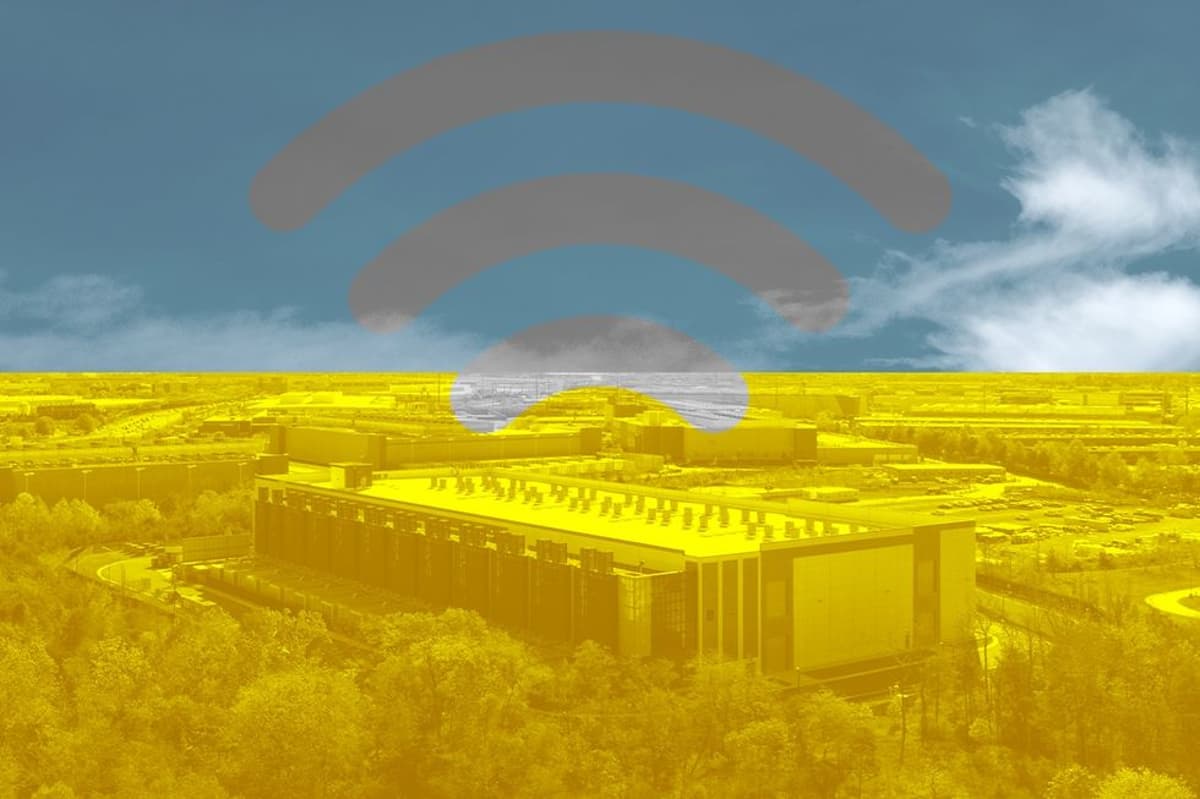
The Vantage VA2 campus in Loudoun County exemplifies the tension. Built under a fast‑track commercial incentive program, the 2022‑2024 project runs on on‑site gas turbines to stay off the grid, a strategy praised for reliability but criticized for its acoustic impact. Residents report a jet‑engine‑like whoosh that persists day and night, and while Vantage cites compliance with local limits, officials acknowledge that current metrics miss the tonal frequencies that cause the most distress. In response, the company is deploying dampening enclosures and targeting specific frequency bands, while Microsoft, operating a nearby site, has begun manual fan adjustments and plans additional sound‑reduction installations.
The broader implication is clear: without updated regulatory frameworks, data‑center developers may face mounting community resistance that could stall or cancel multi‑billion‑dollar projects. Cities like Chandler, Arizona have already enacted ordinances requiring sound mitigation, and Loudoun County supervisors are considering zoning revisions. Industry players must therefore invest in acoustic engineering early in the design phase, not only to meet existing codes but to anticipate future standards that address both decibel levels and frequency composition. Proactive mitigation will be essential for sustaining the rapid growth of AI‑driven infrastructure while preserving neighborhood livability.
I Spent the Day At a Noisy Data Center. Here’s What I Learned.
Comments
Want to join the conversation?