Key Takeaways
- •AI data centers face rising local opposition, over 100 canceled since 2025
- •Nvidia Q1 FY2027 earnings beat expectations despite community pushback
- •Nvidia claims its AI workloads can reduce global carbon emissions
- •Company invests in solar, battery, and gas‑turbine power for data centers
- •Sustainable operation seen as competitive advantage in AI hardware market
Pulse Analysis
The rapid expansion of AI‑driven data centers is reshaping the U.S. electricity landscape. Operators are deploying new solar arrays, large‑scale battery farms, and even low‑carbon gas turbines to meet the voracious power appetite of GPU clusters. Yet the visual footprint of these facilities has sparked a wave of local opposition, with Heatmap tracking over a hundred cancellations since 2025. Communities cite concerns about land use, noise, and perceived environmental harm, creating a political headwind that could slow future deployments if not addressed.
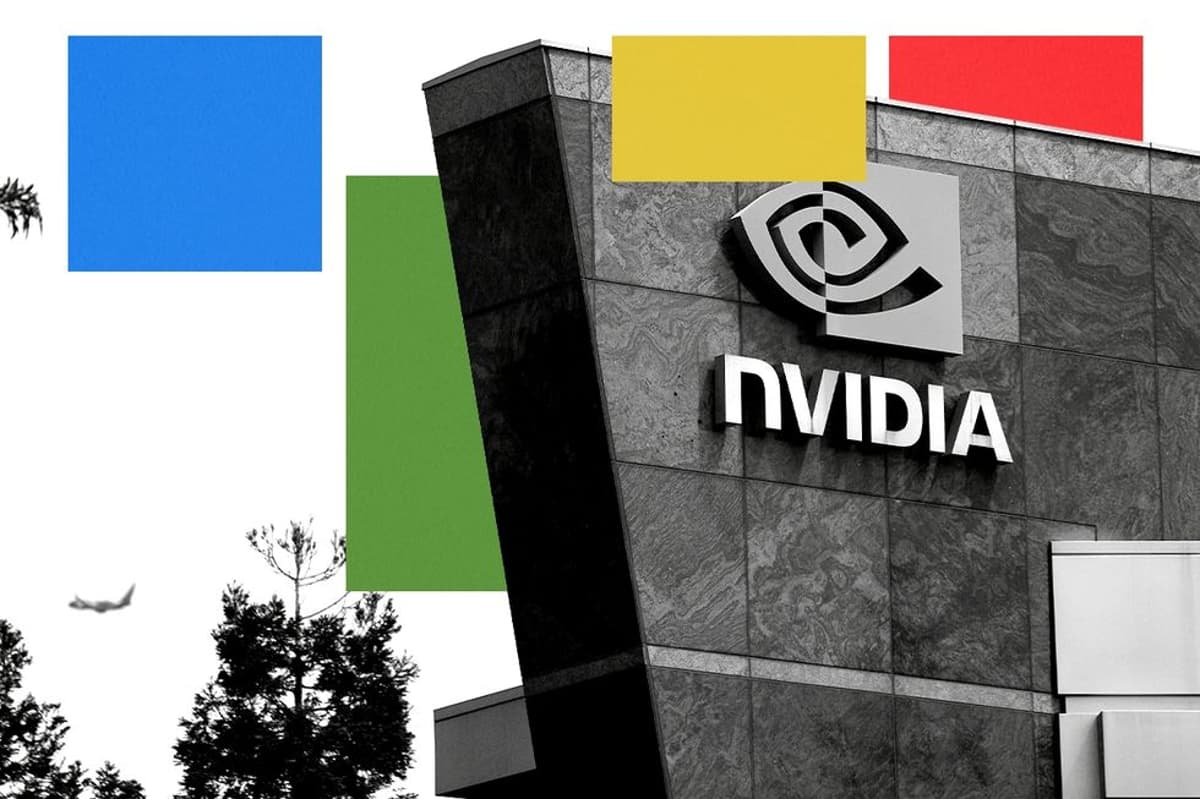
Nvidia, the dominant supplier of AI chips, is positioning sustainability as a core differentiator. In a recent Shift Key interview, head of sustainability Josh Parker outlined how AI can act as a carbon‑reduction catalyst—optimizing energy‑intensive processes, accelerating drug discovery, and improving industrial efficiency. The company backs these claims with tangible investments: solar farms co‑located with data hubs, battery storage to smooth intermittency, and modern gas turbines that emit far less CO₂ than legacy plants. By integrating renewable power directly into its data‑center ecosystem, Nvidia argues its AI workloads deliver a net‑positive climate impact, a narrative that resonates with ESG‑focused investors.
For the market, Nvidia’s sustainability story carries weight beyond branding. Analysts are beginning to factor the carbon‑efficiency of AI infrastructure into valuation models, while regulators may tighten reporting requirements for high‑energy facilities. Companies that can demonstrably lower emissions while scaling AI services could secure favorable policy treatment and attract capital from funds with strict climate mandates. As community pushback intensifies, transparent data on renewable procurement and emissions reductions will become a competitive moat, making Nvidia’s proactive approach a potential benchmark for the broader tech sector.
Nvidia’s Case for Why AI Will Cut Emissions
Comments
Want to join the conversation?