Running on Empty: Sydney’s Answer to the Global Fuel Crisis Lies in Renewable Energy Zones
Key Takeaways
- •Sydney could meet 75% of energy via rooftop solar and storage
- •Western Sydney leads in household solar and battery adoption
- •Only 30% of Sydney homes have rooftop solar, equity gap persists
- •Government programs aim to install 300,000 batteries by 2030
- •Industrial estates could generate 5‑10× their own energy needs
Pulse Analysis
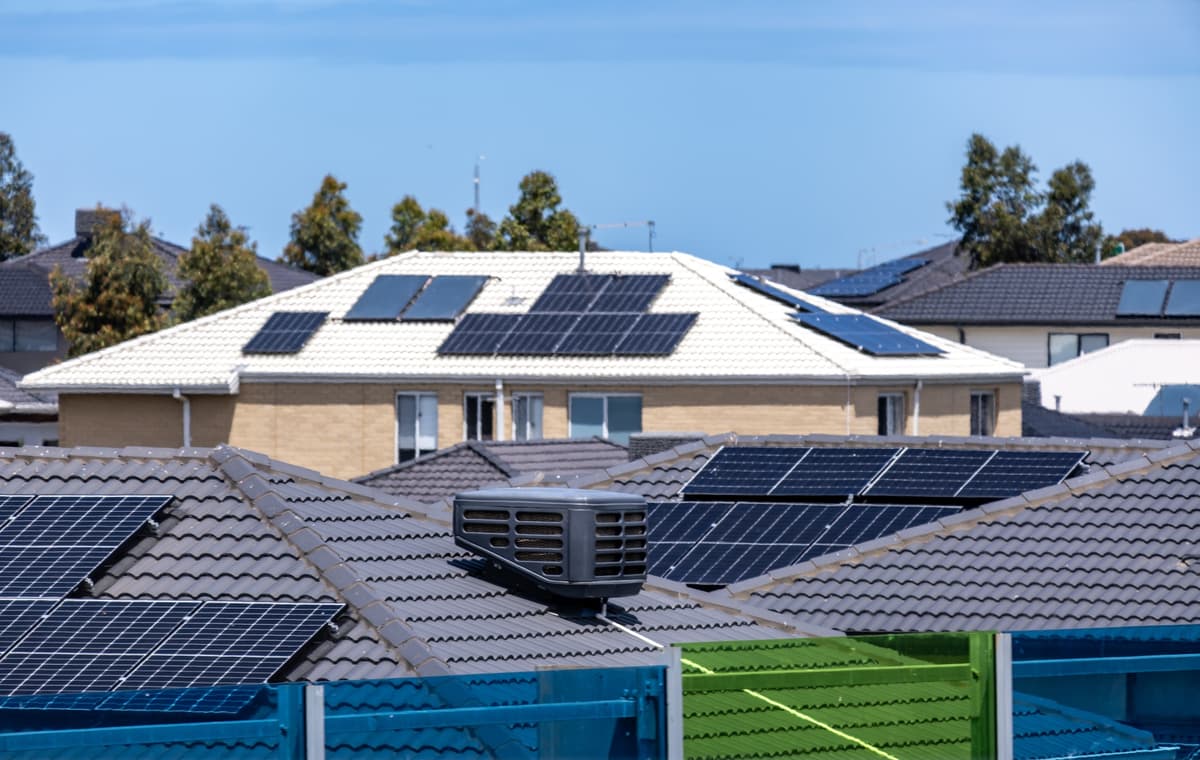
Renewable Energy Zones (REZs) are emerging as a strategic answer to both climate risk and the current global fuel crisis. In Sydney, rooftop solar already supplies more than 10% of the city’s electricity, and the combination of home‑based batteries and electric vehicles creates a flexible, decentralized grid. This architecture reduces dependence on imported oil and gas, which are vulnerable to geopolitical disruptions such as tensions in the Strait of Hormuz. By turning neighborhoods into self‑sufficient energy hubs, the city can maintain power continuity during extreme weather events and market shocks.
Economic equity, however, remains a critical hurdle. While Western Sydney’s suburbs boast the highest concentrations of solar panels and storage units, only about 30% of all households have access to these technologies. Renters, apartment dwellers, and small businesses often lack the capital or ownership structure to install rooftop systems. Federal programs like Community Batteries for Household Solar and the Cheaper Home Batteries initiative are designed to bridge this gap, targeting 300,000 new battery installations by 2030 and supporting over two million Australians in adopting storage solutions. These policies not only lower upfront costs but also generate a collective resilience dividend that benefits the broader community.
The broader implication is a shift in how cities worldwide can safeguard themselves against fuel price volatility and supply chain interruptions. If Sydney can achieve its projected 75% self‑generation target, the model demonstrates a viable pathway for other dense urban centers to reduce fossil‑fuel exposure while unlocking economic benefits from excess generation. Investors are likely to view REZs as low‑risk, high‑return assets, spurring further private capital into distributed renewable infrastructure. The convergence of technology, policy, and consumer demand positions Sydney to lead a new era of energy autonomy that could redefine urban resilience on a global scale.
Running on empty: Sydney’s answer to the global fuel crisis lies in renewable energy zones
Comments
Want to join the conversation?