Key Takeaways
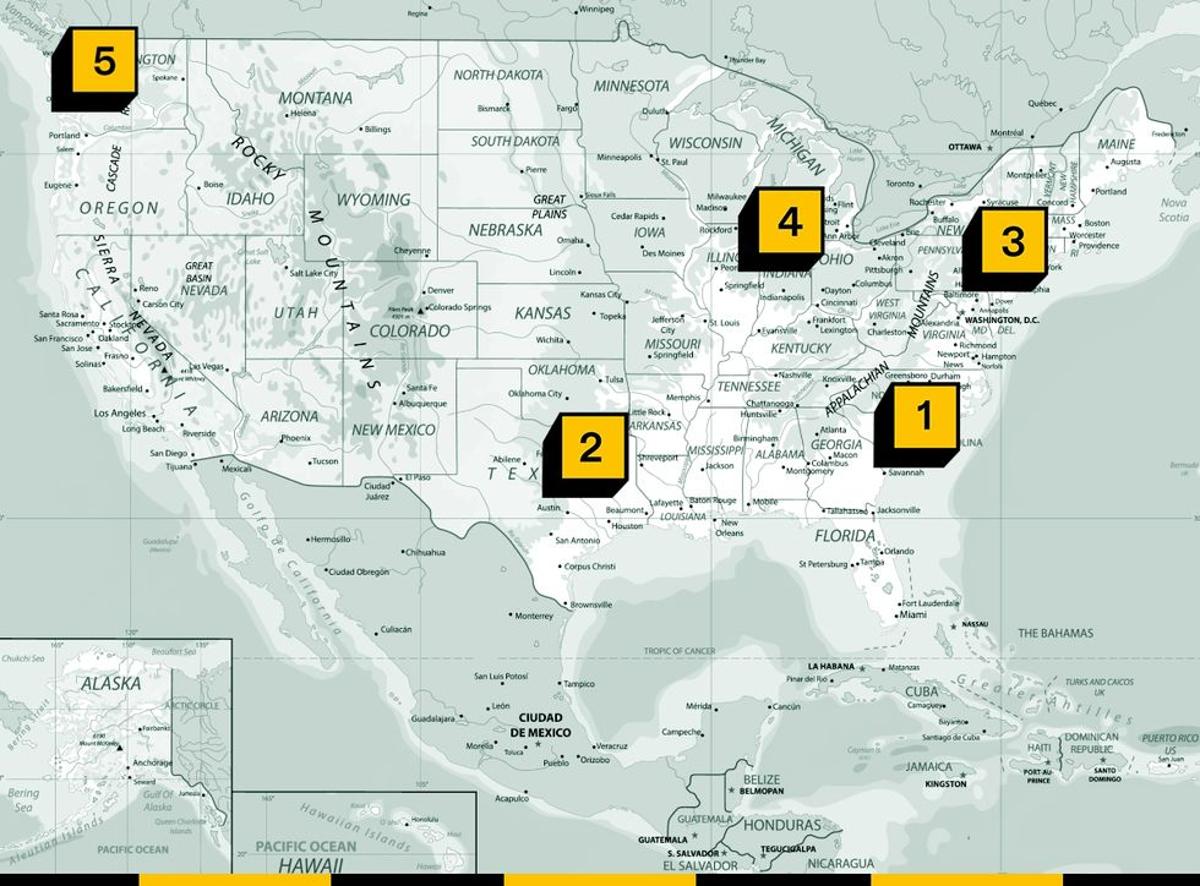
- •Berkeley County votes to lift solar moratorium for 198 MW farm
- •Hill County, TX imposes a one‑year data‑center approval freeze
- •Andover, NJ bans data center that would have covered ~33% of budget
- •County zoning limits rise, reflecting growing community resistance to large projects
Pulse Analysis
Rising electricity costs are prompting utilities and developers to look for new supply sources, but local opposition can quickly derail even well‑intentioned projects. In Berkeley County, South Carolina, a 20% increase in residential rates over three years has spurred the county’s land‑use committee to recommend lifting a 2023 solar moratorium. RWE’s proposal for a 198‑megawatt farm—enough power for roughly 37,000 homes—offers a clear economic benefit, yet vocal opponents rallied at the hearing, underscoring the county’s high opposition risk score. The outcome will serve as a bellwether for how utility‑scale renewables navigate community sentiment in traditionally conservative jurisdictions.
Across the nation, data‑center developers face an escalating patchwork of local restrictions. Hill County, Texas, a Republican‑leaning ex‑urban area, voted to suspend new data‑center approvals for a year, despite legal counsel warning of inevitable lawsuits. In Andover, New Jersey, a single project that could have supplied nearly a third of the town’s budget was abruptly canceled after heated public meetings, illustrating how even modest economic incentives can be outweighed by grassroots backlash. Indiana’s Valparaiso and Porter County are drafting ordinances that limit data‑center siting to industrial zones and impose special‑use permits, while Washington’s Snoqualmie is poised to adopt a battery‑storage moratorium. These moves reflect a broader trend: local governments are leveraging zoning tools to assert control over high‑intensity energy uses.
The cumulative effect of these localized moratoria could reshape the national energy landscape. Developers may need to prioritize early, transparent community engagement and diversify site portfolios to mitigate regulatory risk. Utilities, in turn, might accelerate investments in distributed generation—such as rooftop solar or community microgrids—to sidestep contentious large‑scale projects. Policymakers at state and federal levels could consider harmonizing permitting frameworks to balance clean‑energy goals with local autonomy, ensuring that the transition to renewable power and digital infrastructure proceeds without costly delays. The emerging pattern of county‑level resistance underscores the importance of aligning economic, environmental, and social objectives in future energy planning.
South Carolina County Mulls Lifting Solar Ban
Comments
Want to join the conversation?