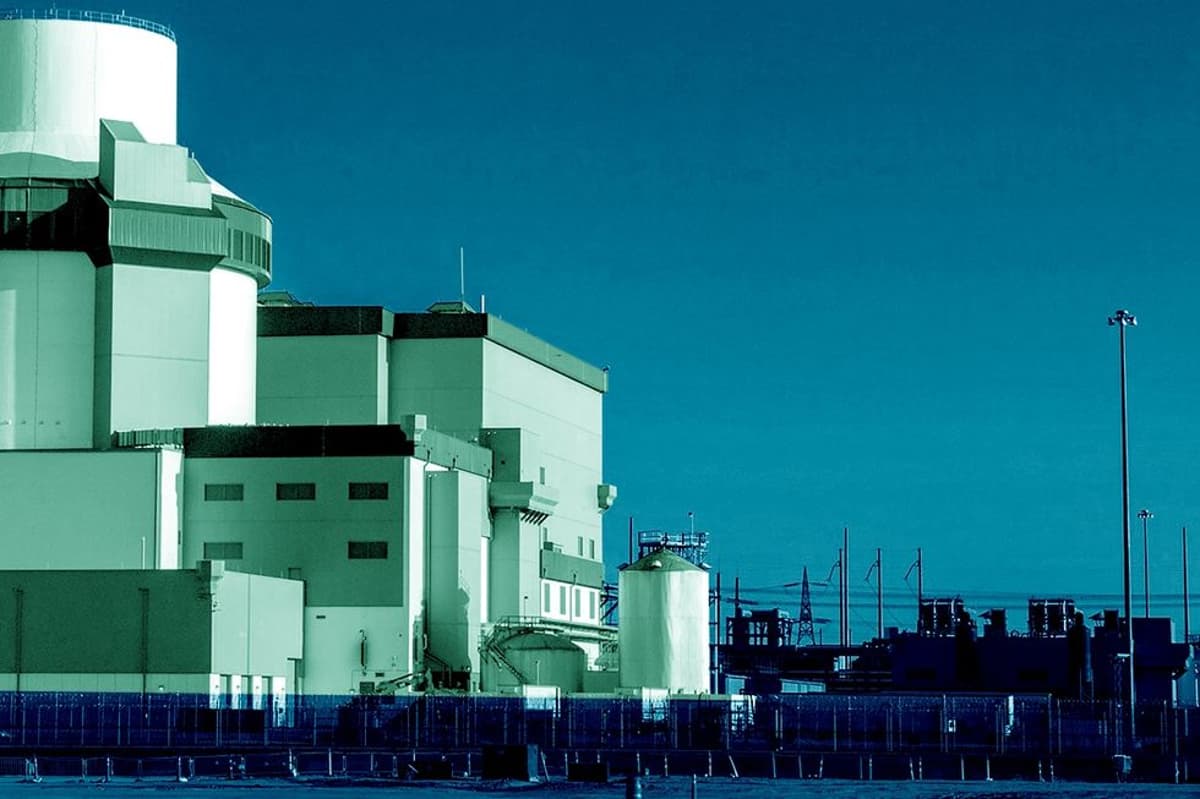
Trump’s Big Nuclear Play Is Here
Key Takeaways
- •$17.5 B low‑interest loans target up to ten AP1000 reactors
- •Joint utility‑Westinghouse ownership spreads risk and operational control
- •Expected 11 GW of zero‑carbon electricity by 2035
- •Bulk AP1000 component orders aim to cut construction delays
- •Bipartisan backing mirrors successful nuclear strategies in Europe and China
Pulse Analysis
The Department of Energy’s new loan portfolio marks the most ambitious federal push for nuclear power in decades. By earmarking up to $17.5 billion for low‑interest financing, the program directly tackles the high upfront capital that has stalled many projects. Utilities and Westinghouse will co‑own the plants, spreading financial risk and aligning incentives for efficient operation. This financing model mirrors the successful state‑led programs in France and Sweden, where standardized reactor designs and government backing delivered reliable, low‑carbon baseload electricity.
At the technical level, the AP1000’s modular construction approach promises to streamline supply chains. Components are fabricated off‑site at Westinghouse facilities and shipped to multiple sites, allowing bulk ordering to reduce per‑unit costs. The bulk‑order strategy also mitigates the notorious timing mismatches that plagued projects like Georgia’s Vogtle plant, where delayed parts forced crews to stand idle and drove costs skyward. By treating the AP1000 as a semi‑modular product, the program creates economies of scale that could lower the levelized cost of electricity for new nuclear assets.
Beyond the engineering benefits, the financing announcement sent ripples through capital markets. Cameco’s shares jumped 1.8 % as investors priced in higher demand for uranium and nuclear services, while Brookfield Renewable held steady, reflecting balanced expectations for renewable‑nuclear synergies. The bipartisan political backing underscores a broader shift: nuclear is re‑emerging as a viable tool for meeting U.S. climate goals, especially as wind and solar face intermittency challenges. If the reactors come online by 2035 as projected, they will represent one of the largest state‑assisted zero‑carbon additions to the grid, bolstering energy security and positioning the United States to compete with China’s aggressive nuclear rollout.
Trump’s Big Nuclear Play Is Here
Comments
Want to join the conversation?