Understanding Material Degradation in Solar Cells
Key Takeaways
- •Operando spectroscopic ellipsometry tracks photoelectrode degradation in real time
- •Amorphous TiO2 layers degrade 14× faster than crystalline counterparts
- •Technique measures nanometer‑scale thickness changes across entire electrode
- •Method applicable to diverse photoelectrochemical and electrocatalytic materials
- •Real‑time insights can accelerate development of stable solar‑fuel systems
Pulse Analysis
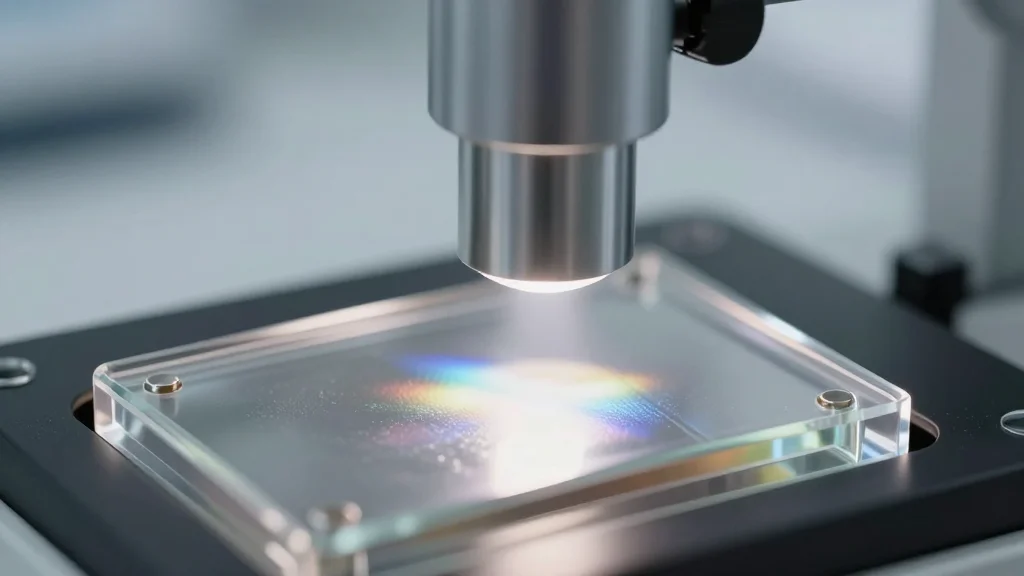
Operando spectroscopic ellipsometry, a classic optical technique, has been adapted to function under operando conditions, allowing scientists to watch material loss as it happens. By measuring subtle changes in layer thickness—down to a few nanometers—across the full electrode surface, the method delivers unprecedented temporal and spatial resolution. This capability fills a critical gap in photoelectrochemical research, where degradation has traditionally been inferred from post‑mortem analysis, obscuring the dynamics that drive performance loss.
The research team applied the technique to ultrathin titanium‑dioxide films, a workhorse material in solar‑driven hydrogen and fuel‑production cells. Their data showed that disordered, amorphous TiO2 corrodes roughly fourteen times faster than well‑ordered, crystalline structures, confirming that charge‑transport efficiency directly influences durability. Such quantitative insights enable engineers to prioritize crystal quality, surface passivation, or alternative coatings, ultimately extending device lifetimes and reducing material consumption—a key economic lever for scaling solar‑fuel technologies.
Beyond TiO2, the method’s versatility promises broader impact across the photoelectrochemical and electrocatalytic sectors. Manufacturers can integrate real‑time monitoring into pilot plants to flag early‑stage degradation, optimizing maintenance schedules and lowering operational expenses. For investors and policymakers, the ability to demonstrate tangible stability improvements strengthens the business case for renewable‑fuel infrastructure, accelerating the transition toward carbon‑neutral energy systems. As the industry moves from laboratory prototypes to commercial scale, operando ellipsometry could become a standard diagnostic tool, driving faster innovation cycles and more reliable clean‑energy solutions.
Understanding material degradation in solar cells
Comments
Want to join the conversation?