Key Takeaways
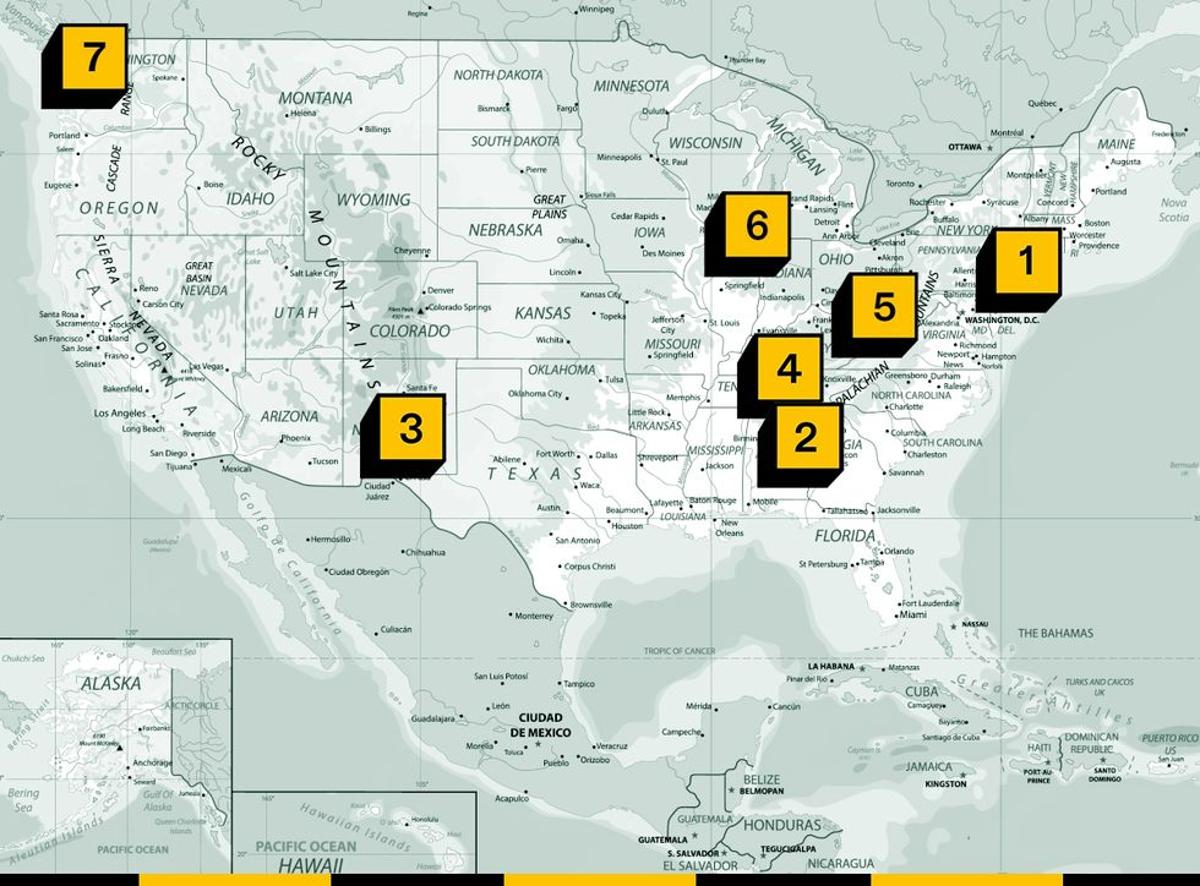
- •NJ ends PJM transmission pact as offshore wind projects stall
- •Alabama Senate limits solar ban to two counties, effectively halting statewide moratorium
- •FERC opposes Green Chile pipeline lacking historic preservation documentation
- •Beacon Center sues Tennessee over data‑center ban, citing equal‑protection claim
- •Seattle mayor considers data‑center moratorium amid early‑stage development
Pulse Analysis
Regulatory setbacks in New Jersey and Alabama illustrate the delicate balance between ambitious clean‑energy goals and on‑the‑ground feasibility. New Jersey’s cancellation of the PJM transmission deal reflects a broader slowdown in offshore wind development, exacerbated by lingering policy uncertainty at the federal level. Without the necessary transmission infrastructure, the state risks missing its renewable‑energy targets and may see higher reliance on fossil‑fuel generation as demand rises.
In the Deep South, Alabama’s legislative maneuver to confine a solar‑farm ban to two counties signals a pragmatic retreat from a sweeping anti‑renewable stance. The amendment, driven by concerns over a Meta‑backed project, effectively preserves most of the state’s solar pipeline, preserving jobs and tax revenue while still addressing localized opposition. This nuanced approach may serve as a template for other states grappling with community pushback against large‑scale solar.
Beyond renewables, the article highlights a cascade of legal and regulatory challenges surrounding data‑center and crypto‑mining power use. FERC’s objection to the Green Chile pipeline over historic‑preservation gaps, the Beacon Center’s equal‑protection lawsuit in Tennessee, and Seattle’s prospective data‑center moratorium all point to a growing tension between high‑energy tech projects and local environmental or equity concerns. As data centers become critical infrastructure for AI and cloud services, consistent, transparent policy frameworks will be essential to reconcile grid capacity, climate goals, and community interests.
Wind Dies in New Jersey, Solar Lives in Alabama
Comments
Want to join the conversation?