Seed
212 NexT Invests in Advanced Chemistry Startup Aepnus
•February 17, 2026
0
Participants
Why It Matters
By localising essential chemical manufacturing, Aepnus can lower costs, reduce hazardous emissions, and bolster industrial resilience in Turkey and beyond.
Key Takeaways
- •Aepnus raises pre‑Series A from 212 NexT.
- •Modular electrochemical process eliminates chlorine by‑product.
- •Targets on‑site caustic soda, sulfuric acid production.
- •Reduces Turkey's $150M annual caustic soda import cost.
- •Supports green transformation and industrial competitiveness.
Pulse Analysis
The infusion of capital from 212 NexT underscores a growing appetite for deep‑tech solutions that address entrenched inefficiencies in the chemicals sector. Traditional chlor‑alkali processes are energy‑intensive and generate hazardous chlorine gas, driving up operational costs and regulatory burdens. Aepnus’ modular electrochemical platform sidesteps these challenges by delivering a scalable, chlorine‑free pathway to produce caustic soda and sulfuric acid, two linchpin chemicals for battery manufacturing, paper production, and critical‑metal processing. This shift not only cuts carbon footprints but also offers a more predictable cost structure for end‑users.
For Turkey, the strategic implications are pronounced. The nation currently spends over $150 million each year importing caustic soda, a figure that strains trade balances and exposes manufacturers to volatile global pricing. By enabling on‑site production, Aepnus can dramatically improve supply security and reduce reliance on imports, aligning with national goals for industrial self‑sufficiency and green transformation. The involvement of 212 NexT, backed by industry players like Akkök Group, provides both financial muscle and sector expertise to accelerate commercialization across multiple markets.
Looking ahead, the broader market potential extends beyond Turkey. As industries worldwide grapple with tightening environmental regulations and rising energy costs, demand for low‑carbon, modular chemical production is set to surge. Aepnus’ technology, with its ability to scale from pilot to industrial volumes, positions the company to capture a share of the global market for sustainable chemical manufacturing. Continued investment will likely focus on expanding the product portfolio, forging strategic partnerships, and navigating regulatory pathways, all of which are critical to achieving long‑term commercial success.
Deal Summary
Turkish deep‑tech fund 212 NexT participated in a pre‑Series A funding round for Aepnus, a US‑based startup developing a modular, chlorine‑free electrochemical process for chemicals such as caustic soda and sulfuric acid. The investment will support further development, global scaling, and team expansion, aiming to lower‑carbon manufacturing across the chemicals industry.
Article
Source: Tech.eu
Turkish deep-tech fund 212 NexT, focused on advanced materials and industrial technologies, has participated in Aepnus’ pre-Series A funding round.
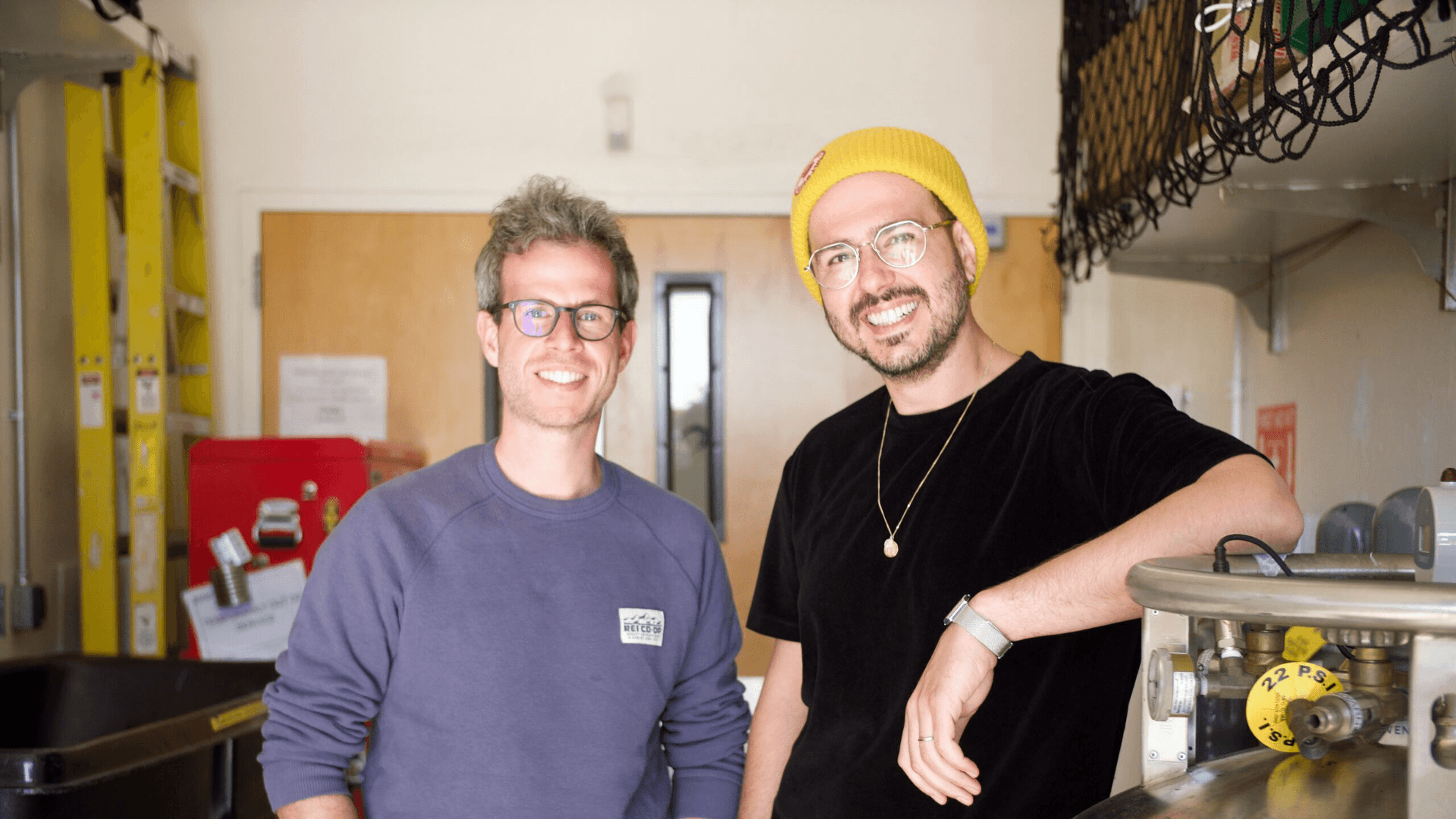
Founded by Lukas Hackl and Bilen Akuzum and headquartered in the US, with additional operations in Canada and Germany, Aepnus is developing a modular alternative to conventional energy-intensive production methods. The company’s technology is designed to enable lower-carbon manufacturing while reducing hazardous by-products such as chlorine gas, with applications across the chemicals industry, heavy manufacturing, and critical mineral processing.
Dr Bilen Aküzüm, co-founder and CTO of Aepnus, said the company is developing a new electrochemical production model aimed at enabling the localised manufacturing of essential industrial chemicals that are challenging to produce using conventional methods. Explaining the company’s focus, Aküzüm said:
Today, Turkey alone spends more than $150 million annually on caustic soda imports. Our approach strengthens supply security by enabling safe, on-site and lower-carbon production of these critical inputs.
The platform we are developing offers a more economical and scalable pathway for producing caustic soda and sulfuric acid – chemicals widely used across battery manufacturing, paper, textiles, heavy industry and in the processing of critical metals.
With 212 NexT’s support, we are focused on accelerating global commercialisation.
Commenting on the investment, Çağlar Urcan, Managing Partner at 212 NexT, said that Aepnus is addressing structural challenges in the production of essential chemicals such as caustic soda, which are increasingly affected by supply constraints and cost volatility.
The company’s modular, chlorine-free electrochemical process offers a commercially viable and more sustainable alternative to conventional production methods. By enabling competitive on-site manufacturing while eliminating hazardous chlorine gas by-products, Aepnus combines clear economic value with industrial scalability.
This positioning is particularly compelling given the industrial depth of our investor base, including Akkök Group, a significant Turkish player in the chlor-alkali and speciality chemicals value chain.
Emphasising Aepnus’ strategic relevance for Turkey, Urcan added that localising advanced production technologies for key chemicals such as caustic soda and sulfuric acid could strengthen supply security, support industrial competitiveness, and contribute to green transformation goals.
He also said that 212 NexT focuses on technologies with strong technical foundations, industrial-scale potential, and long-term strategic value, noting that Aepnus aligns with this investment approach.
The investment will support further development and global scaling of the company’s platform, including team expansion, progress across multiple markets, and the strengthening of industrial partnerships.
0
Comments
Want to join the conversation?
Loading comments...