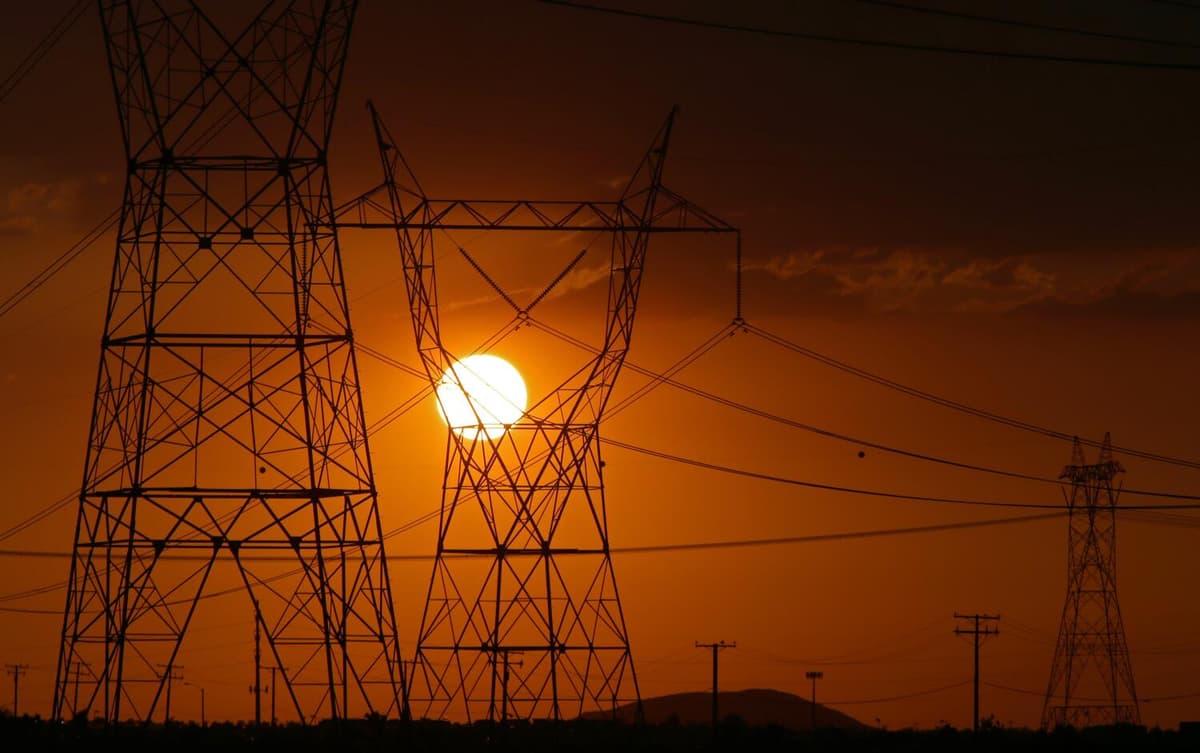
200,000 Californians Help the Grid Out in Tough Times and Get Paid for It. Now That's up in the Air
Why It Matters
The program’s continuation could keep billions of dollars of clean capacity off the grid and protect ratepayers from higher, carbon‑intensive electricity costs. Its loss would undermine California’s climate‑targeted demand‑response strategy and the emerging virtual power‑plant model.
Key Takeaways
- •Program generated >1 GW of clean capacity during peak demand
- •Households receive $300 annual credit for participating
- •Funding could end after 2026, shifting to CPUC scheme
- •CPUC program has higher admin costs, lower energy output
- •Extending program to 2028 could save grid $206 million
Pulse Analysis
Demand‑response initiatives like California’s Demand‑Side Grid Management program turn distributed resources—smart thermostats, EV chargers, and solar‑linked batteries—into a coordinated virtual power plant. By aggregating more than 200,000 homes, the scheme can inject a gigawatt of clean electricity precisely when the grid is most strained, displacing costly natural‑gas peaker plants and reducing emissions. Participants receive modest credits, creating a win‑win for consumers and the broader system, while the state meets its aggressive climate goals.
The political crossroads emerges from budget pressures. Governor Newsom’s proposal to cease state funding after 2026 and hand the load to the California Public Utilities Commission threatens to dilute the program’s effectiveness. The CPUC‑run alternative has historically incurred higher administrative overhead and delivered a fraction of the capacity, raising concerns among environmental advocates and legislators. Lawmakers are weighing the fiscal reality of limited appropriations against the proven performance of the existing model, with several urging the reallocation of unspent school‑air‑conditioning funds to keep the demand‑response effort alive.
If extended to 2028, the program could save the grid an estimated $206 million, even after accounting for participant payments, according to a Sunrun‑Tesla study. Maintaining the virtual power plant would also preserve a scalable template for other states seeking to harness distributed energy resources. As the July budget finalization approaches, the outcome will signal whether California prioritizes short‑term budget relief or long‑term climate resilience and grid reliability.
200,000 Californians help the grid out in tough times and get paid for it. Now that's up in the air
Comments
Want to join the conversation?
Loading comments...