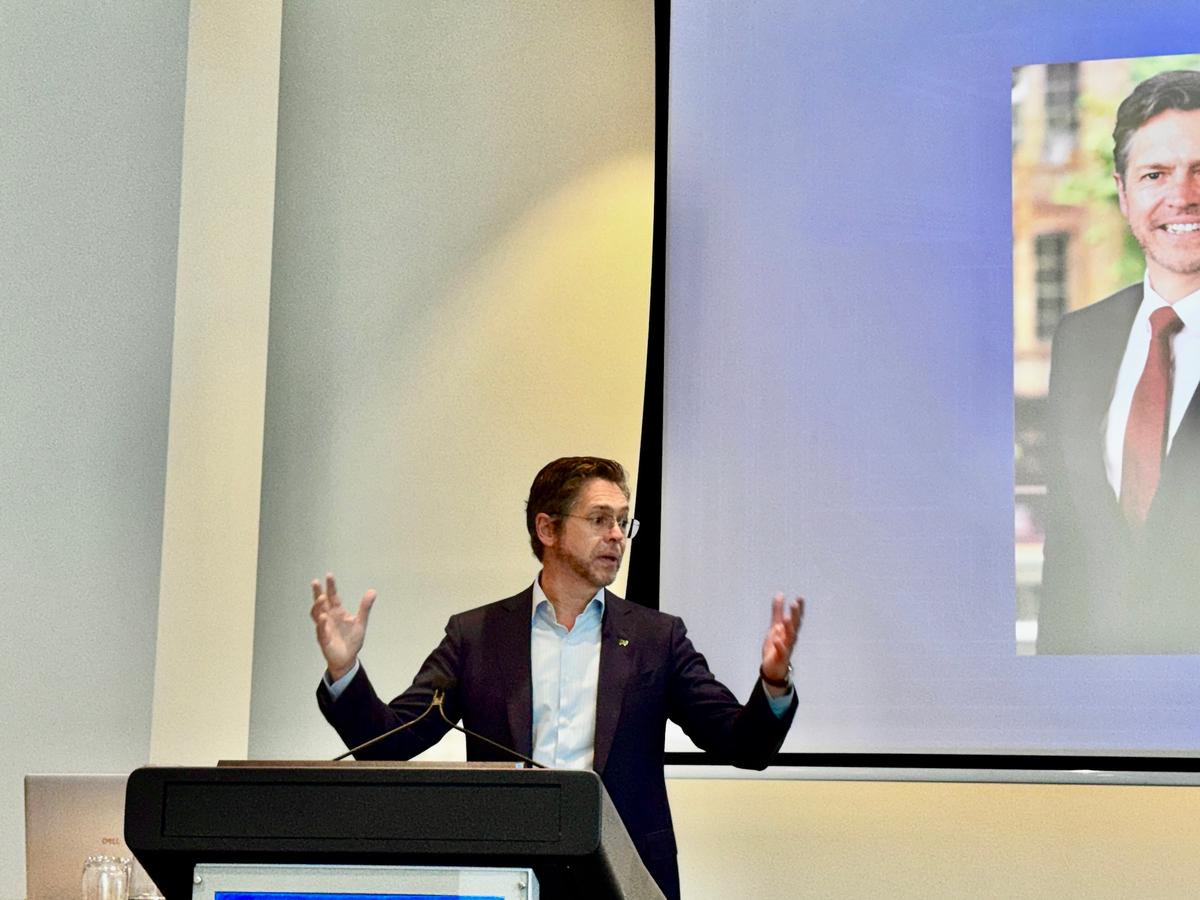
$5 Million to Electrify the City of Melbourne Buildings and Pools, Plus some Ambitious Targets – Lord Mayor Nick Reece
Key Takeaways
- •City allocates $5 million to electrify buildings and pools.
- •Goal: 80 office retrofits annually; currently only seven completed.
- •HVAC systems represent ~40% of building energy use in Melbourne.
- •NatHERS rating saved roughly $660 million in energy costs.
- •C376 plan adds green roofs, walls, and a performance tracking tool.
Pulse Analysis
Melbourne’s $5 million electrification push reflects a growing consensus that decarbonising the built environment is essential for meeting net‑zero commitments. By targeting HVAC upgrades—responsible for nearly half of a building’s energy demand—the city aims to slash operational emissions while leveraging proven tools like NatHERS, which has already delivered an estimated $660 million in energy‑cost reductions across Australia. This financial commitment signals to developers and property owners that the transition from gas to electric heat pumps and reverse‑cycle air‑conditioning is no longer optional but a strategic priority.
Achieving the ambitious target of 80 office‑building retrofits per year will require more than funding; it hinges on policy design and market incentives. The C376 framework, introduced by the City of Melbourne, blends regulatory mandates with benefits such as expedited planning approvals and tax rebates, encouraging owners to adopt green roofs, living walls, and advanced performance‑tracking dashboards. By aligning the planning system with sustainability outcomes, the city hopes to close the gap between the current seven annual retrofits and the desired pace, fostering a competitive market for low‑carbon construction services.
Beyond environmental gains, the electrification agenda promises substantial economic upside. Retrofitting projects generate skilled trades jobs, stimulate demand for local manufacturers of heat‑pump technology, and reduce long‑term energy expenses for tenants. Melbourne’s approach also positions the city as a benchmark for other Australian municipalities grappling with similar density challenges. As more cities adopt comparable financing and regulatory models, the collective impact could accelerate Australia’s transition to a low‑carbon economy, delivering both climate resilience and economic growth.
$5 million to electrify the City of Melbourne buildings and pools, plus some ambitious targets – Lord Mayor Nick Reece
Comments
Want to join the conversation?