A Church’s Geothermal Experiment Could Pave the Way for Projects Across New York
Why It Matters
Geothermal retrofits provide a tangible path for NYC buildings to comply with tightening emissions regulations while delivering long‑term energy savings.
Key Takeaways
- •Church spent $4.4 M, $418 k net after incentives.
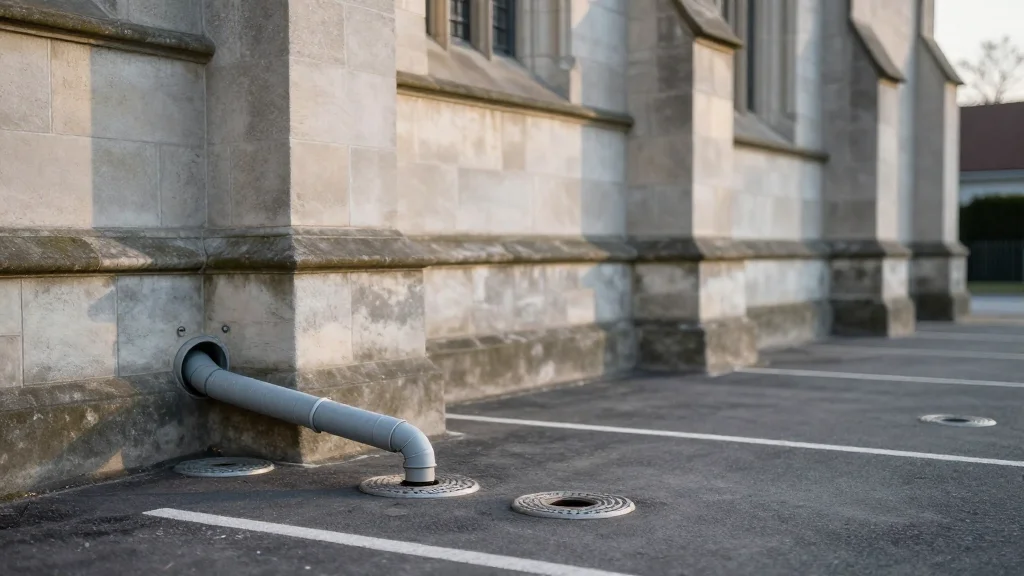
- •14 boreholes drilled into hard rock beneath parking lot.
- •System cuts natural‑gas heating, lowering building emissions.
- •Local Laws 97/154 drive geothermal adoption in NYC.
- •Energy‑as‑a‑service model emerging for commercial projects.
Pulse Analysis
New York’s aggressive climate agenda, anchored by Local Law 97’s emissions caps and Law 154’s gas‑phaseout, forces building owners to seek low‑carbon heating solutions. Geothermal heat‑pump systems, which tap the earth’s stable temperature, have emerged as a compelling option for large‑scale retrofits. The Christ Church Bronxville project illustrates how a historic, century‑old structure can integrate a modern, renewable system, delivering both comfort and compliance while setting a precedent for other institutions facing similar regulatory pressure.
Deploying geothermal in a dense metropolis presents unique engineering and permitting hurdles. Drilling boreholes through hard rock, navigating subway tunnels, water mains, and contaminated sites requires meticulous site surveys and coordination with city agencies. In Bronxville, engineers located 14 angled boreholes within a limited parking area, avoiding underground utilities and complying with the Department of Environmental Protection’s 200‑foot buffer rule. Financially, the $4.4 million outlay was softened by a $876,000 utility incentive, $1.4 million federal rebate, and tax credits, leaving roughly $418,000 to be financed over several years—a cost structure that many commercial owners find increasingly viable.
Beyond direct rebates, the market is shifting toward energy‑as‑a‑service (EaaS) arrangements, where third‑party providers fund installation and recoup costs through long‑term energy savings. This model reduces upfront risk and aligns with investors’ sustainability goals. As New York’s Public Service Commission mandates more pilot geothermal projects, the combination of policy support, innovative financing, and proven technical success—exemplified by Christ Church—suggests a scalable pathway for the city’s building stock to achieve deep decarbonization.
A Church’s Geothermal Experiment Could Pave the Way for Projects Across New York
Comments
Want to join the conversation?
Loading comments...