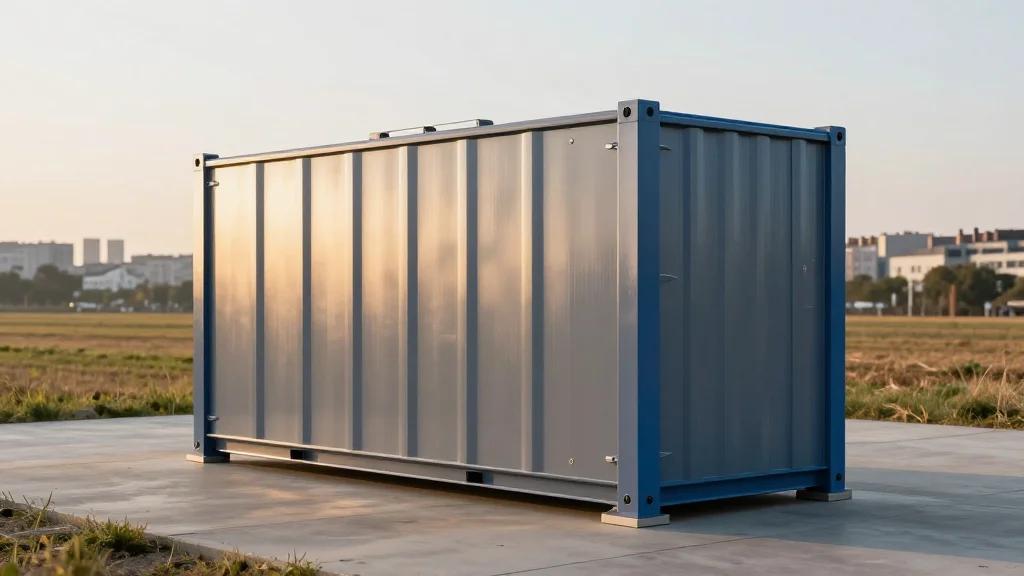
AccelerateEU Backs 200 GW Storage Goal but Omits Dedicated Mechanism
Why It Matters
Without a clear funding instrument, the EU risks missing its storage ambition, undermining energy‑security and decarbonisation objectives. A dedicated ETS‑backed auction could unlock the scale of investment needed to close the gap.
Key Takeaways
- •AccelerateEU sets 200 GW storage target for 2030, no dedicated funding.
- •SolarPower Europe urges EU‑wide auction financed by ETS revenues.
- •Current EU schemes cover only 11 of 27 states, ~70 GWh total.
- •Medium scenario projects ~160 GW storage by 2030, short of target.
- •€30 bn ETS Investment Booster could fund battery‑storage auction.
Pulse Analysis
AccelerateEU, the European Commission’s latest energy‑crisis response, marks a bold shift by targeting 200 GW of battery storage by 2030 – a three‑fold increase from today’s 55 GW. The plan positions batteries as a cornerstone of the bloc’s flexibility strategy, aiming to cushion markets from price spikes and integrate more renewables. Yet the package stops short of prescribing how the massive capacity will be financed, leaving a critical policy vacuum that could stall deployment.
SolarPower Europe, the industry’s leading lobby, argues that the missing piece is a dedicated procurement tool funded by the EU’s Emissions Trading System. By allocating part of the €30 bn ($35.1 bn) ETS Investment Booster to an EU‑wide auction, the association believes the market could attract the capital needed for large‑scale projects. The current landscape is fragmented: only 11 of 27 member states run active utility‑scale storage schemes, collectively delivering just 70 GWh. Moreover, the EU’s Electricity Market Design offers flexibility support on a voluntary basis, providing no binding obligations for states to meet the storage target.
If policymakers adopt an ETS‑backed auction, the implications are profound. Investors would gain certainty, spurring a wave of private‑sector financing and accelerating supply‑chain development across Europe. Achieving the 200 GW goal would bolster grid resilience, lower reliance on fossil peakers, and help the EU meet its 2030 climate commitments. Conversely, continued reliance on ad‑hoc national schemes could leave the bloc lagging behind global competitors, risking energy‑security shortfalls as demand for flexible storage intensifies.
AccelerateEU backs 200 GW storage goal but omits dedicated mechanism
Comments
Want to join the conversation?
Loading comments...