Companies Mentioned
Why It Matters
The surge in renewables reshapes Africa’s energy security and climate trajectory, but financing gaps could stall progress. The advancing oil pipeline underscores the continent’s competing energy pathways and the urgency of policy choices.
Key Takeaways
- •Africa added 11.3 GW renewable capacity in 2025, tripling growth.
- •Renewable projects accounted for 79% of 322 announced energy projects.
- •Solar installations lead with 173 new projects across the continent.
- •Borrowing costs for African renewables are up to three times higher.
- •East African Crude Oil Pipeline nears completion despite environmental opposition.
Pulse Analysis
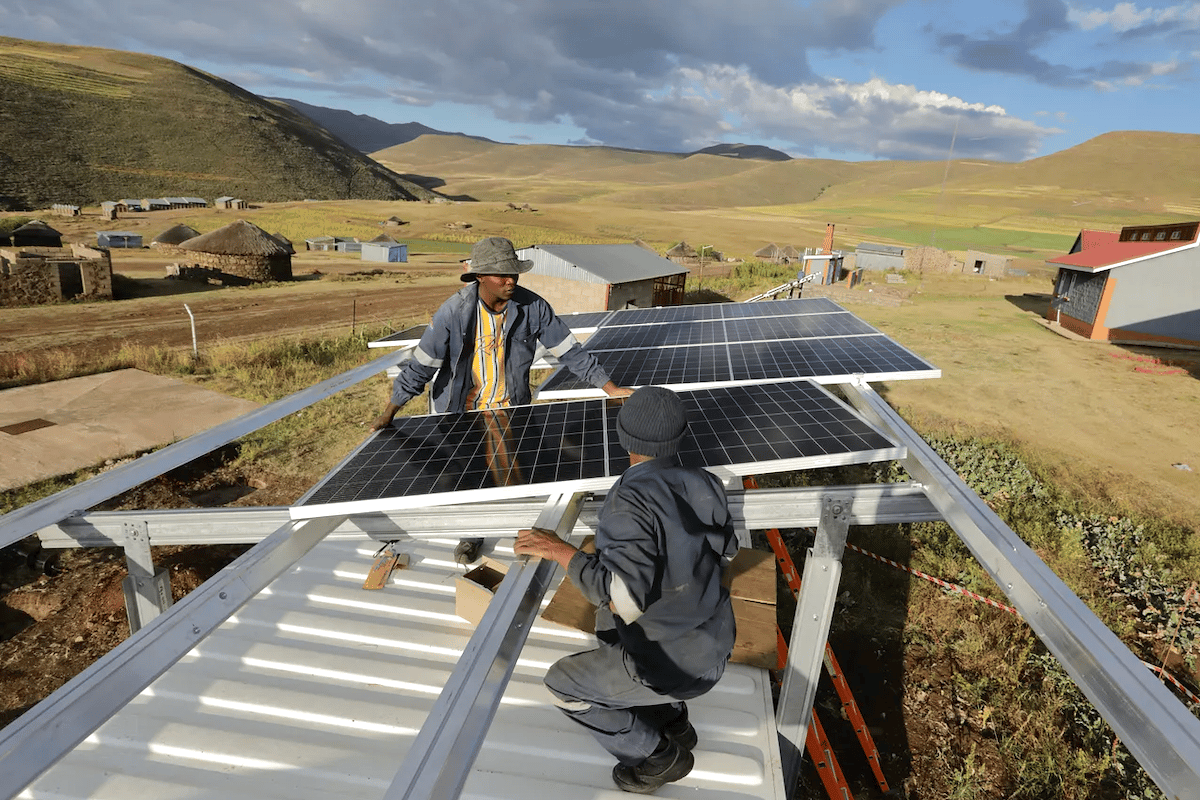
Africa’s renewable surge is reshaping the global energy map. In 2025 the continent added 11.3 GW of clean capacity, a three‑fold jump from the previous year, driven by abundant solar irradiance and declining battery prices. This rapid build‑out positions Africa at the heart of the worldwide transition, attracting climate‑finance actors and signaling a shift away from legacy fossil‑fuel dependence. The momentum is reflected in the 322 energy projects announced last year, where renewables comprised nearly four‑fifths of the pipeline, underscoring a decisive market tilt.
Yet the transition is not without friction. African developers confront borrowing costs up to three times higher than peers in Europe or North America, a premium rooted in perceived political and macro‑economic risk. Climate‑finance institutions, such as FSD Kenya, are stepping in to bridge the gap, but the scale of required capital outpaces current supply. The challenge now lies in structuring bankable projects that align with local policy, mitigate risk, and unlock private‑sector investment, ensuring that the economics of solar and storage can translate into reliable, affordable power for growing populations.
The continent’s clean‑energy narrative coexists with a stubborn fossil‑fuel undercurrent, exemplified by the East African Crude Oil Pipeline (EACOP). Nearing completion despite intense environmental opposition, the 900‑mile conduit illustrates how oil interests remain entrenched, threatening water resources and biodiversity. This juxtaposition highlights a pivotal crossroads: whether Africa will double down on renewables to meet its soaring demand, or allow legacy hydrocarbons to dilute climate gains. Policymakers, financiers, and civil society must align to prioritize low‑carbon infrastructure, lest the continent’s renewable gains be offset by new fossil‑fuel emissions.
Africa Is Embracing Renewable Energy
Comments
Want to join the conversation?
Loading comments...