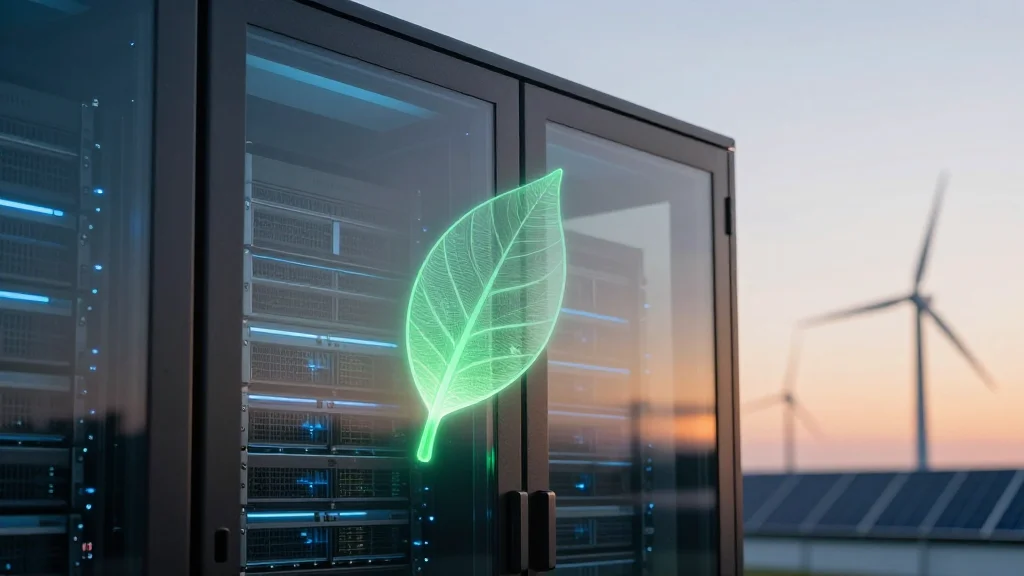
AI Compute Surge Threatens Power Grids, Spurs Push for Sustainable Data Centers in Asia‑Pacific

Why It Matters
The convergence of AI compute growth and energy scarcity threatens to undermine climate goals across the Asia‑Pacific, a region already committed to aggressive decarbonization. If unchecked, the surge in power demand could lock new data‑center capacity into fossil‑fuel grids, eroding the environmental benefits of AI‑driven efficiencies in other sectors. Conversely, the crisis is catalyzing a wave of innovation in low‑carbon hardware, renewable‑powered data centers, and policy frameworks that could set a global benchmark. Success in the region would demonstrate a scalable model for aligning rapid AI advancement with climate imperatives, influencing investment decisions and regulatory approaches worldwide.
Key Takeaways
- •AI compute demand is outpacing power grid capacity in the Asia‑Pacific, especially Southeast Asia.
- •Approximately 60% of data‑center electricity consumption in the region still comes from non‑renewable sources.
- •Governments are drafting AI‑specific carbon‑footprint reporting guidelines and renewable‑energy targets for 2030.
- •Tech firms are piloting green‑data‑center solutions, including on‑site solar, battery storage, and advanced cooling technologies.
- •Investors are increasingly evaluating AI startups on energy‑efficiency metrics alongside algorithmic performance.
Pulse Analysis
The AI energy crunch is reshaping the competitive landscape in a way that mirrors earlier shifts in semiconductor manufacturing. Historically, firms that secured early access to advanced fabs gained a decisive edge; today, access to clean, reliable power is becoming the new moat. Companies that embed energy‑efficiency into their core AI stack can lower total cost of ownership, attract sustainability‑focused customers, and sidestep emerging carbon‑pricing mechanisms.
From a market perspective, the pressure on power grids is likely to accelerate consolidation among data‑center operators. Those with the capital to retrofit facilities with renewable sources or to locate near abundant green energy will acquire a pricing advantage, forcing smaller players either to partner, relocate, or risk higher operational costs. This dynamic could also spur a wave of cross‑industry collaborations, as utilities, cloud providers, and AI developers co‑invest in micro‑grid solutions tailored for high‑density compute.
Looking ahead, the region’s policy response will be a decisive factor. If regulators move quickly to enforce transparent carbon reporting and incentivize green infrastructure, the AI sector could become a catalyst for broader energy transition. Delays, however, risk entrenching fossil‑fuel dependence and creating a bifurcated AI ecosystem—one where high‑performance services thrive only in energy‑rich locales, while other markets lag behind. The next quarter will reveal whether the current surge in sustainable‑tech investment can keep pace with AI’s relentless appetite.
AI Compute Surge Threatens Power Grids, Spurs Push for Sustainable Data Centers in Asia‑Pacific
Comments
Want to join the conversation?
Loading comments...