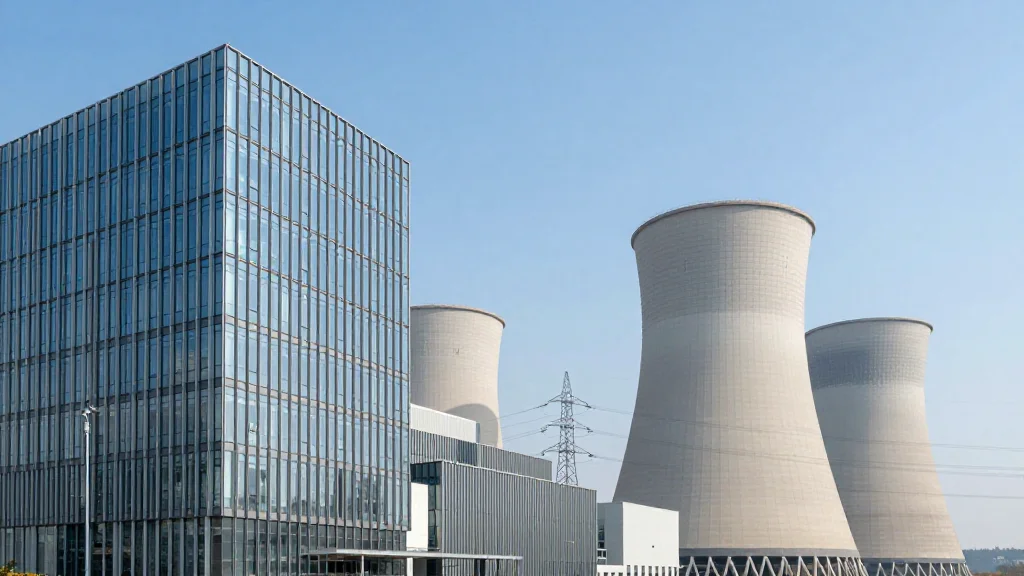
AI Compute Surge Triggers Global Nuclear Power Boom, 12 GW Added in 2025

Why It Matters
The surge in AI compute creates a new, predictable demand for large‑scale, carbon‑free electricity, positioning nuclear power as a strategic asset for meeting climate goals while ensuring grid reliability. By highlighting the limitations of intermittent renewables, the report forces policymakers and investors to reconsider the energy mix needed for a digital, decarbonised economy. Moreover, the geopolitical backdrop underscores nuclear’s role in reducing dependence on volatile fossil‑fuel imports, a factor that could reshape energy security strategies worldwide. If nuclear capacity expands as projected, it could provide the stable baseload required for AI‑intensive industries, from autonomous vehicles to advanced scientific modeling, while delivering low‑carbon emissions. This alignment could accelerate net‑zero pathways for both developed and emerging economies, especially those like India that are scaling AI infrastructure alongside rapid industrialisation.
Key Takeaways
- •AI data centres may need 1,600 TWh of electricity by 2034, according to Deven Choksey Research.
- •Over 12 GW of new nuclear capacity entered construction globally in 2025, a record year.
- •Nuclear plants operate at ~92 % capacity factor, far above wind and solar intermittency.
- •Nearly 40 countries have pledged to triple nuclear capacity by 2050.
- •EU Commission declared nuclear "vital to EU energy security" in 2026.
Pulse Analysis
The AI‑driven electricity surge is reshaping the traditional clean‑energy hierarchy. Historically, renewables have been championed as the primary decarbonisation tool, but their reliance on storage and grid balancing has become a bottleneck for high‑intensity compute workloads. Nuclear’s near‑continuous output offers a pragmatic bridge, delivering the firm capacity that AI clusters demand without the carbon penalty of fossil fuels. This dynamic mirrors the early 2000s when natural gas was touted as a transition fuel; today, nuclear is re‑emerging as the ‘transition backbone’ for a data‑centric economy.
Financial markets are already reflecting this shift. Venture capital that once flooded battery‑storage startups is now seeing increased allocations to SMR developers and advanced reactor designs. The policy environment, especially in Europe, is moving from a historically anti‑nuclear stance to a more pragmatic acceptance, as evidenced by the EU’s 2026 declaration. This policy pivot reduces regulatory uncertainty, unlocking financing for projects that were previously stalled.
Looking forward, the real test will be execution. The industry must deliver on construction timelines, manage cost overruns, and integrate advanced digital controls that allow nuclear plants to respond dynamically to AI‑driven grid signals. If successful, nuclear could become the linchpin that reconciles AI’s exponential growth with global climate commitments, cementing its place in the next era of low‑carbon infrastructure.
AI Compute Surge Triggers Global Nuclear Power Boom, 12 GW Added in 2025
Comments
Want to join the conversation?
Loading comments...