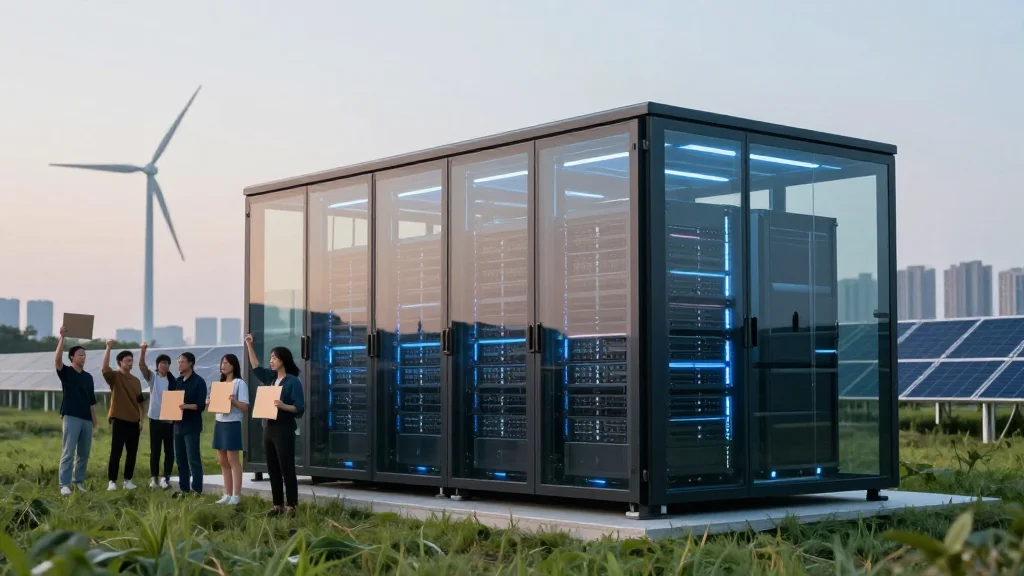
AI Data Center Protests Surge as Energy Use Sparks Climate Backlash

Companies Mentioned
Why It Matters
The clash over AI data centers sits at the intersection of two of the 21st century’s most pressing challenges: the exponential growth of artificial intelligence and the urgent need to curb greenhouse‑gas emissions. If unchecked, AI‑driven compute could become a hidden driver of electricity demand, undermining national decarbonization targets and exacerbating climate risk. Conversely, a regulated rollout that ties AI expansion to clean‑energy commitments could set a precedent for aligning high‑tech growth with climate goals. Beyond emissions, the protests highlight a broader democratic question: who gets to decide the placement of energy‑intensive infrastructure? Community groups are demanding a seat at the table, arguing that local air quality, water use, and grid reliability are being sacrificed for distant corporate profits. The outcome will influence future infrastructure siting practices across sectors, from data centers to electric‑vehicle charging networks.
Key Takeaways
- •Community opposition forced Kevin O'Leary to cut the Stratos Utah data‑center footprint by 75%
- •Data Center Watch recorded 48 AI‑focused projects blocked or delayed in 2025
- •New York legislators placed a one‑year moratorium on new data‑center permits
- •AI workloads could add up to 10% to U.S. electricity demand by 2030, per EIA
- •Only 10% of Americans say they are "thrilled" about AI's future, according to a March Pew poll
Pulse Analysis
The current wave of protests marks a turning point for the AI infrastructure market, which has long operated under the assumption that demand would outpace any regulatory friction. Historically, data‑center siting has been driven by cheap land and tax incentives, with little regard for local environmental impact. The emergence of AI‑specific compute, however, introduces a new variable: the sheer scale of power required to train large models. This creates a natural alignment with climate‑activist agendas, which are now leveraging the same community‑organizing tactics that have succeeded against fossil‑fuel projects.
Investors must reassess risk models. Capital allocated to AI‑centric facilities now carries an added layer of political and regulatory uncertainty. Companies that can demonstrate a credible pathway to renewable‑energy sourcing—such as on‑site solar, long‑term PPAs, or participation in emerging carbon‑offset markets—will likely secure a competitive edge. Conversely, firms that continue to locate in coal‑dependent regions may face escalating opposition, potential legal challenges, and higher financing costs.
Policy makers have an opportunity to shape the industry’s trajectory. A well‑crafted moratorium, paired with clear guidelines for renewable‑energy integration, could transform a contentious flashpoint into a catalyst for greener AI. By tying data‑center permits to verifiable emissions‑reduction targets, states can protect their grids while still attracting high‑value tech investment. The next legislative session will be critical: will lawmakers seize this moment to embed climate safeguards into the AI supply chain, or will they bow to industry pressure and risk a backlash that could stall both climate and technological progress?
AI Data Center Protests Surge as Energy Use Sparks Climate Backlash
Comments
Want to join the conversation?
Loading comments...