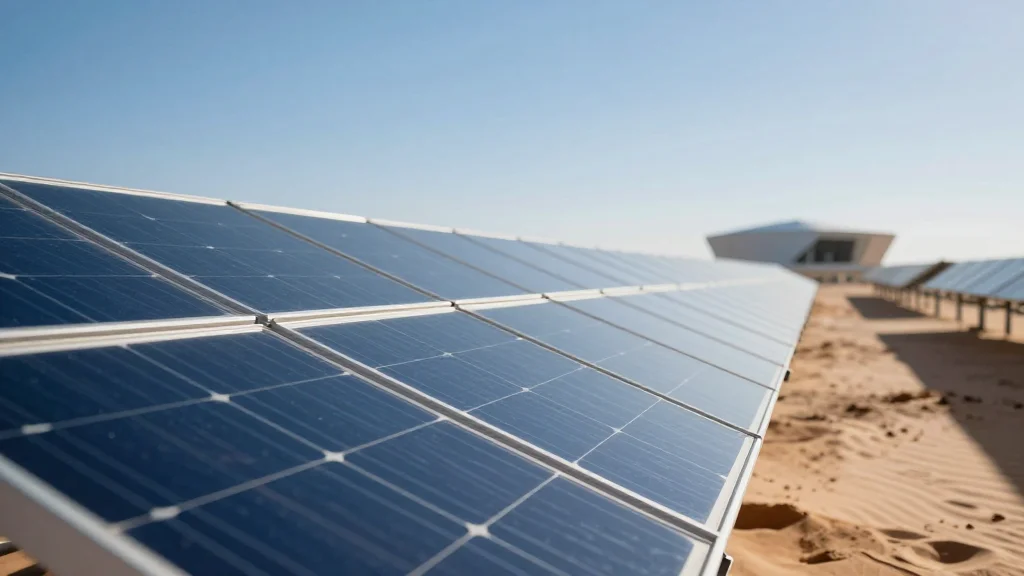
Algeria Commissions 1.48 GW of Solar to Power Its Data‑centre Cluster

Why It Matters
The 1.48 GW solar deployment directly tackles two bottlenecks that have constrained Algeria’s digital sector: unreliable, gas‑heavy power supply and the lack of renewable‑backed electricity contracts. By providing a stable, low‑cost renewable feed, the project enables data‑centre operators to reduce reliance on diesel generators, cut carbon footprints, and offer greener services to clients—a competitive advantage in a market increasingly demanding sustainability. Beyond Algeria, the initiative serves as a template for other African nations seeking to couple renewable energy expansion with digital infrastructure growth. If the SCADA upgrade and PPA framework prove effective, they could catalyse a wave of similar projects across the continent, accelerating both decarbonisation and the development of a resilient, locally powered data‑centre ecosystem.
Key Takeaways
- •Algeria commissions nine PV plants totaling 1.48 GW by Aug 2026 for data‑centre power.
- •Renewable share rises to ~2 % of 23.8 GW national capacity, easing gas curtailment.
- •Industrial tariff of DZD 3,000/MWh (~$20/USD) may be undercut by renewable PPAs.
- •SCADA grid upgrade slated for 2026 will improve stability and reduce diesel backup.
- •First data‑centre PPAs expected in H2 2026, opening green‑energy market in North Africa.
Pulse Analysis
Algeria’s solar rollout is a strategic lever that aligns energy policy with the country’s digital ambitions. Historically, the nation’s data‑centre market has been hamstrung by a monolithic, gas‑centric grid and a tariff structure that discouraged private investment in demand‑side management. By injecting 1.48 GW of solar, the government not only diversifies the generation mix but also creates a tangible asset that can be monetised through PPAs—a financing model that has unlocked renewable capacity in Europe and the United States. The shift will likely compress the cost gap between Algeria’s subsidised electricity and market‑based renewable rates, making green power financially attractive for data‑centre operators.
The SCADA upgrade is equally pivotal. Grid operators in mature markets rely on real‑time data and automated controls to balance intermittent renewables; Algeria’s adoption of this technology positions Sonelgaz to manage higher renewable penetrations without compromising reliability. For data centres, fewer unplanned outages translate into lower operational expenditures and stronger service level agreements, which are critical for sectors like banking and government that dominate Algeria’s high‑density compute workloads.
Looking ahead, the success of this initiative could trigger a cascade of renewable‑backed digital infrastructure projects across Africa. Investors will watch the PPA negotiations closely; if they deliver pricing below the current DZD 3,000/MWh benchmark, the model could be replicated in neighboring markets where energy costs remain a barrier to data‑centre expansion. In that scenario, Algeria could emerge as a low‑cost, low‑carbon data‑hosting hub, attracting multinational tech firms and reinforcing the continent’s broader decarbonisation trajectory.
Algeria commissions 1.48 GW of solar to power its data‑centre cluster
Comments
Want to join the conversation?
Loading comments...