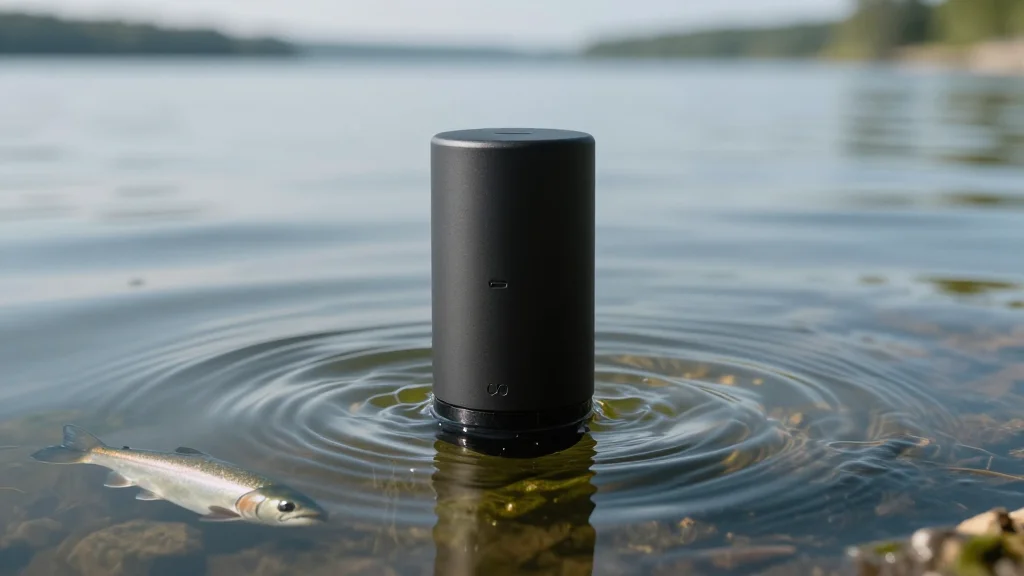
Arizona Deploys Ultrasonic Devices to Combat Golden Algae in Canyon Lake

Why It Matters
Golden‑algae blooms are a growing climate‑change symptom, threatening fish populations, recreational economies, and water‑quality standards. By demonstrating that ultrasonic waves can suppress these toxic microbes without chemicals, Arizona provides a template for other water‑resource managers facing similar pressures. The technology could reduce reliance on hazardous algicides, lower remediation costs, and preserve biodiversity in increasingly stressed freshwater systems. If adopted widely, acoustic control could become a cornerstone of integrated water‑management strategies, complementing habitat restoration, nutrient‑management, and climate‑adaptation policies. The trial also offers valuable data for researchers studying algal dynamics under shifting temperature and salinity regimes, helping to predict and pre‑empt future bloom events.
Key Takeaways
- •Arizona Game and Fish Department installed three ultrasonic boxes in Canyon Lake in February 2024.
- •The pilot runs through May 31, creating a toxin‑free refuge for fish during golden‑algae spikes.
- •Golden‑algae killed ~1,500 threadfin shad in March 2024; historically 34 million fish died in Texas, costing $14 million.
- •Ultrasonic waves damage algal cells, offering a non‑chemical alternative to traditional algicides.
- •Results due June 2024 could trigger expansion to Apache and Saguaro Lakes and attract clean‑tech investment.
Pulse Analysis
The Canyon Lake ultrasonic trial arrives at a moment when water managers are grappling with climate‑induced stressors that amplify harmful algal blooms. Traditional chemical controls, while effective in the short term, carry ecological trade‑offs and face tightening regulations. By leveraging physics rather than chemistry, Arizona is testing a solution that could sidestep these constraints and deliver a more sustainable, repeatable mitigation method.
Historically, the market for algal‑control technologies has been dominated by chemical manufacturers and, more recently, by companies offering biological treatments such as algicidal bacteria. The acoustic approach occupies a niche that has been largely experimental, with few commercial deployments. Success in Canyon Lake could catalyze a shift, encouraging venture capital to fund startups that specialize in underwater acoustics, sensor integration, and AI‑driven bloom prediction. Moreover, the data generated will likely inform federal grant programs aimed at climate‑resilient infrastructure, positioning the technology for public‑private partnership models.
Looking ahead, the key challenge will be scaling the system while maintaining efficacy across diverse water bodies with varying depths, flow rates, and algal species. If the June efficacy report shows a statistically significant reduction in toxin levels and fish mortality, the next logical step will be a multi‑site rollout across the Southwest, where water scarcity and heat waves are intensifying. Such expansion would not only protect local ecosystems but also create a new revenue stream for technology providers, potentially reshaping the economics of water‑quality management in a warming world.
Arizona Deploys Ultrasonic Devices to Combat Golden Algae in Canyon Lake
Comments
Want to join the conversation?
Loading comments...