Arizona Expert Says Data Centers Could Cut Footprint by Tapping Residential Power

Companies Mentioned
Why It Matters
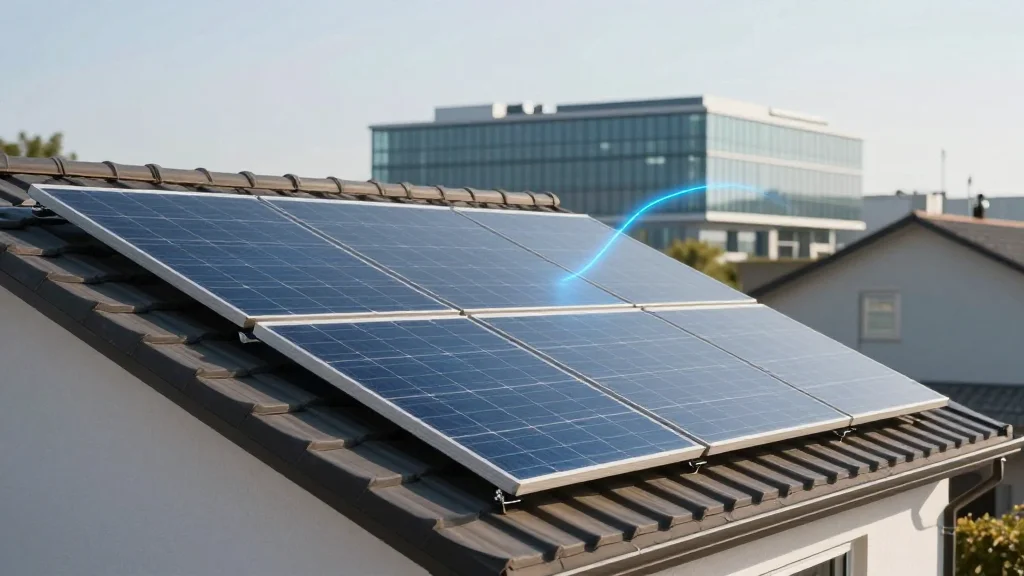
The proposed residential‑grid partnership directly tackles two climate‑tech challenges: the soaring electricity demand of AI workloads and the need for low‑carbon power sources. By shifting part of the load to distributed solar and storage, the model could reduce reliance on fossil‑fuel peaker plants, lower greenhouse‑gas emissions, and defer costly transmission upgrades. Moreover, it aligns with broader climate‑tech goals of decentralizing energy generation and empowering consumers to become active participants in the clean‑energy transition. If the approach proves scalable, it could reshape financing for data‑center projects worldwide, turning what is currently a net‑negative externality into a revenue stream for underserved households. This could accelerate equity‑focused climate investments while delivering the grid flexibility needed for the next generation of AI services.
Key Takeaways
- •Arizona utilities face ~30 GW of data‑center requests, far above the 10 GW capacity of Arizona Public Service.
- •Rewiring America proposes data‑center developers fund rooftop solar and battery upgrades for low‑income homes.
- •SpaceX has allocated $2.8 billion to on‑site gas turbines for its AI hubs, highlighting the cost of traditional supply‑side solutions.
- •A Gallup poll shows 70% of Americans oppose having a data center in their backyard.
- •Paul Hirt, former Salt River Project board member, argues past data‑center waves eventually adopted cleaner energy practices.
Pulse Analysis
The Arizona debate underscores a broader shift in climate‑tech financing: moving capital from centralized generation to distributed assets. Historically, data‑center developers have shouldered the bulk of infrastructure costs, often resulting in new fossil‑fuel plants that lock in emissions for decades. The rooftop model flips that paradigm, turning residential solar into a utility‑scale resource without the need for new transmission corridors.
From a market perspective, the model could unlock new revenue streams for data‑center operators, allowing them to monetize demand response and grid services. It also aligns with emerging ESG metrics that reward companies for reducing scope‑2 emissions. However, the success of such schemes hinges on regulatory frameworks that permit aggregation and fair compensation for residential contributors. States that streamline interconnection and rate‑design—like California’s recent net‑metering reforms—could become early adopters, while Arizona’s current rate‑case processes may slow rollout.
Looking ahead, the convergence of AI‑driven demand, falling solar‑plus‑storage costs, and heightened public scrutiny creates a narrow window for pilots to prove viability. If pilots demonstrate that distributed residential resources can reliably meet a meaningful share of data‑center loads, investors may re‑allocate capital from traditional peaker projects to community‑scale clean‑energy assets, accelerating the decarbonization of the digital economy.
Arizona Expert Says Data Centers Could Cut Footprint by Tapping Residential Power
Comments
Want to join the conversation?
Loading comments...