Armada Secures $230 Million Series B to Build Arizona Modular Data‑Center Factory

Companies Mentioned
Why It Matters
Armada’s $230 million Series B underscores a pivotal shift toward modular, energy‑flexible compute infrastructure, a trend that could reshape how AI workloads are powered worldwide. By allowing data centers to tap into existing renewable or waste‑heat sources, the model reduces reliance on new grid capacity and lowers the carbon intensity of AI training, directly addressing climate‑tech goals. The partnership with Johnson Controls brings deep expertise in building systems and a massive field workforce, accelerating deployment in sectors where traditional data centers are impractical. If successful, Armada’s approach could set a new standard for sustainable, rapid‑scale AI infrastructure, influencing policy, defense procurement, and private‑sector investment in climate‑smart technology.
Key Takeaways
- •Armada raised $230 million in a Series B round, valuing the company at $2 billion.
- •Johnson Controls invested and will co‑produce modular data centers at a 400,000‑sq ft Arizona factory.
- •The new plant, Galleon Forge One, is expected to create over 500 jobs and start producing Leviathan units this summer.
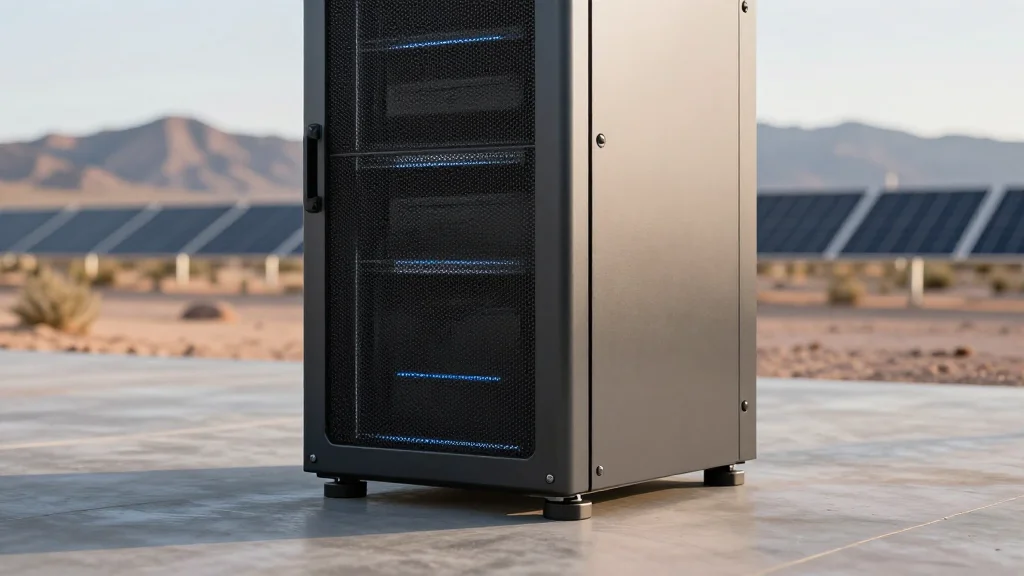
- •Leviathan modules are megawatt‑scale, can connect to solar or gas‑flare power, and deploy within days.
- •Armada’s customers include the U.S. Navy, Department of Energy’s Genesis Mission, and international partners in Australia and Norway.
Pulse Analysis
Armada’s capital raise arrives at a moment when the AI industry is grappling with a dual crisis: soaring compute demand and mounting pressure to decarbonize. Traditional hyperscale data centers, while efficient at scale, lock in massive energy consumption and require years of construction—luxuries the AI race cannot afford. Armada’s modular model sidesteps both constraints by delivering plug‑and‑play compute that can piggyback on existing, often underutilized, energy assets. This not only trims operational emissions but also democratizes AI capability for remote or frontier operations, from offshore rigs to naval vessels.
From a market perspective, the infusion of Johnson Controls’ manufacturing muscle signals a convergence of climate‑tech and industrial automation. Johnson Controls brings a legacy of HVAC and building management expertise, crucial for maintaining the thermal‑critical environments that high‑performance AI hardware demands. Their 40,000‑strong field force could become a distribution network for edge compute, effectively turning every serviced building into a potential AI node. This could erode the monopoly of cloud giants by creating a parallel ecosystem of localized, low‑latency compute hubs.
Looking forward, the real test will be scalability. The Arizona factory’s 500‑plus jobs are a modest start; replicating that footprint globally will require navigating supply‑chain constraints, regulatory approvals, and the economics of modular versus monolithic construction. If Armada can prove cost parity—or even a modest premium—while delivering measurable carbon savings, it could catalyze a broader industry pivot toward edge‑first, sustainable AI. Investors and policymakers will be watching closely, as the outcome may define the next wave of climate‑aligned digital infrastructure.
Armada Secures $230 Million Series B to Build Arizona Modular Data‑Center Factory
Comments
Want to join the conversation?
Loading comments...