As Energy Demand Rises, More States Turn to Virtual Power Plants
Companies Mentioned
Why It Matters
The moves signal that state policymakers see VPPs as a cost‑effective, low‑carbon tool for grid reliability, potentially reshaping utility investment and accelerating the transition away from fossil‑fuel peakers.
Key Takeaways
- •Massachusetts aims for 3.5 GW VPP capacity by 2035
- •New England peak demand is 26.1 GW, highlighting scale
- •Minnesota approves Xcel’s 200 MW neighborhood battery program
- •Consumer groups warn utility‑owned batteries may lack cost incentives
- •U.S. VPP projects total about 19 GW, nearing New England peak
Pulse Analysis
State-level policy is now the primary catalyst for virtual power plant (VPP) deployment. In Massachusetts, Governor Maura Healey’s March executive order obliges the Commonwealth to identify and develop 3.5 GW of demand‑management resources by 2035, a figure that translates to roughly one‑tenth of the region’s total peak load. By treating battery storage, electric‑vehicle charging management, and demand‑response programs as interchangeable VPP components, the order creates a flexible framework that utilities and aggregators can tap, potentially deferring billions in new peaker‑plant construction while improving affordability for ratepayers.
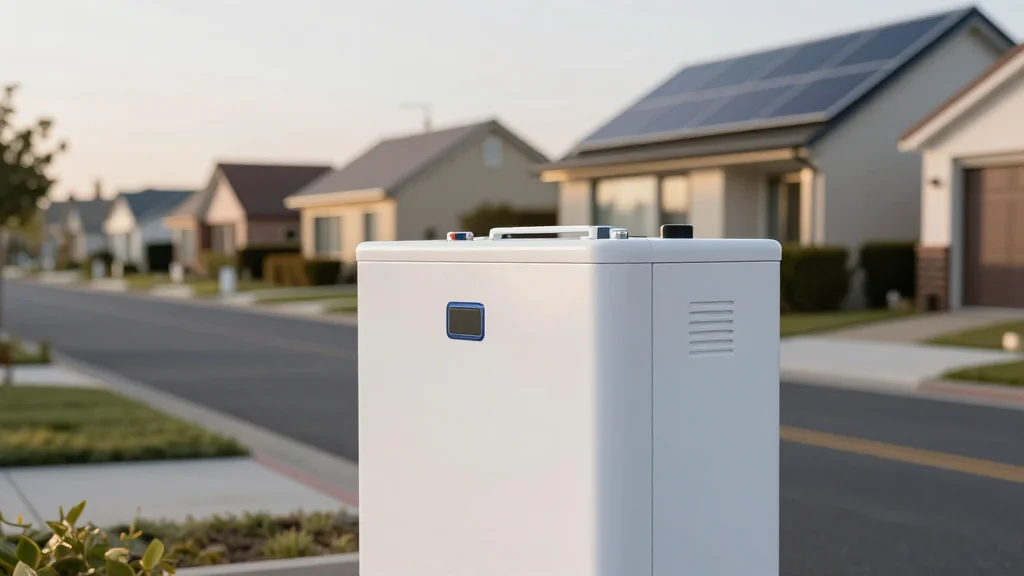
Minnesota’s regulatory approval of Xcel Energy’s Capacity*Connect program illustrates a contrasting, utility‑centric VPP model. The plan installs 200 MW of neighborhood‑scale batteries—each 1 to 3 MW—directly owned and operated by the utility. Proponents argue that centralized control ensures reliability and optimal dispatch during price spikes, yet consumer advocates warn that this ownership structure may dilute incentives for cost‑effective operation and limit community participation. The debate highlights a broader industry tension: whether VPPs should be built on decentralized, consumer‑owned assets that generate market‑based efficiencies, or on utility‑managed installations that promise coordinated grid support.
Nationally, VPP projects now total about 19 GW, with California contributing a third of the inventory. This capacity approaches three‑quarters of New England’s peak demand, underscoring the technology’s scalability. As more states embed VPP targets into legislation and regulatory filings, investors are likely to see increased capital flows into battery manufacturers, software platforms, and ancillary services. The convergence of policy incentives, declining storage costs, and growing awareness of VPP benefits positions virtual power plants as a cornerstone of the United States’ clean‑energy transition, offering a pragmatic bridge between intermittent renewables and reliable grid operation.
As Energy Demand Rises, More States Turn to Virtual Power Plants
Comments
Want to join the conversation?
Loading comments...