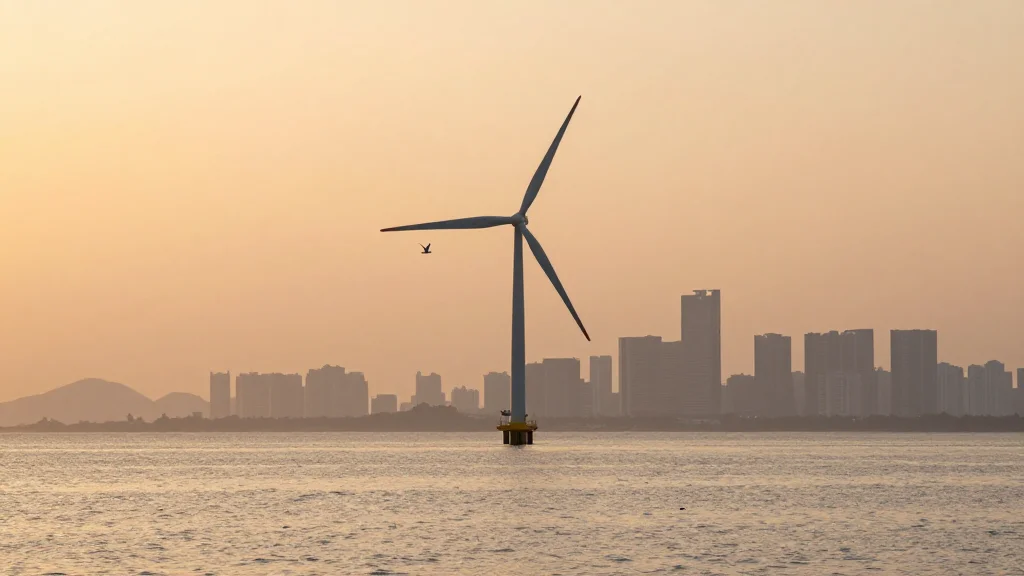
Asia's Offshore Wind Ambitions Hinge on Bankable Auctions After Europe's Costly Lessons
Why It Matters
Effective auction design will unlock financing for the multi‑gigawatt offshore pipeline needed to meet Asia’s decarbonisation targets, while preventing the cost overruns that stalled Europe’s rollout.
Key Takeaways
- •South Korea received 3.6 GW bids, double the 1.8 GW offered
- •Japan plans to relaunch offshore wind auctions after 2025 pause
- •Europe’s recent auction reforms lowered strike prices, boosting developer confidence
- •Local turbine assembly emphasized, with Siemens Gamesa and Doosan in bids
Pulse Analysis
The Asia‑Pacific offshore wind sector is at a crossroads, where policy missteps could echo Europe’s early‑stage setbacks. European developers once balked at poorly calibrated support schemes that shifted excessive risk onto private investors, leading to stalled projects and spiralling costs. Recent reforms in the UK and other European markets have demonstrated that well‑structured, bankable auctions—featuring transparent pricing, clear de‑risking mechanisms, and realistic capacity targets—can revive developer confidence and drive down strike prices. APAC governments are watching these lessons closely as they craft their own tender frameworks.
South Korea’s most recent offshore wind auction provides a promising case study. Nine separate projects submitted bids totalling 3.6 GW, twice the volume the government made available, signaling strong international appetite. Notably, bidders emphasized local turbine assembly, naming Siemens Gamesa and domestic heavyweight Doosan as key suppliers. This focus on domestic manufacturing not only reduces supply‑chain bottlenecks but also aligns with broader industrial policy goals, creating jobs and fostering a regional turbine ecosystem. Investor confidence is further buoyed by the presence of heavyweight funds such as Copenhagen Infrastructure Partners, underscoring the market’s growing credibility.
Japan’s upcoming auction relaunch adds another layer of momentum to the region’s offshore push. After pausing the process in 2025 due to project cancellations, the government is redesigning its auction rules to avoid a race‑to‑the‑bottom on pricing and to prioritize execution certainty. Coupled with rising energy security concerns—exacerbated by geopolitical tensions that threaten oil and gas supplies—the shift toward reliable, profitable offshore wind becomes a strategic imperative. As APAC nations refine their auction designs, the sector’s ability to attract capital, achieve cost‑competitive strike prices, and deliver gigawatts of clean power will be pivotal for meeting global climate goals.
Asia's offshore wind ambitions hinge on bankable auctions after Europe's costly lessons
Comments
Want to join the conversation?
Loading comments...