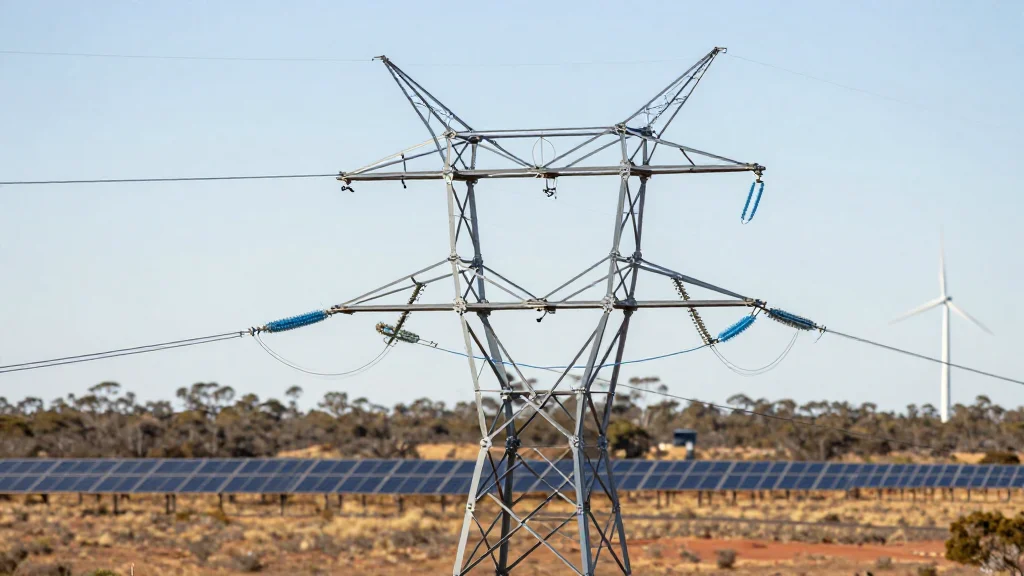
Australia Needs to Rapidly Electrify as Much as Possible, as Fast as Possible
Why It Matters
Australia’s dependence on imported hydrocarbons makes it vulnerable to geopolitical shocks, threatening everything from logistics to food production. Accelerating electrification would safeguard the economy and align with climate commitments.
Key Takeaways
- •Middle East tensions exposed global reliance on oil from Strait of Hormuz
- •EVs avoided 1.7 m barrels daily in 2025, 70% of Iran’s exports
- •Pakistan saved roughly $12 bn in oil imports since 2020 via solar
- •Australian gas reserves may last only through May without new supply
- •Victoria’s gas‑substitution roadmap offers a scalable model for national electrification
Pulse Analysis
The recent diplomatic standoff between Washington and Tehran underscored a long‑standing vulnerability: a sizable share of world oil and gas transits the narrow Strait of Hormuz. When that chokepoint is threatened, price spikes ripple through commodity markets, inflating costs for manufacturers, airlines and consumers worldwide. Analysts note that the crisis amplified the strategic value of diversification, as nations with higher shares of renewable electricity faced less immediate disruption.
Australia’s energy landscape mirrors this fragility. With domestic production covering only a fraction of its transport and industrial demand, the country relies heavily on imported LNG and refined fuels. Recent reports suggest existing gas inventories may only sustain demand through May, prompting panic buying and political pressure for new drilling. Yet the cost of expanding fossil‑fuel extraction—both financially and environmentally—far outweighs the short‑term relief, especially as electric vehicles and solar installations already offset significant oil consumption.
Policy makers now face a decisive crossroads. The Victorian government’s gas‑substitution plan, which incentivizes electric appliances, home batteries and EV adoption, demonstrates a replicable pathway for nationwide electrification. A targeted budget that funds low‑income renters, apartment dwellers and farmers could generate broad political support while accelerating the transition. By locking in public investment now, Australia can reduce exposure to future supply shocks, meet its emissions targets, and position itself as a resilient, low‑carbon economy. Failure to act would leave the nation tethered to volatile fossil markets and vulnerable to the next geopolitical upheaval.
Australia needs to rapidly electrify as much as possible, as fast as possible
Comments
Want to join the conversation?
Loading comments...