Australia Testing Ground for Japan’s Hydrogen Technology
Why It Matters
Toyota’s hydrogen‑electric trials signal a strategic shift toward low‑carbon mobility, positioning Australia as a catalyst for wider adoption and pressuring infrastructure development.
Key Takeaways
- •Toyota will trial hydrogen‑electric HiAce van in Australia
- •SV‑Active 48‑V system boosts efficiency in HiLux and Prado
- •New Prado GXL starts at AU$72,500 (~US$48k)
- •Hydrogen van promises near‑zero CO2 emissions, longer range
- •Infrastructure gaps still hinder mass hydrogen rollout
Pulse Analysis
Hydrogen is emerging as a pivotal pillar in the global decarbonisation agenda, and automakers are racing to prove its commercial viability. Toyota’s decision to test a hydrogen‑electric hybrid HiAce van in Australia reflects the company’s belief that hydrogen can complement battery‑electric solutions, especially for larger vehicles that demand longer ranges. By pairing a fuel‑cell stack with an electric drivetrain, the HiAce aims to deliver zero‑tailpipe emissions while maintaining the payload capacity that traditional diesel vans offer. This approach aligns with recent policy incentives in Australia that encourage clean‑fuel infrastructure and could accelerate the rollout of hydrogen refuelling stations across major corridors.
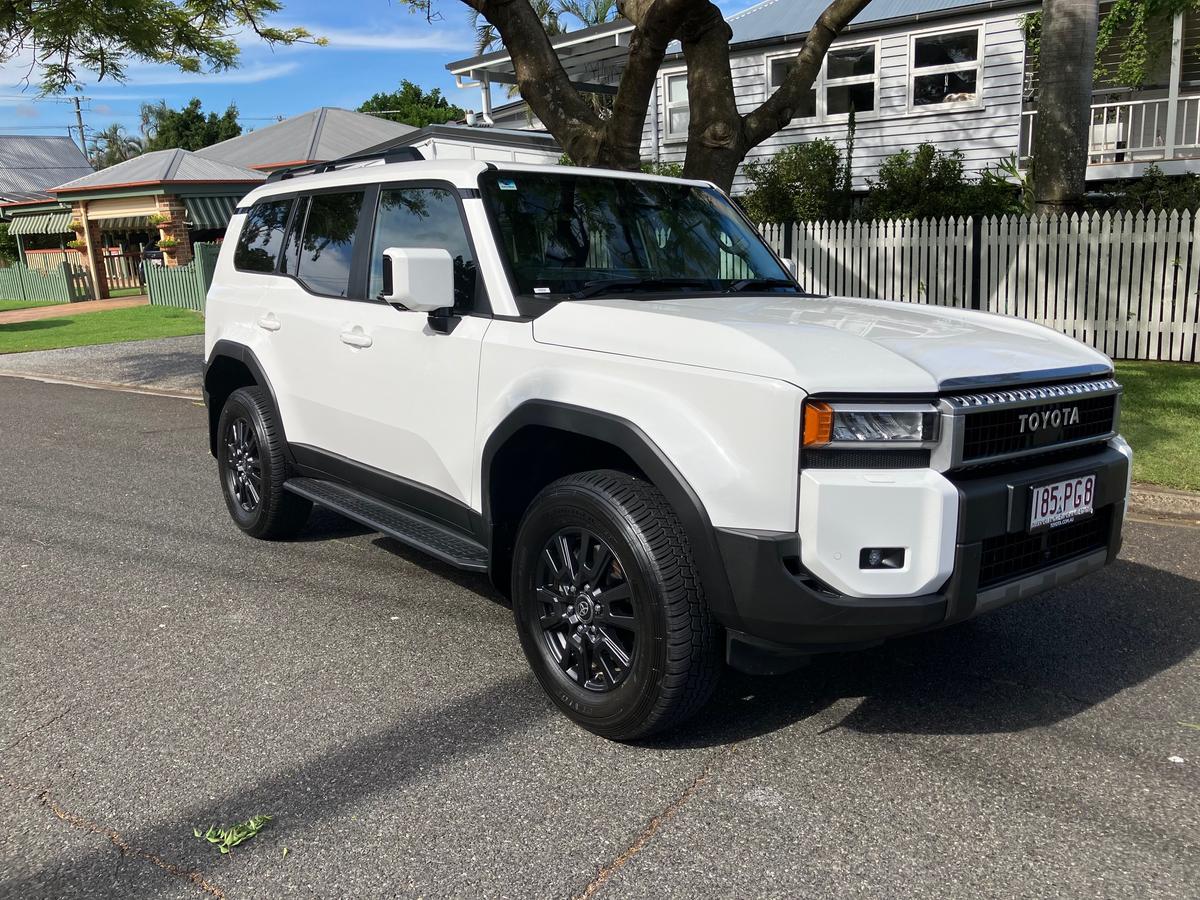
The rollout also showcases Toyota’s 48‑volt SV‑Active technology, a mild‑hybrid system that integrates a motor‑generator, a 48‑V battery and a DC/DC converter with existing diesel powertrains. In the HiLux and the new LandCruiser Prado, the system smooths start‑stop events, improves torque delivery and trims fuel consumption without the cost premium of full‑hybrid or electric architectures. The Prado GXL, priced from AU$72,500 (≈US$48,000), now boasts an eight‑speed automatic, adaptive suspension options and a revamped infotainment suite, illustrating how mild‑hybrid upgrades can be bundled with premium features to enhance market appeal.
For the Australian market, Toyota’s dual strategy of hydrogen testing and mild‑hybrid enhancements carries significant implications. It positions the country as an early adopter of next‑generation green vehicles, potentially spurring local supply chains for hydrogen production, storage and distribution. However, the success of the HiAce hinges on the development of a reliable refuelling network, a hurdle that remains unresolved. Meanwhile, the more conventional SV‑Active models provide an immediate, lower‑cost pathway to emissions reductions, offering consumers tangible fuel‑economy gains while the broader hydrogen ecosystem matures. Toyota’s moves could therefore reshape consumer expectations, influence regulatory frameworks and accelerate the transition toward a diversified, low‑carbon automotive landscape in Australia and beyond.
Australia Testing Ground for Japan’s Hydrogen Technology
Comments
Want to join the conversation?
Loading comments...