Australia’s New South Wales Commits AU$225 Million to Low-Carbon and Renewables Manufacturing
Companies Mentioned
Why It Matters
The funding accelerates Australia’s shift toward a home‑grown clean‑energy supply chain while leveraging private investment to meet NSW’s 70% emissions‑reduction target by 2035 and net‑zero goal for 2050.
Key Takeaways
- •NSW allocates AU$225 million (US$161 million) to low‑carbon manufacturing
- •Funding requires dollar‑for‑dollar private match, leveraging at least AU$225 million
- •Hunter Valley Solar Foundry to create 300 jobs, produce up to 500 MW
- •Grants cover solar, wind, batteries, cement, timber, biofuels, and emerging tech
- •Initiative supports NSW’s 70% emissions cut by 2035 and net‑zero 2050
Pulse Analysis
New South Wales is stepping up its climate agenda with a AU$225 million (US$161 million) grant program that targets commercial‑ready low‑carbon and renewable‑energy projects. By mandating a dollar‑for‑dollar private match, the state aims to double the capital flowing into sectors such as solar‑module production, wind‑tower fabrication, battery storage, blended cement, cross‑laminated timber and biofuels. The Net Zero Manufacturing Initiative also prioritises regional clusters like the Hunter Valley, where existing skilled workforces and supply chains can quickly scale production and attract further investment.
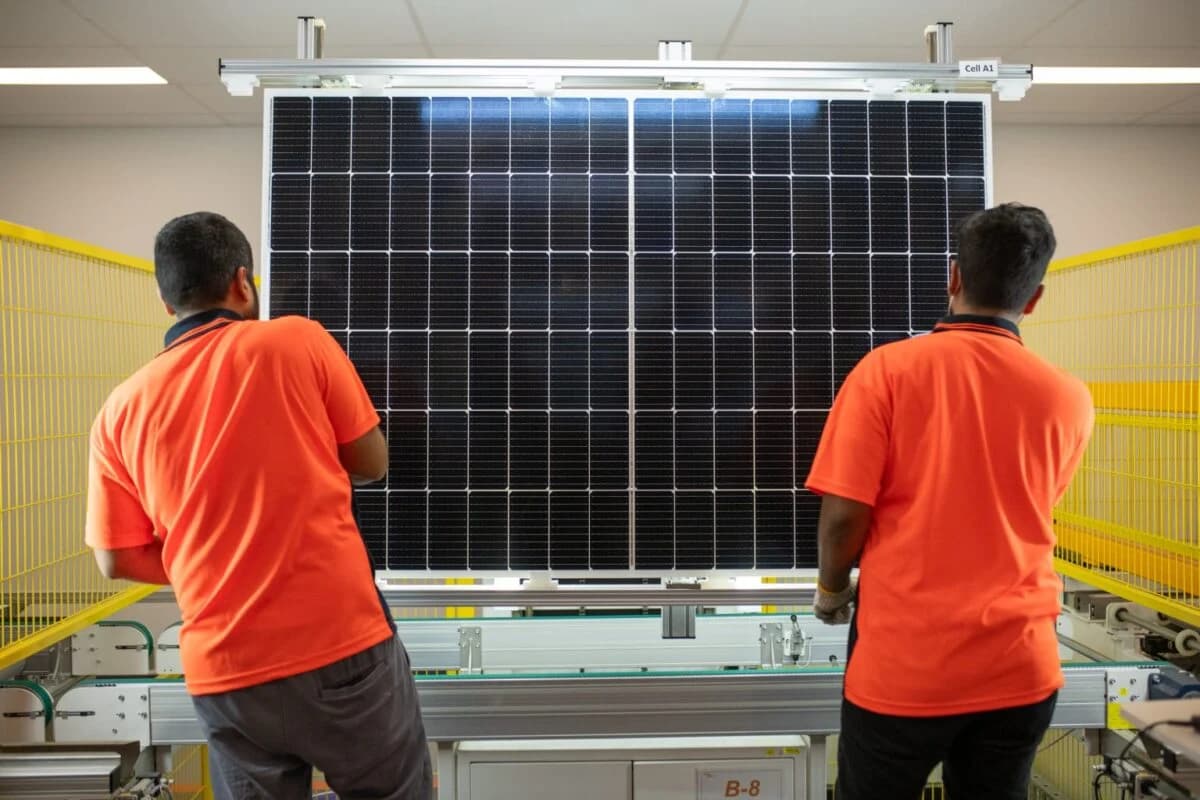
The solar segment receives particular attention, anchored by the Hunter Valley Solar Foundry. Backed by an earlier AU$20 million (US$14 million) state contribution and up to AU$151 million (US$108 million) from the federal ARENA Solar Sunshot Program, the Sunman Group’s facility will generate 300 jobs and initially output 300 MW of modules per year, expanding to 500 MW. This mirrors the success of South Australia’s Tindo Solar, which secured AU$34.5 million (US$24.7 million) to boost capacity to 180 MW. Together, these projects aim to make Australia a competitive exporter of fully Australian‑made PV modules and reduce reliance on imported polysilicon.
Beyond immediate job creation, the initiative underpins NSW’s broader emissions‑reduction targets—70% cut by 2035 and net‑zero by 2050. By fostering a domestic supply chain for clean‑energy hardware, the state reduces transport emissions, secures strategic materials, and positions itself for export opportunities in the Asia‑Pacific market. The leveraged private investment model also signals confidence to global investors, potentially unlocking further funding for emerging technologies like next‑generation storage and low‑carbon construction materials, thereby cementing Australia’s role in the global low‑carbon economy.
Australia’s New South Wales commits AU$225 million to low-carbon and renewables manufacturing
Comments
Want to join the conversation?
Loading comments...