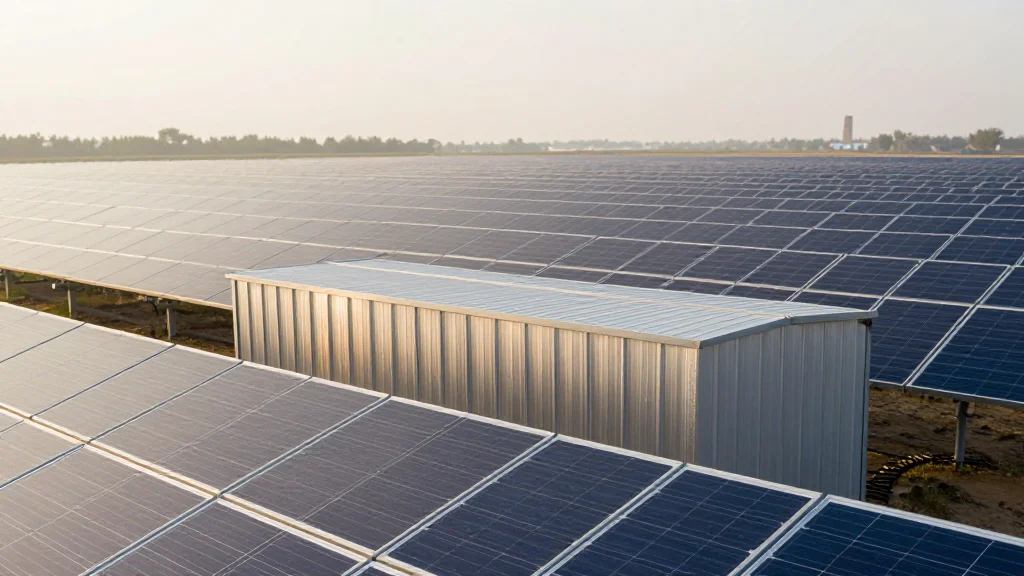
Avaada Energy Expands UP Footprint with Solar, Battery Backed Power Projects
Why It Matters
The expansion strengthens India’s clean‑energy pipeline, delivering reliable green power during peak demand and positioning Avaada as a key player in the country’s solar manufacturing and storage ecosystem.
Key Takeaways
- •85 MW Chitrakoot solar plant slated for 2027 commissioning
- •Avaada invests $30 million in Chitrakoot project
- •6,000‑7,000 MW solar module capacity planned in Greater Noida
- •590 MW FDRE project adds 2,500 MWh battery storage
- •Power sold to UP at $0.05 per kWh
Pulse Analysis
India’s renewable‑energy push is accelerating, with solar capacity expected to surpass 300 GW by 2030. Avaada Energy, a fast‑growing independent power producer, is capitalising on favourable land and high solar‑radiation zones in Uttar Pradesh’s Bundelkhand region. The new 85 MW Chitrakoot plant not only expands the state’s solar footprint but also demonstrates the company’s strategy of pairing generation with long‑term power‑purchase agreements, ensuring stable revenue streams while supporting the region’s industrial growth.
Beyond generation, Avaada is building a vertically integrated solar‑module value chain. Its existing 1,500 MW TOPCon manufacturing facility in Dadri, backed by a $48 million investment, will be complemented by a proposed 6,000‑7,000 MW capacity across Greater Noida and Hathras. TOPCon technology offers higher efficiency and lower degradation, giving Avaada a competitive edge in both domestic and export markets. The integrated approach reduces supply‑chain bottlenecks and aligns with India’s Made‑in‑India renewable‑manufacturing incentives.
The firm‑and‑dispatchable renewable‑energy (FDRE) project marks a critical step toward grid reliability. By coupling 590 MW of solar and wind with 2,500 MWh of battery storage, Avaada can deliver power between 6 pm and midnight, a period traditionally reliant on fossil‑fuel peakers. Priced at $0.05 per kWh, the FDRE offering undercuts conventional generation costs, promising cost‑effective, low‑carbon electricity for Uttar Pradesh’s utilities and industrial consumers. This model showcases how large‑scale storage can unlock the full potential of intermittent renewables, a blueprint likely to be replicated across India’s power sector.
Avaada Energy expands UP footprint with solar, battery backed power projects
Comments
Want to join the conversation?
Loading comments...