Balcony Solar Bill Dies in Illinois After Union Voices Opposition
Companies Mentioned
Why It Matters
The setback underscores the friction between rapid clean‑energy deployment and labor‑union safety standards, potentially delaying consumer access to low‑cost solar solutions in a key Midwest market.
Key Takeaways
- •Illinois balcony‑solar bill stalled after union safety concerns
- •Amendment would ban plug‑in panels until NEC updates in 2028
- •Bill would have removed utility interconnection for arrays up to 1,200 W
- •Utah, Maine, and Colorado already enacted balcony‑solar laws
- •Advocates say panels are as safe as a hair dryer
Pulse Analysis
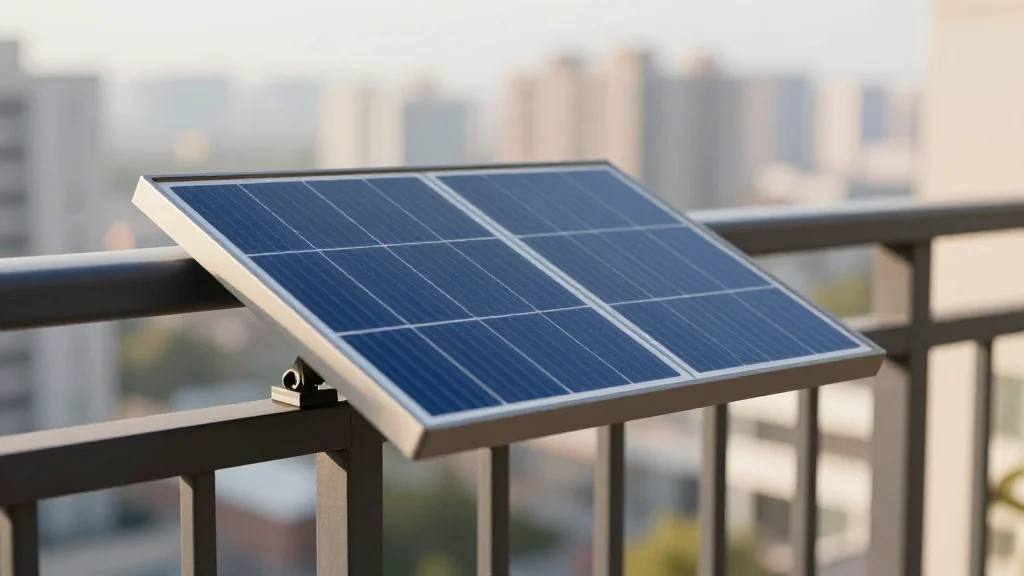
Balcony‑solar, a plug‑in photovoltaic system that can be mounted on a rented or owned balcony, has become a fast‑growing niche in the residential clean‑energy market. The technology typically delivers 200 to 1,600 watts, enough to offset a modest portion of a household’s electricity use and lower monthly bills. By 2026 more than half of U.S. states were reviewing similar measures, with Utah, Maine and Colorado already enacting legislation that exempts small arrays from utility interconnection requirements. Illinois lawmakers introduced Senate Bill 3104 to join that wave, aiming to let consumers install panels without electrician permits or HOA restrictions.
The bill’s progress stalled when the International Brotherhood of Electrical Workers raised safety objections, prompting an amendment that would prohibit any plug‑in panels until the National Electrical Code is revised—a change not expected until late 2028. Union leaders argue that unqualified installations could create fire hazards and undermine electrician jobs, even though advocates compare the risk to plugging in a hair dryer or washing machine. The amendment also required UL certification for panels, adding a compliance hurdle. This clash highlights the broader tension between rapid renewable adoption and established labor standards in the energy sector.
With the measure withdrawn for the current session, supporters plan to refile in the next legislative cycle, emphasizing that balcony solar occupies a distinct market segment from rooftop systems and therefore should not threaten existing solar jobs. The delay may slow Illinois’ contribution to the state’s clean‑energy goals, but it also offers a window to align safety standards with emerging technology. As more states move forward, the outcome in Illinois could set a precedent for how labor unions and policymakers negotiate the balance between consumer access, safety, and workforce protection.
Balcony solar bill dies in Illinois after union voices opposition
Comments
Want to join the conversation?
Loading comments...