Balcony Solar Bill Moving Forward in California
Why It Matters
Legalizing balcony solar could revive growth in California’s solar sector, create jobs and help consumers offset high electricity rates, while reinforcing the state’s clean‑energy leadership.
Key Takeaways
- •SB 868 would permit plug‑in solar without permits or installers.
- •Estimated state cost $200k‑$500k annually, placed on Appropriations suspense.
- •California’s rent‑heavy market could drive rapid balcony‑solar adoption.
- •Bill follows similar legislation in 34 states since 2025.
- •Success may offset job losses from prior net‑metering cuts.
Pulse Analysis
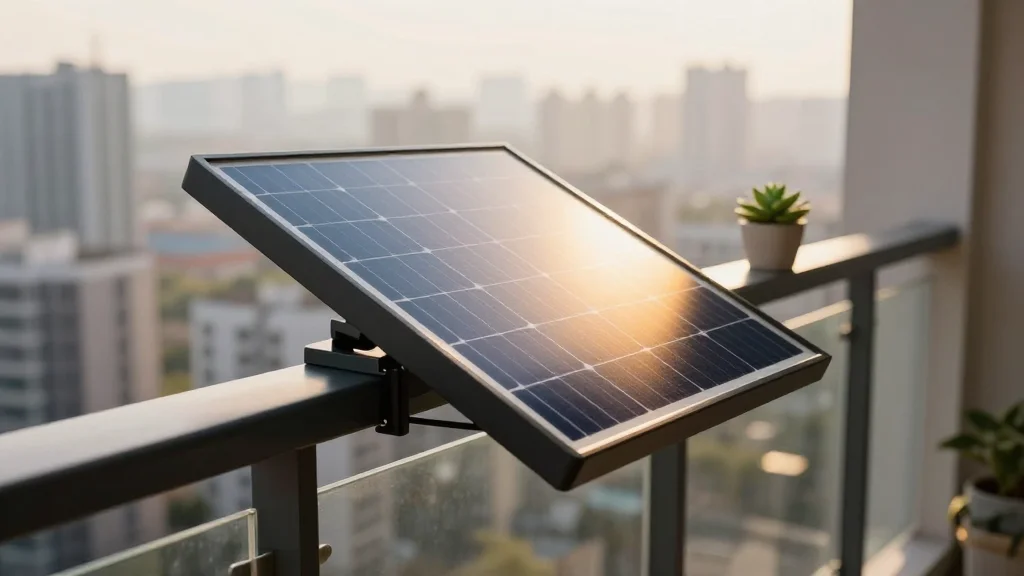
Balcony‑solar, often called plug‑in solar, has surged in popularity because it sidesteps traditional installation hurdles. Consumers simply plug modular panels into a standard outlet, turning unused balcony space into a micro‑grid that feeds power directly to the home. The model appeals especially to renters and multi‑unit dwellers who lack roof access, and it aligns with broader trends toward distributed energy resources and grid resilience. Manufacturers like China’s HIITO are scaling production to meet this niche demand, promising lower upfront costs and faster deployment than conventional rooftop systems.
California, the nation’s largest solar market, has wrestled with policy volatility after aggressive cuts to net‑metering rates left thousands of jobs at risk. SB 868 seeks to counter that slowdown by eliminating permitting delays and installer fees, thereby lowering the barrier to entry for residential customers. The CPUC’s cost projection of $200,000‑$500,000 per year reflects modest administrative expenses, a figure that the state’s Appropriations Committee will scrutinize in August. If the bill clears the full Assembly, California would become the latest major jurisdiction to codify balcony‑solar, joining Colorado, Connecticut, Maine, Maryland and Virginia, and edging closer to New York and Vermont’s pending measures.
The broader impact extends beyond California’s borders. Nationwide, 34 states have considered plug‑in solar legislation since 2025, signaling a shift toward more flexible, renter‑friendly clean‑energy solutions. In a market where electricity prices are among the highest in the country, even a modest reduction in bills can drive adoption at scale. Moreover, the rollout could generate new manufacturing, installation, and maintenance jobs, partially offsetting the employment dip caused by net‑metering reforms. For investors and policymakers, SB 868 offers a test case of how low‑cost, decentralized solar can complement larger utility‑scale projects while advancing climate goals.
Balcony Solar Bill Moving Forward in California
Comments
Want to join the conversation?
Loading comments...