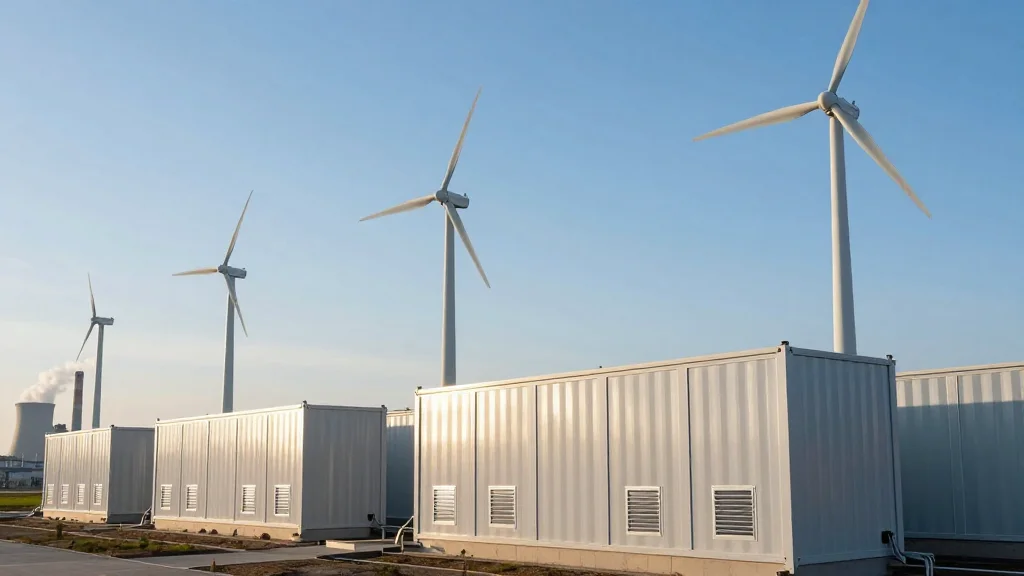
Batteries and Wind Are Crushing Evening Peak Prices, and There Is More Pain to Come for Gas and Coal
Companies Mentioned
Why It Matters
The price collapse erodes profitability of coal and gas peakers, reshaping the hedging market and accelerating the shift toward renewables in Australia’s power sector.
Key Takeaways
- •1 GW wind + 1 GW utility batteries cut evening peak prices ~50%
- •Home batteries shave ~0.9 GW of evening‑peak demand
- •Coal generators’ spot revenue down 30‑40% YoY
- •Battery capacity set to reach 68 GWh by year‑end
- •5 GW of coal at risk as batteries and wind expand
Pulse Analysis
Battery storage has moved from a niche technology to a market‑shaping force in the Australian National Electricity Market (NEM). By charging on cheap midday solar and discharging during the 5‑10 pm window, utility‑scale and behind‑the‑meter batteries now provide roughly 11 % of the system’s daily energy and nearly half of its peak power. This low‑marginal‑cost supply has driven evening‑peak prices down by about 50 %, forcing traditional peaking plants—especially open‑cycle gas and coal—to operate far less frequently and at reduced margins.
The revenue squeeze on coal generators is stark: the two largest NSW and Queensland coal assets have seen spot‑market earnings fall 30‑40 % compared with last year, while their capacity factors have slipped further. Because hedging contracts are anchored to spot price expectations, a sustained low‑price environment discourages new PPAs at historically high rates, accelerating the financial pressure on fossil‑fuel assets. Investors and utilities are therefore re‑evaluating long‑term generation portfolios, with many shifting capital toward flexible storage and wind projects that can reliably meet evening demand without the fuel‑price volatility of gas.
Looking ahead, the NEM is set to add another 40 GWh of utility‑scale storage and bring total behind‑the‑meter capacity close to 68 GWh by year‑end. Coupled with an additional gigawatt of wind slated for 2026, these resources could curtail another 5 GW of coal output, effectively marginalising a significant portion of the coal fleet. However, the transition hinges on continued wind development; Origin Energy’s recent $300 million (≈ $200 million USD) investment underscores the capital intensity of new wind farms. Policymakers will need to ensure stable renewable procurement mechanisms to sustain the build‑out, while grid operators must manage the increasing variability introduced by higher storage penetration. The combined momentum of batteries and wind is reshaping Australia’s energy landscape, setting a precedent for other markets grappling with the economics of decarbonisation.
Batteries and wind are crushing evening peak prices, and there is more pain to come for gas and coal
Comments
Want to join the conversation?
Loading comments...