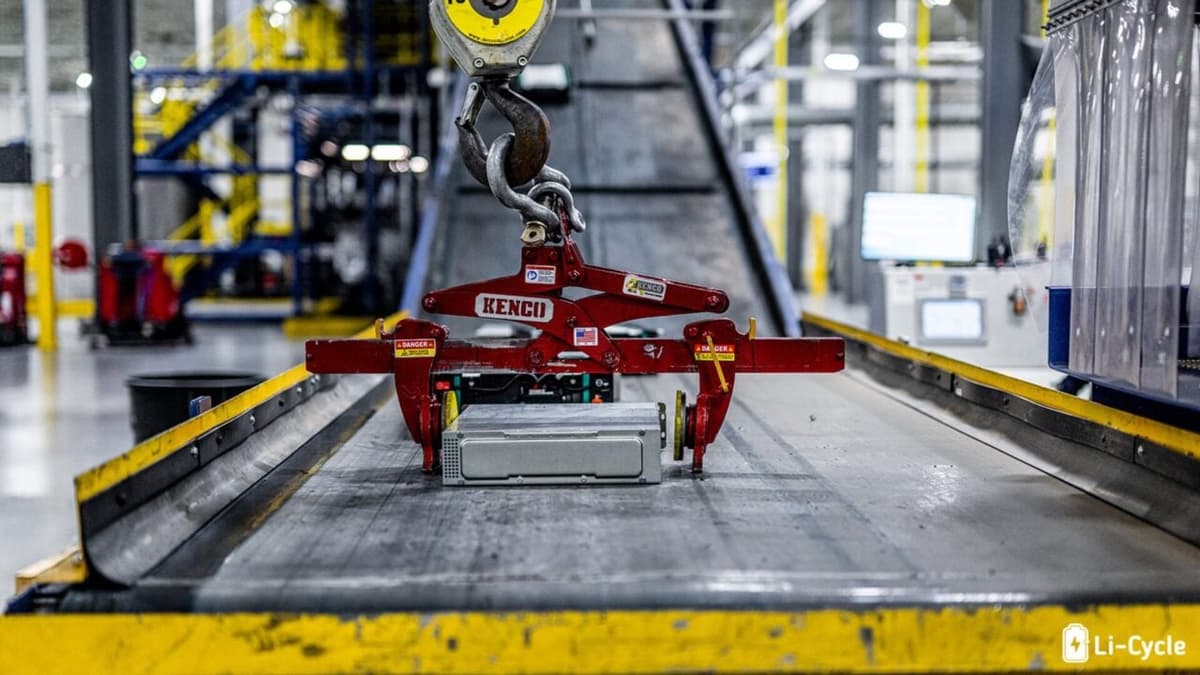
Beyond Deployment: Building a Circular Future for Renewable Energy
Why It Matters
Effective circular‑economy strategies turn waste into revenue, secure critical minerals, and improve the financial viability of the clean‑energy transition, making it more resilient to supply‑chain shocks and regulatory pressure.
Key Takeaways
- •Only ~17% of Australian solar modules are currently recycled
- •Battery recycling relies on China for 60% of global refining capacity
- •EU Battery Regulation will require 6% recycled lithium in batteries by 2031
- •Regional recycling hubs cut transport costs and lower supply‑chain risk
- •Design‑for‑recyclability embedded early reduces end‑of‑life liabilities
Pulse Analysis
The rapid rollout of solar, wind and utility‑scale battery storage has delivered measurable emissions cuts, yet the sector is now confronting the looming waste stream from aging assets. Early‑stage solar installations in Australia illustrate the scale of the problem: with just 17% of modules reclaimed, billions of dollars of material value—and associated carbon savings—remain locked in landfills. Battery packs, which are essential for grid stability, face a similar fate; most end‑of‑life processing ends in a "black mass" that is shipped to a handful of refineries, primarily in China, creating logistical bottlenecks and geopolitical exposure.
Material security, environmental integrity, and project economics converge to make circular‑economy thinking unavoidable. Recovering critical minerals such as lithium, cobalt and silver eases dependence on concentrated mining regions, while recycling cuts the carbon intensity of new builds by avoiding virgin extraction. Policymakers worldwide are codifying these benefits: Japan’s Wide Area Certificate scheme, the EU Battery Regulation’s minimum recycled‑content thresholds, and emerging U.S. state bills like Texas Senate Bill 1824 all embed recycling obligations into market access and utility planning. These rules are reshaping financing models, as lenders now factor end‑of‑life liability into loan covenants and investors demand transparent material‑tracking data.
The next frontier is building a distributed network of recycling facilities that can handle large‑scale batteries and solar components close to where they are decommissioned. Establishing regional hubs reduces transport distances, lowers carbon footprints, and diversifies supply chains away from a China‑centric refining base. Companies such as Fluence are embedding design‑for‑recyclability, supplier engagement and data transparency into project specifications, turning circularity from a compliance checkbox into a value‑creation lever. As the clean‑energy infrastructure matures, the ability to reclaim and reuse materials will become a key differentiator for developers, financiers and grid operators seeking long‑term resilience and cost efficiency.
Beyond deployment: Building a circular future for renewable energy
Comments
Want to join the conversation?
Loading comments...