Bitdeer Posts $188.9M Q1 Revenue as New Low‑Power SEALMINER Cuts Energy Use

Why It Matters
Bitdeer’s Q1 performance illustrates how crypto‑mining firms are attempting to reconcile profitability with mounting climate scrutiny. By introducing hardware that cuts energy consumption per terahash, the company offers a potential pathway for the sector to lower its carbon footprint while scaling AI services that demand similar compute power. The results also signal to investors and policymakers that financial viability and environmental responsibility are increasingly intertwined in the ClimateTech arena. If Bitdeer’s efficiency gains prove durable, they could set a new benchmark for mining hardware, prompting competitors to accelerate low‑energy designs. Conversely, persistent regulatory pressure on electricity‑intensive operations could reshape capital allocation, pushing firms toward renewable‑powered data centers or diversified revenue streams such as AI cloud services.
Key Takeaways
- •Q1 revenue $188.9 million, up 170% YoY; adjusted EBITDA $14.4 million.
- •Gross profit negative $39 million, gross margin -20.7% due to low Bitcoin price and seasonal power costs.
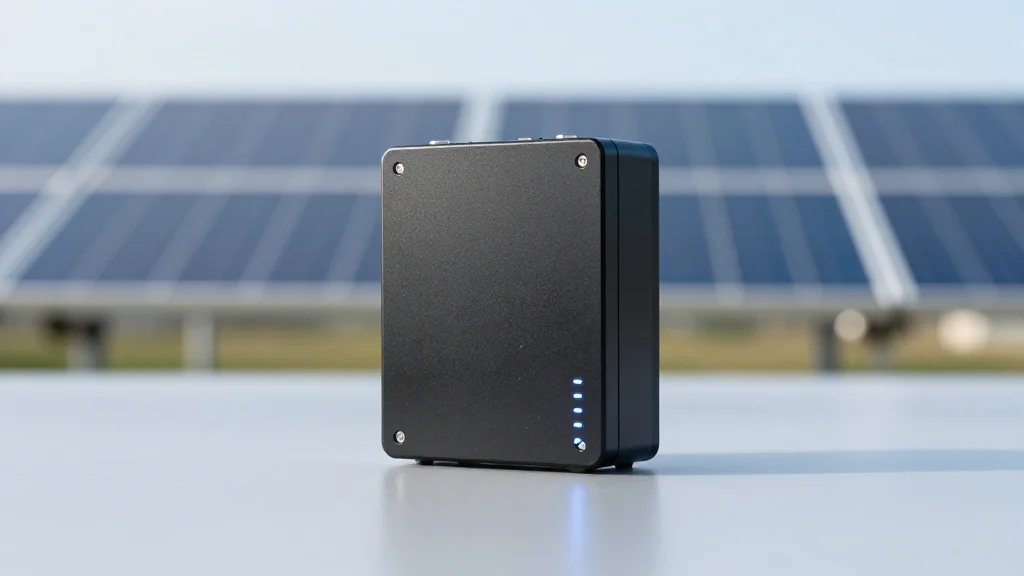
- •SEALMINER A4 series operates at 9.45 J/TH, improving fleet efficiency to 16.4 J/TH overall.
- •AI cloud ARR grew from $10 million in Jan to $69 million by Apr, with GPU utilization hitting 94% in March.
- •Company raised $375 million via 5% convertible senior notes and holds $297.7 million in cash.
Pulse Analysis
Bitdeer’s earnings underscore a pivotal inflection point for crypto mining: the sector can no longer rely solely on price-driven revenue; energy efficiency has become a core competitive lever. The SEALMINER A4’s sub‑10 J/TH metric narrows the gap between traditional data‑center workloads and mining rigs, making it easier for the industry to argue for renewable‑energy integration without sacrificing hash rate. Historically, mining hardware improvements have focused on raw performance; this shift toward energy per hash reflects a broader market realignment driven by investor ESG mandates and looming carbon‑pricing regimes.
The company’s dual‑track strategy—expanding AI‑cloud services while maintaining a self‑mining operation—offers a hedge against Bitcoin volatility. However, the rapid price escalation of GPU cloud instances (up 40% since late 2025) hints at a potential cost‑pass‑through to customers, which could dampen demand if regulatory bodies impose stricter emissions reporting on AI workloads. Bitdeer’s sizable debt load ($1.92 billion) and recent convertible note issuance also raise questions about balance‑sheet resilience if energy costs rise or if litigation delays key data‑center rollouts.
Going forward, Bitdeer’s ability to scale low‑power hardware across new geographies—such as the upcoming Norway AI center and the Reno ASIC fab—will be a litmus test for the broader mining ecosystem’s transition to greener operations. Success could catalyze a wave of capital toward energy‑efficient mining, while setbacks may accelerate policy interventions aimed at curbing the sector’s carbon intensity.
Bitdeer Posts $188.9M Q1 Revenue as New Low‑Power SEALMINER Cuts Energy Use
Comments
Want to join the conversation?
Loading comments...