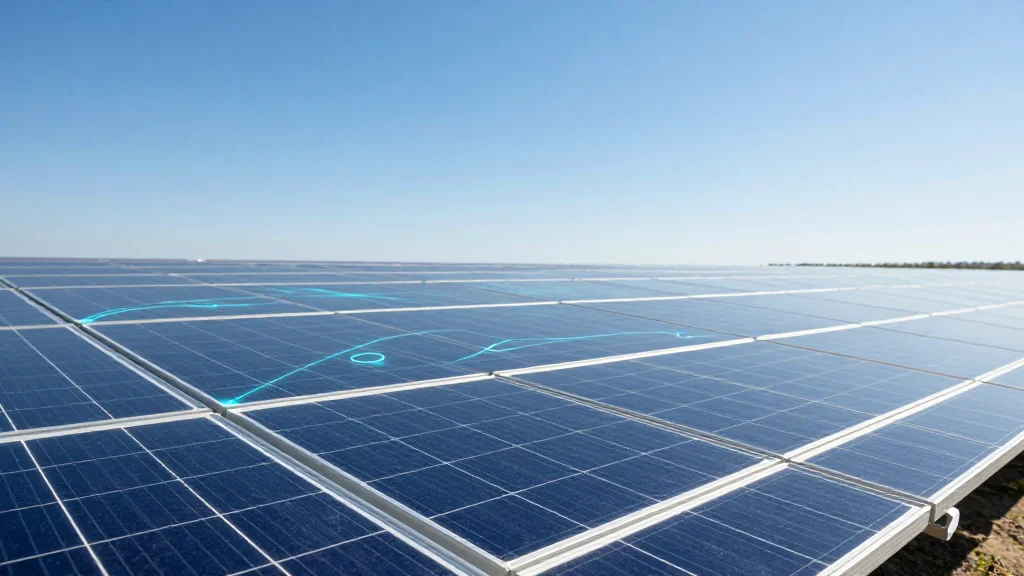
BloombergNEF Predicts Solar PV Will Lead Global Electricity Generation by 2032

Companies Mentioned
Why It Matters
Solar PV’s projected ascendancy reshapes capital allocation across the energy sector, directing private equity, corporate investment and government subsidies toward solar manufacturing, installation and grid integration. For import‑dependent economies, the shift promises tangible macroeconomic gains and reduced exposure to volatile fossil‑fuel markets, while also accelerating progress toward climate‑neutral targets. The forecast also signals a strategic inflection point for competing technologies. With no viable low‑cost alternative on the horizon, nuclear, geothermal and next‑generation storage must either achieve dramatic cost cuts or find niche markets, lest they be sidelined by solar’s price advantage. This dynamic will influence research funding, policy incentives and the competitive landscape for clean‑energy innovators.
Key Takeaways
- •BloombergNEF projects solar PV will become the world’s largest electricity generator by 2032.
- •Electricity will represent two‑thirds of new energy demand through 2050, driven by EVs and data centres.
- •Data centre capacity hit 84 GW in 2025, a 20 % YoY rise, consuming 500 TWh (1.9 % of global demand).
- •US$0.5 trillion of corporate equity and billions in government support flow into clean‑tech startups.
- •Import‑heavy economies could boost GDP by reducing energy‑import shares ranging from 3 % to 6 % of GDP.
Pulse Analysis
The BloombergNEF forecast underscores a structural realignment of the global energy system, where solar PV moves from a growth story to a baseline technology. Historically, solar’s market share grew in tandem with policy incentives; the new outlook suggests that cost parity and overcapacity have decoupled growth from subsidies, making solar a self‑sustaining engine of capacity addition. This transition will likely compress margins for traditional fossil‑fuel generators, accelerate retirements of coal plants, and force utilities to re‑think asset portfolios.
From an investment perspective, the projected 17‑fold expansion of storage to 3.8 TW by 2050 signals a massive ancillary market that will be essential for solar’s reliability. Venture capital and corporate investors will likely pivot toward battery chemistry, grid‑scale storage solutions, and software that optimizes demand response. Meanwhile, regions with high import dependence stand to reap the most immediate economic benefits, creating a geopolitical incentive for rapid solar deployment that could reshape trade balances.
Policy makers must now grapple with two intertwined challenges: ensuring grid flexibility to accommodate variable solar output, and managing the social implications of a rapid shift away from fossil‑fuel employment. Strategic investments in transmission, smart‑grid technologies, and workforce retraining will be critical to harness the full economic and climate benefits of a solar‑dominant electricity era.
BloombergNEF predicts solar PV will lead global electricity generation by 2032
Comments
Want to join the conversation?
Loading comments...