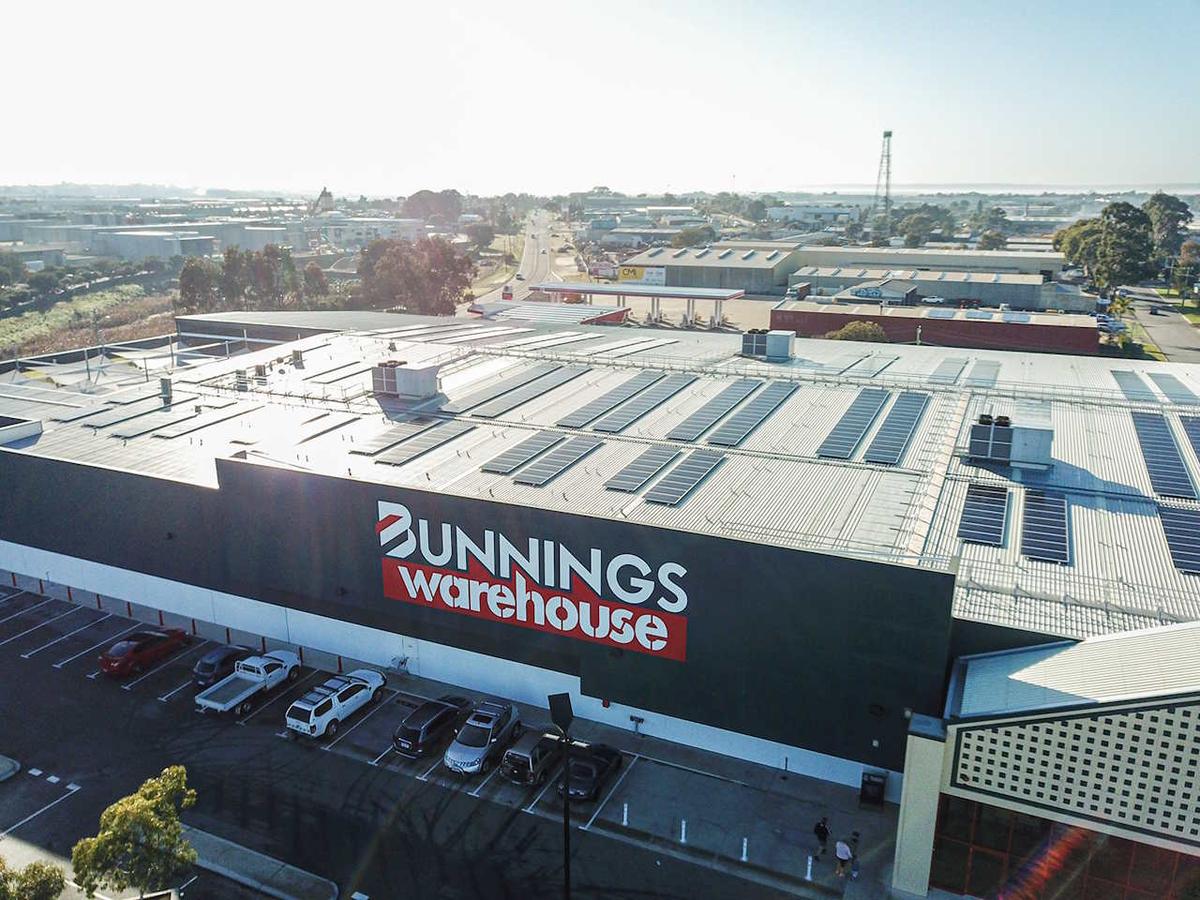
Bunnings Extends Zero Up-Front Home Solar and Battery Deal to Three New States
Companies Mentioned
Why It Matters
The rollout brings affordable, subscription‑based residential solar to three of Australia’s largest states, accelerating home electrification and challenging traditional upfront‑purchase models. It signals a shift toward energy‑as‑a‑service, expanding Bunnings’ footprint in the renewable‑energy market.
Key Takeaways
- •Bunnings expands zero‑upfront solar service to Victoria, Queensland, South Australia.
- •Subscription starts at ~$72/month for a 15 kWh battery, $75 in Victoria.
- •NSW pilot showed 25% average summer energy‑cost reduction.
- •10‑year total cost about $12.5k for Anker battery, $15.1k for SigEnergy.
- •Rates increase 2.5% annually, include tech support and app automation.
Pulse Analysis
The Australian residential energy market is witnessing a decisive pivot toward subscription‑based models, and Bunnings’ latest expansion underscores that trend. By partnering with digital‑energy specialist Intellihub, the retailer leverages the Zelora platform to bundle solar panels and battery storage into a single, no‑up‑front offering. This approach sidesteps the traditional capital barrier that has kept many homeowners from adopting renewable technology, especially in regions where federal rebates still fall short of covering installation costs. The inclusion of an intuitive app and round‑the‑clock support further differentiates the service from conventional installers.
Financially, the subscription tiers are calibrated to appeal to a broad spectrum of households. Monthly payments start at roughly $72 USD for a 15 kWh battery and climb to about $203 USD for a 40 kWh battery paired with 14.2 kW of solar, with a modest 2.5% annual price increase to offset inflation. Over a decade, total outlays amount to approximately $12.5k USD for the Anker Solix battery and $15.1k USD for the SigEnergy option, figures that many consumers find more manageable than lump‑sum purchases. Early data from the New South Wales trial revealed a 25% reduction in summer electricity costs, a compelling value proposition when combined with potential savings from wholesale‑price electricity plans.
The broader implications for the Australian energy landscape are significant. Bunnings, traditionally a hardware retailer, is now positioning itself as a key player in the energy‑as‑a‑service arena, potentially reshaping competitive dynamics with established solar installers and utility providers. As home electrification accelerates, the subscription model could become a benchmark for affordability and convenience, prompting other retailers to explore similar offerings. Ultimately, this move may hasten Australia’s transition to a more decentralized, renewable‑focused grid while delivering tangible cost benefits to consumers.
Bunnings extends zero up-front home solar and battery deal to three new states
Comments
Want to join the conversation?
Loading comments...