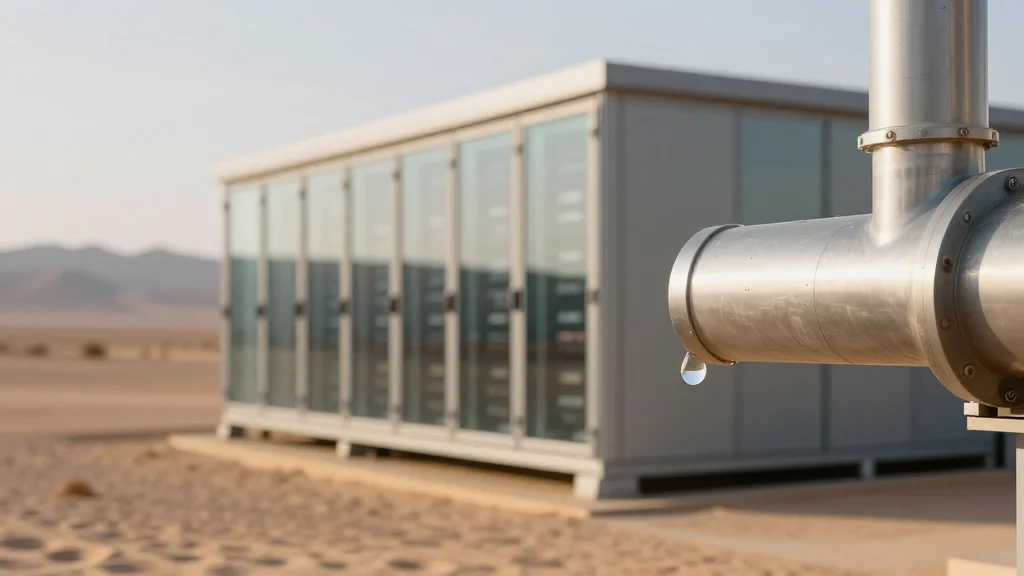
California Faces Water Strain as 300+ Data Centers Loom, $10B Imperial Valley Project Sparks Outcry

Why It Matters
The surge of data centers in California underscores a broader climate‑tech paradox: high‑tech infrastructure that fuels digital transformation also demands substantial water for cooling, a resource already stressed by drought and climate change. If unchecked, the cumulative water draw from over 300 facilities could exacerbate supply shortages, raise utility rates, and strain municipal systems, disproportionately affecting vulnerable communities. Addressing this challenge now could set a precedent for integrating water‑sustainability metrics into the planning and operation of data‑intensive technologies nationwide. Transparent reporting, incentives for alternative cooling methods, and coordinated water‑resource planning would help align the growth of the digital economy with California’s climate‑resilience goals.
Key Takeaways
- •A $10 billion, 330‑MW data center in Imperial Valley will use 750,000 gallons of water per day.
- •California expects more than 300 new data centers in the coming years, raising statewide water concerns.
- •54 % of US Water Alliance poll respondents are extremely or very worried about data‑center water impacts.
- •Scott Berry (US Water Alliance) warns public concern will rise as data‑center footprints expand.
- •California lacks mandatory water‑use reporting for AI data centers, creating a regulatory blind spot.
Pulse Analysis
The data‑center boom in California is a textbook case of infrastructure externalities outpacing policy. Historically, the state’s tech sector has benefited from generous water allocations for cooling, but the rapid escalation to hundreds of facilities now threatens to tip the balance. The Imperial Valley project, with its $10 billion price tag, illustrates how developers are betting on the economic upside while assuming water costs will remain static—a gamble that may prove costly for ratepayers.
Regulatory inertia compounds the risk. Without a statewide mandate to disclose water consumption, utilities and communities are forced to react to piecemeal information, often after projects have broken ground. This opacity hampers proactive water‑resource planning and fuels public backlash, as seen in the NIMBY (Not In My Backyard) protests. A policy shift toward mandatory water‑use reporting, coupled with incentives for low‑water cooling technologies, could create a market signal that aligns developer incentives with climate‑resilience objectives.
Looking ahead, the litigation surrounding the Imperial Valley center may become a bellwether. If courts or regulators impose stricter water‑rights assessments, other developers will likely adopt similar safeguards, potentially slowing the rollout of new facilities but ensuring a more sustainable trajectory. Conversely, if the project proceeds unchecked, it could set a precedent for unchecked water consumption, prompting a wave of community opposition that could stall the broader data‑center expansion across the state.
California Faces Water Strain as 300+ Data Centers Loom, $10B Imperial Valley Project Sparks Outcry
Comments
Want to join the conversation?
Loading comments...