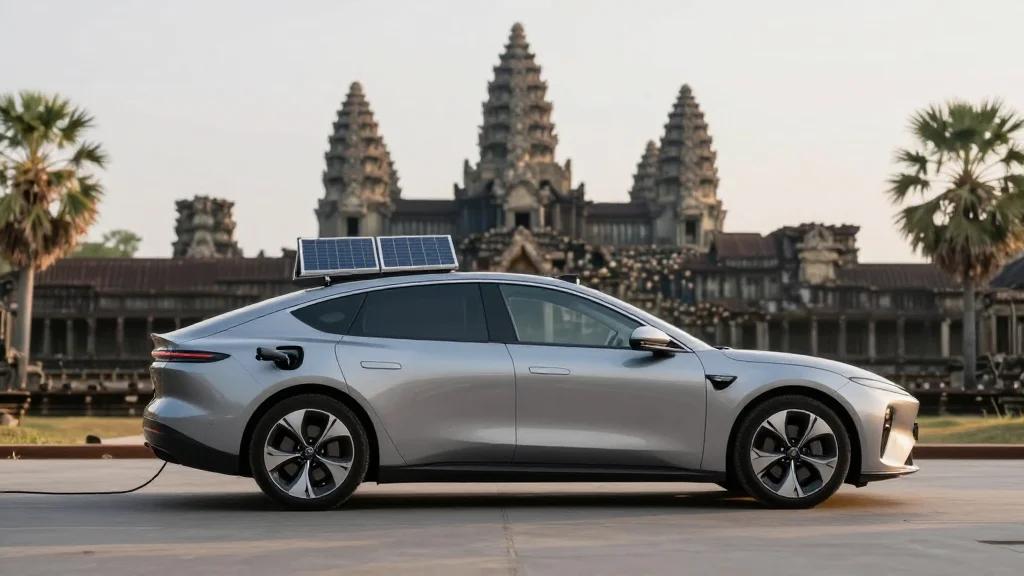
Cambodia Scraps EV Import Taxes, Citing Fuel Price Pressure
Why It Matters
The tax waiver demonstrates how fiscal tools are being used in Southeast Asia to accelerate electric‑vehicle uptake amid oil‑price volatility, creating new market opportunities and advancing climate objectives.
Key Takeaways
- •Zero import duties on EVs, batteries, solar products.
- •PHEV tax drops from 35% to 7%.
- •EVs target 40% of cars by 2050.
- •Fuel price surge drives policy shift.
- •Infrastructure plans backed by BYD and development partners.
Pulse Analysis
The sudden spike in global oil prices, sparked by the Middle East conflict, has forced many emerging economies to reassess their energy strategies. Cambodia responded on April 1 by abolishing import duties on electric vehicles, lithium‑ion batteries, solar lamps and related equipment, cutting tariffs that previously ranged from 7 % to 35 % down to zero. By removing these fiscal barriers, the government hopes to cushion consumers from volatile fuel costs while signaling a clear shift toward electrified transport. The move aligns Cambodia with a growing cohort of Southeast Asian nations that are leveraging tax policy to accelerate clean‑technology adoption.
Although electric cars currently represent only 0.2 % of Cambodia’s 8.3 million‑vehicle fleet, the zero‑duty regime could narrow the price gap that has kept EVs out of reach—new models still cost roughly $29,000 versus $16,000 for comparable gasoline cars. The policy is complemented by ongoing efforts to expand charging infrastructure, with Chinese manufacturer BYD and multilateral partners piloting stations in Phnom Penh and provincial hubs. Overcoming high upfront costs and limited charging points remains critical; however, the tax relief provides a tangible incentive for both private buyers and fleet operators.
Beyond immediate consumer benefits, the tariff cuts are a cornerstone of Cambodia’s updated climate plan, which aims to slash emissions by 41.7 % by 2030 and achieve a 40 % electric‑vehicle share of new car registrations by 2050. The fiscal stimulus is expected to attract foreign investment in battery assembly, component manufacturing, and renewable‑energy generation, positioning the country as a regional hub for green mobility. As neighboring markets such as Thailand and Vietnam also tighten EV incentives, Cambodia’s aggressive duty elimination could give it a competitive edge in the emerging Southeast Asian electric‑vehicle ecosystem.
Cambodia scraps EV import taxes, citing fuel price pressure
Comments
Want to join the conversation?
Loading comments...