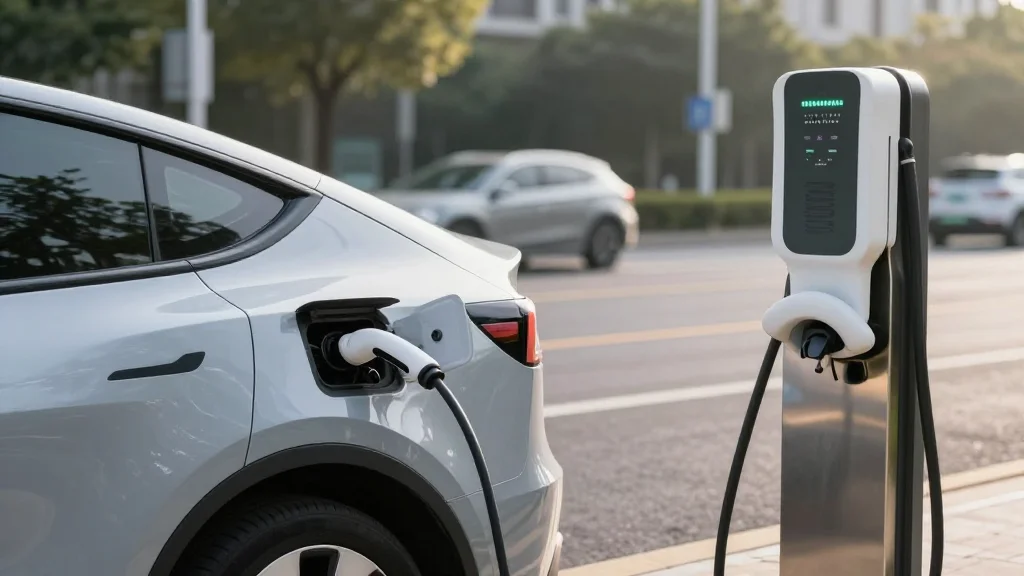
Can Networks Solve Australia’s “Chicken-and-Egg” EV Problem? The Battle for Control of Kerbside Charging
Why It Matters
If approved, the rule change could unlock rapid, affordable public charging, accelerating EV adoption and shaping Australia’s clean‑energy transition. Conversely, it raises concerns about monopoly over‑reach and potential cost pass‑through to consumers.
Key Takeaways
- •ENA seeks rule change to let networks own street‑level EV chargers
- •Proposed Direct Control Service would move chargers into regulated asset base
- •Critics fear network monopoly could limit competition and raise costs
- •Supporters say faster rollout will break Australia’s EV chicken‑egg problem
- •Industry split mirrors broader debate over market‑based vs state‑led infrastructure
Pulse Analysis
Australia’s EV market is at a crossroads, with a stark 45‑to‑1 ratio of vehicles to public chargers, far above the global average of 11‑to‑1. The shortage hampers consumer confidence and slows adoption, especially as rising fuel prices make electric driving more attractive. By allowing distribution network service providers (DNSPs) to install chargers on existing poles, the ENA hopes to leverage existing capital assets, reducing upfront investment and delivering a scalable solution that can be rolled out quickly across urban and regional areas.
The regulatory shift hinges on reclassifying chargers from a contestable service to a Direct Control Service under the National Electricity Rules. This would let networks recover installation and maintenance costs through the regulated asset base, theoretically keeping end‑user fees low while preserving open access for third‑party retailers. Proponents argue that the model mirrors the residential electricity supply framework, ensuring transparent, non‑discriminatory terms. Opponents, including consumer advocates and competing charging firms, warn that granting such rights to monopolistic networks could lead to gold‑plating, reduced innovation, and higher long‑term costs for households.
Analysts suggest a hybrid approach may offer the best outcome: a clear regulatory pathway for network‑based infrastructure combined with state‑led tenders that set cost caps and performance standards. This could harness the networks’ logistical expertise while safeguarding competition and preventing cost overruns. As Australia seeks to meet its 2030 emissions targets, the decision on ring‑fencing reforms will signal how the country balances rapid EV rollout with market fairness, shaping the broader energy transition.
Can networks solve Australia’s “chicken-and-egg” EV problem? The battle for control of kerbside charging
Comments
Want to join the conversation?
Loading comments...