Can the UK's Data Centre Boom Go Green?
Companies Mentioned
Why It Matters
Data centres are becoming a critical electricity consumer; aligning their growth with clean‑energy policies safeguards the UK’s climate commitments and preserves its tech competitiveness.
Key Takeaways
- •UK data centre capacity projected to double by 2030
- •Energy use could consume up to 15% of national electricity
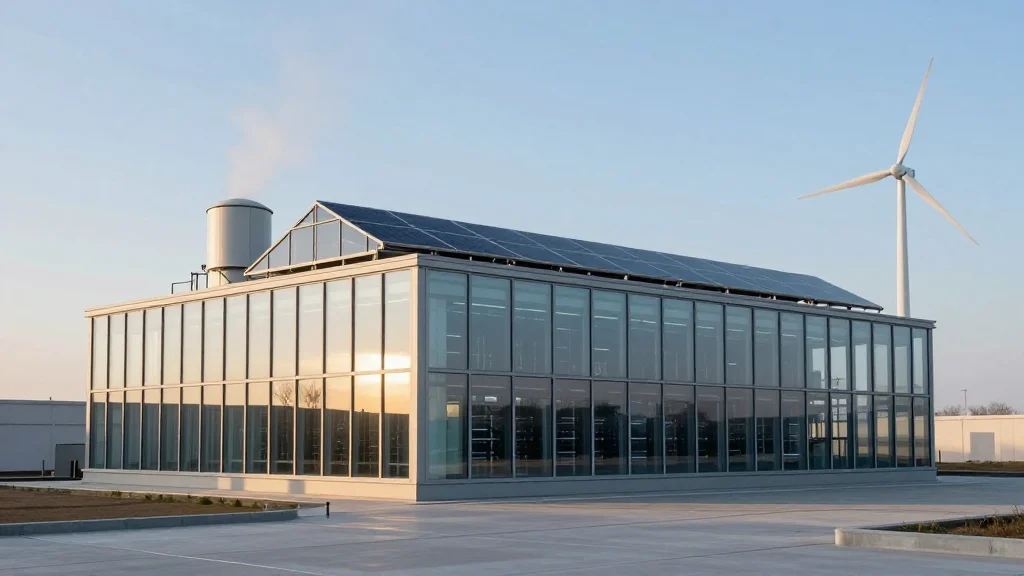
- •Renewable power contracts can offset most emissions from new sites
- •Government incentives needed for waste‑heat reuse and cooling efficiency
- •Coordinated policy could turn data centres into net‑zero assets
Pulse Analysis
The United Kingdom is witnessing an unprecedented surge in data‑centre construction, driven by cloud providers, AI workloads, and the digital transformation of enterprises. This boom threatens to strain an electricity grid already under pressure from decarbonisation efforts. Analysts estimate that, if unchecked, data centres could account for roughly 15% of national power consumption by the early 2030s, a figure that would clash with the UK’s legally binding net‑zero target for 2050. Understanding the scale of demand is the first step toward a sustainable path forward.
Technical solutions exist that can reconcile growth with climate goals. Renewable‑energy purchase agreements, on‑site solar or wind generation, and the use of excess heat for district heating can dramatically cut the carbon intensity of data‑centre operations. Moreover, innovative cooling methods—such as liquid immersion and free‑cooling using ambient air or seawater—reduce electricity use by up to 40% compared with traditional air‑conditioning. However, these technologies require upfront capital and regulatory certainty, underscoring the need for a robust, coordinated policy framework that incentivises green design and penalises wasteful practices.
For investors and policymakers, the stakes are high. A clear green roadmap could turn data centres into net‑zero assets, attracting ESG‑focused capital and reinforcing the UK’s reputation as a tech‑friendly, climate‑conscious hub. Conversely, a fragmented approach may lead to stranded assets and public backlash. The government’s role—through targeted subsidies, streamlined permitting for renewable integration, and standards for waste‑heat reuse—will determine whether the data‑centre boom becomes a catalyst for decarbonisation or a costly liability. Aligning the sector with the broader energy transition is not just an environmental imperative; it is a strategic economic decision.
Can the UK's data centre boom go green?
Comments
Want to join the conversation?
Loading comments...