Chile’s Atacama Desert Is Becoming the World’s Biggest Battery Farm
Companies Mentioned
Why It Matters
The plant demonstrates how long‑term night‑time PPAs can de‑risk utility‑scale storage, unlocking capital for the rapid expansion needed to meet Chile’s industrial and data‑center power demand. It signals a scalable model for other solar‑rich regions seeking to turn intermittent generation into dispatchable energy.
Key Takeaways
- •ContourGlobal launches $500M solar‑storage plant delivering 200 MW for 6.5 h.
- •Chile’s battery capacity will reach 8,400 MW by end‑2026.
- •Night‑time PPAs de‑risk storage, attracting institutional capital.
- •Mining and data centres drive round‑the‑clock renewable demand.
- •Atacama’s solar irradiance makes it ideal for utility‑scale storage.
Pulse Analysis
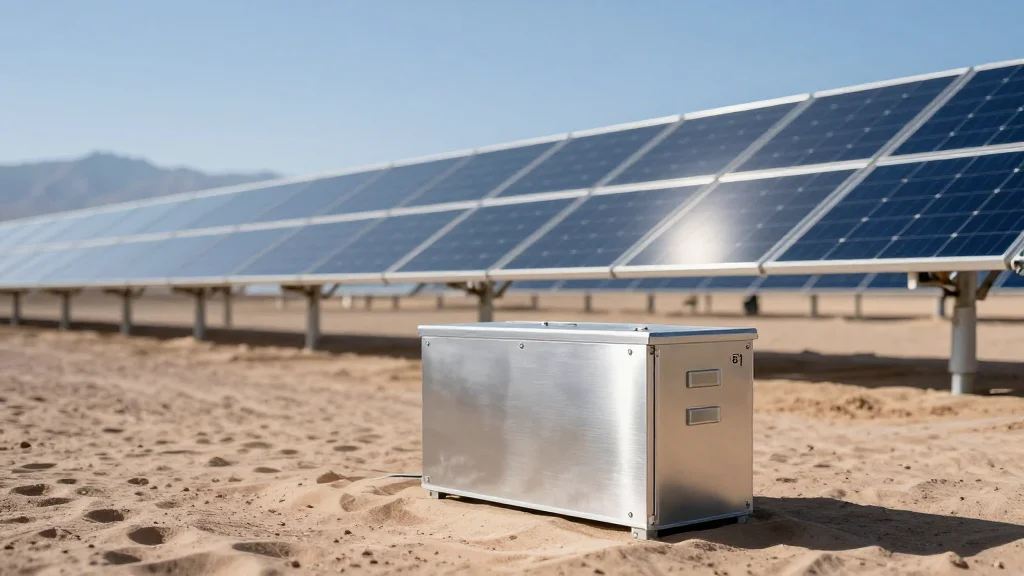
Chile’s Atacama desert is emerging as a natural laboratory for the convergence of solar power and battery storage. The region’s extreme solar irradiance generates more daytime electricity than the national grid can absorb, leading to frequent curtailment. By installing 1.3 GWh of batteries, the Victor Jara hybrid plant captures excess generation and releases it at night, effectively converting a variable resource into a reliable, dispatchable asset. This approach not only mitigates transmission bottlenecks between the north and south but also maximizes the economic return on solar investments.
The financial architecture behind the project is equally transformative. A 15‑year nighttime power purchase agreement with Copec EMOAC guarantees revenue for the discharge period, allowing the storage component to be financed on project‑finance terms rather than speculative merchant risk. This de‑risking mechanism is attracting institutional investors, as evidenced by parallel commitments from AES Andes, Engie Energía Chile, Enel Green Power, and BlackRock‑backed Atlas Renewable Energy. The growing demand from Chile’s mining sector—responsible for a quarter of global copper production—and an expanding data‑center footprint further solidify the need for round‑the‑clock renewable power.
Globally, the economics are aligning to make hybrid solar‑plus‑storage projects competitive with new gas‑fired plants. Battery costs have fallen roughly 90 % over the past decade, while solar generation prices continue to decline. Chile’s model—massive desert solar farms paired with long‑term night‑time PPAs—offers a replicable blueprint for other sun‑rich economies seeking to decarbonize their grids and attract capital. By the end of 2026, Chile is projected to host over 8,400 MW of battery storage, cementing its status as one of the world’s largest storage markets and a proof point for the global energy transition.
Chile’s Atacama desert is becoming the world’s biggest battery farm
Comments
Want to join the conversation?
Loading comments...