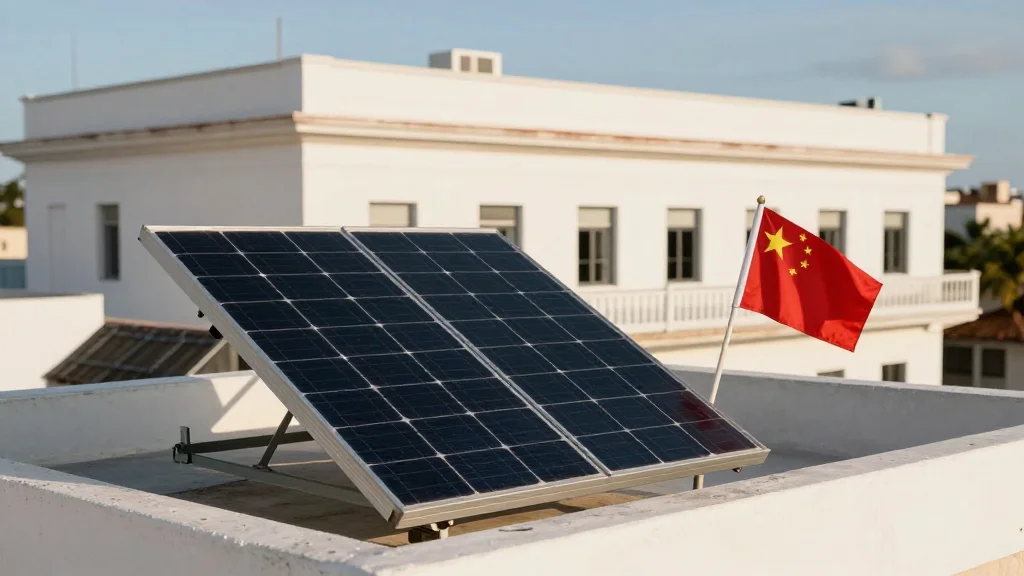
China Donates 5,000 Solar PV Systems to Cuba Amid Energy Crisis
Why It Matters
The deployment provides immediate energy resilience for vital public services and improves living standards in underserved Cuban communities, reducing migration pressure and showcasing renewable energy as a strategic tool in a fuel‑constrained economy.
Key Takeaways
- •China donates 5,000 two‑kilowatt solar PV kits to Cuba
- •2,671 systems target municipal vital services; 2,329 serve isolated homes
- •Off‑grid panels keep hospitals, banks, and radio stations operating during outages
- •Project aims to curb migration by providing electricity to “zero‑volt” households
- •Canada contributes 502 PV units in Holguín, expanding Cuba’s renewable portfolio
Pulse Analysis
Cuba’s chronic energy shortages have been driven by dwindling fuel imports and an aging grid, leaving hospitals, banks and even basic radio stations vulnerable to frequent blackouts. Off‑grid solar photovoltaic (PV) technology offers a pragmatic stopgap, allowing critical infrastructure to operate independently of the national supply chain. By installing 2‑kW systems that can power essential appliances for several hours, the Cuban government can maintain health services, financial transactions and communications during the most acute outages, a vital step toward stabilizing daily life in a country where fuel logistics are increasingly unreliable.
The Chinese donation of 5,000 PV kits underscores Beijing’s growing soft‑power outreach in the Caribbean, aligning renewable energy assistance with broader diplomatic objectives. By targeting both municipal hubs and remote households, the program not only boosts energy security but also serves as a showcase of China’s capacity to deliver large‑scale renewable solutions in politically sensitive environments. The initiative dovetails with Havana’s stated goal of diversifying its energy mix, while providing China a foothold in a region traditionally dominated by U.S. influence.
Beyond the Chinese contribution, Cuba is diversifying its renewable portfolio through Canadian‑funded projects and locally managed solar charging stations for medical equipment. The 502 PV units slated for Holguín and the 126 solar‑powered medical chargers illustrate a multi‑partner approach to energy resilience. As these off‑grid installations expand, they lay groundwork for a gradual transition toward a more decentralized, renewable‑centric grid, potentially reducing dependence on imported fossil fuels and opening avenues for future investment in storage and micro‑grid technologies.
China Donates 5,000 Solar PV Systems to Cuba Amid Energy Crisis
Comments
Want to join the conversation?
Loading comments...