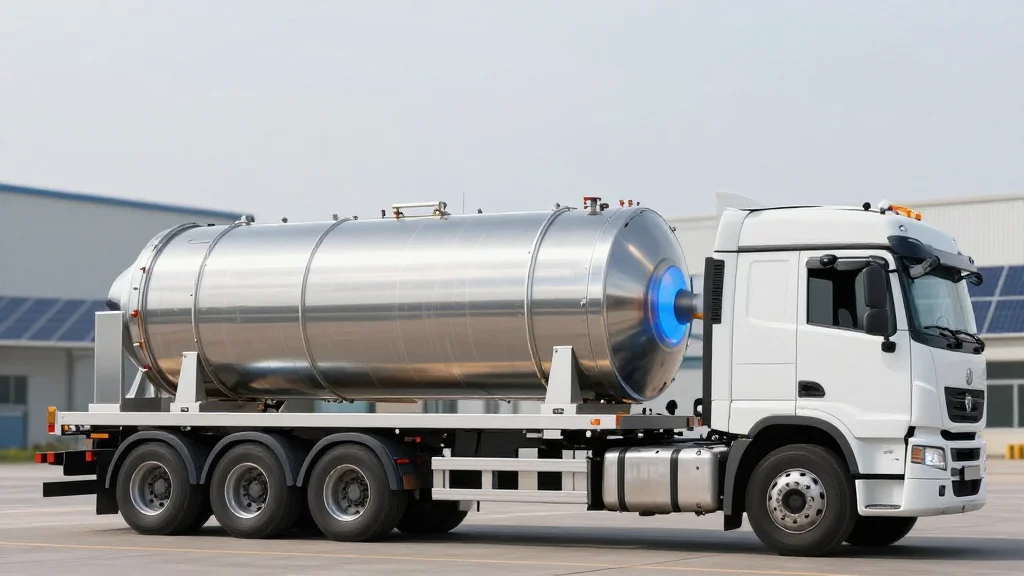
China Tests 10‑MW Mobile Nuclear Power Bank for AI Data Centres

Why It Matters
The prototype addresses two converging pressures: the AI industry's soaring electricity demand and the global push for decarbonisation. By offering a compact, zero‑operational‑emission power source, the mobile reactor could enable data centres to expand in regions without robust grid infrastructure while meeting climate targets. At the same time, the project tests the limits of nuclear safety frameworks. Successful validation could accelerate regulatory pathways for other SMR and micro‑reactor concepts, reshaping the energy mix for remote and high‑density applications worldwide.
Key Takeaways
- •Chinese team led by Professor Wu Yican begins engineering‑test trials of a 10 MW truck‑mounted nuclear reactor.
- •Prototype marketed as an ultra‑safe, ultra‑small, ultra‑long‑lasting power bank for AI data centres and remote sites.
- •If commercialised, the reactor could replace diesel generators, cutting operational CO₂ emissions dramatically.
- •Project aligns with global SMR and micro‑reactor trends but faces regulatory and public‑safety scrutiny.
- •Next steps: complete safety evaluation, secure operating permit, and conduct field trials at an AI data centre.
Pulse Analysis
The emergence of a mobile 10‑MW nuclear unit reflects a strategic pivot in the climate‑tech arena: moving from stationary, large‑scale reactors toward flexible, high‑density power assets that can be deployed where the grid cannot keep pace. Historically, nuclear power has been hampered by high upfront costs, long construction timelines, and public opposition. SMRs have been touted as a solution, yet few have progressed beyond the design stage. This Chinese prototype could prove that transportability adds a compelling value proposition, especially for AI workloads that demand uninterrupted, high‑capacity electricity.
From a market perspective, the AI sector is becoming a major electricity consumer, with estimates that AI‑driven training runs now account for a sizable share of global data‑centre power use. Companies are under increasing pressure from investors and regulators to demonstrate carbon‑neutral pathways. A mobile nuclear power bank offers a way to decouple AI expansion from fossil‑fuel reliance, potentially unlocking new data‑centre locations in remote or developing regions. However, the technology's success hinges on regulatory approval and public acceptance, both of which have historically slowed nuclear roll‑outs.
Looking ahead, the prototype could catalyse a wave of investment in transportable nuclear solutions, prompting other nations to explore similar concepts. If the safety tests are passed and a commercial model emerges, we may see a new niche market where nuclear power competes directly with renewable‑plus‑storage bundles for high‑intensity, off‑grid applications. The coming months will be critical in determining whether this concept remains a laboratory curiosity or becomes a cornerstone of low‑carbon, AI‑driven growth.
China Tests 10‑MW Mobile Nuclear Power Bank for AI Data Centres
Comments
Want to join the conversation?
Loading comments...