Clean Energy Will Help Power FIFA World Cup This Summer
Companies Mentioned
Why It Matters
The initiative demonstrates how large‑scale venues can cut emissions, lower operating costs, and generate revenue through grid services, setting a benchmark for future mega‑events and influencing industry standards for sustainable stadium operations.
Key Takeaways
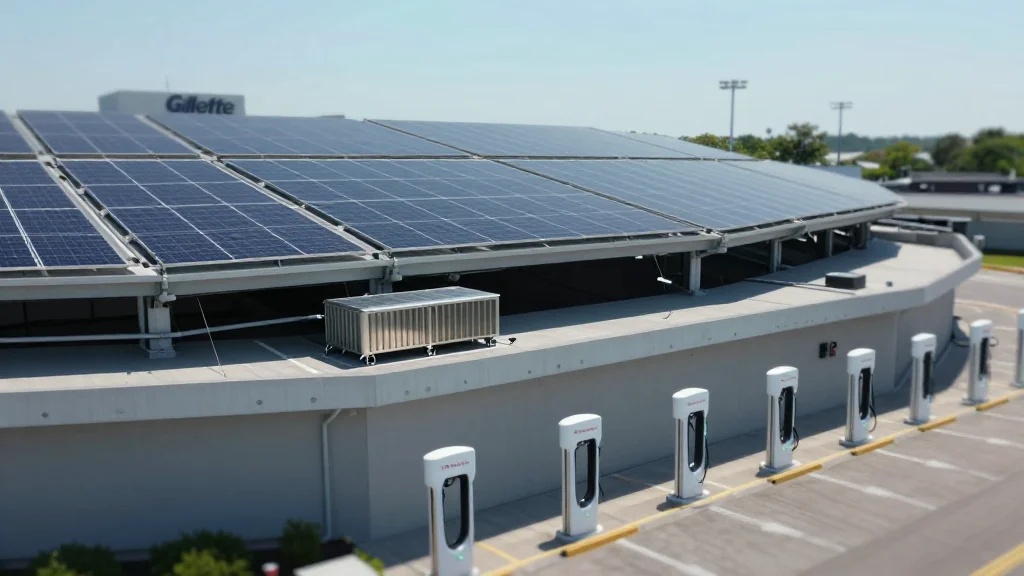
- •2 MW fuel cell supplies ~50% of stadium power.
- •1 MW solar covers about 60% of operations.
- •LEED Gold certification achieved for operations and maintenance.
- •Demand‑response program cuts peak demand and earns payments.
- •65 EV chargers use smart software to balance grid load.
Pulse Analysis
Massachusetts’ clean‑energy policies are coming to the global stage as Gillette Stadium prepares for the 2026 FIFA World Cup. The venue’s hybrid power system—combining a 2 MW solid‑oxide fuel cell, a 1 MW rooftop solar array, and renewable energy certificates—delivers roughly half of its electricity on‑site while offsetting about 1,500 metric tons of CO₂ annually. By operating as a microgrid, the stadium can disconnect from the regional grid during peak periods, ensuring reliable service for fans and reducing reliance on fossil‑fuel generation.
Beyond generation, Gillette’s sustainability strategy leverages demand‑response and smart‑charging technologies. In partnership with Enel, the facility curtails HVAC, lighting, and chillers during grid stress events, earning standby and performance payments that offset electricity bills. Simultaneously, 65 JuiceBox Pro EV chargers, managed by JuiceNet software, shift charging to low‑cost, high‑renewable periods, helping the local utility flatten peak demand. These measures illustrate how venues can turn energy efficiency into a revenue stream while supporting broader grid stability.
The stadium’s approach signals a shift for the sports and entertainment industry, where large‑capacity sites are increasingly expected to meet aggressive ESG goals. Achieving LEED Gold certification underscores the feasibility of retrofitting existing complexes with renewable assets and advanced energy management. As other World Cup host cities evaluate their own carbon footprints, Gillette’s model provides a replicable blueprint that blends environmental stewardship with financial upside, accelerating the transition toward greener mega‑events worldwide.
Clean energy will help power FIFA World Cup this summer
Comments
Want to join the conversation?
Loading comments...