CNOOC's Tianjin Heavy‑Equipment Plant Becomes China’s First Zero‑Carbon Factory

Why It Matters
The Tianjin factory demonstrates that even the most energy‑intensive sectors can achieve net‑zero status through integrated digital, renewable and carbon‑offset strategies. Its certification provides a proof‑point for policymakers seeking to translate ambitious national climate targets into actionable industrial reforms. By proving that zero‑carbon production can coexist with high‑value heavy equipment output, the project could reshape investment decisions, prompting capital flows toward smart‑manufacturing technologies and renewable energy integration in factories worldwide.
Key Takeaways
- •CNOOC’s Tianjin offshore equipment base certified as China’s first zero‑carbon heavy‑equipment factory
- •Digital‑twin system monitors 20,000 m² plant in real time, reducing downtime and emissions
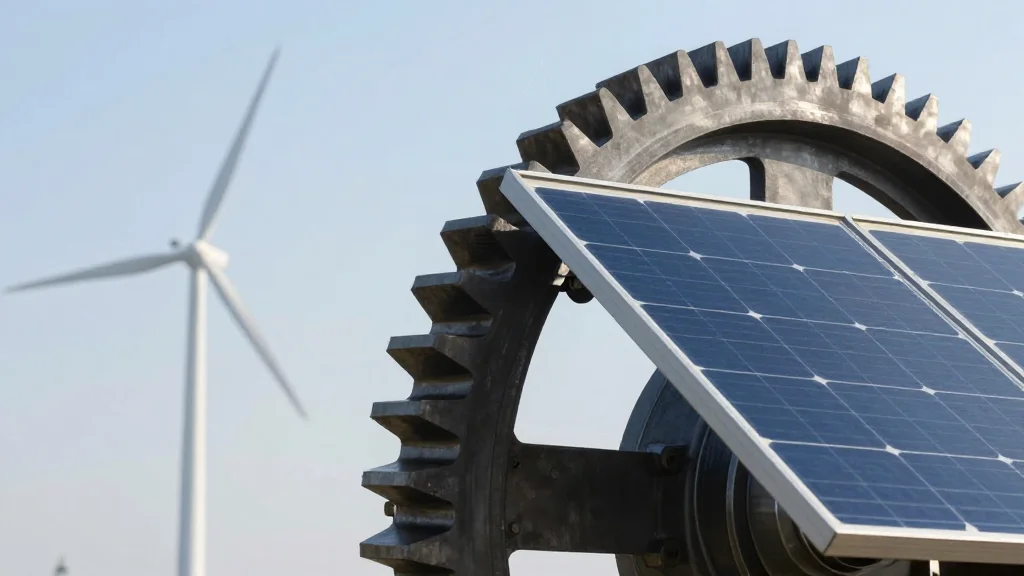
- •Solar panels and wind‑powered smart lamp posts save ~19,000 kWh annually, cutting energy use ~30%
- •Residual emissions offset via voluntary carbon‑reduction purchases on carbon markets
- •Factory aligns with China’s 2026‑2030 Five‑Year Plan and new zero‑carbon factory guidelines
Pulse Analysis
CNOOC’s achievement marks a watershed for China’s heavy‑industry sector, which has traditionally lagged behind lighter manufacturing in emissions reductions. The digital‑twin approach not only provides granular visibility into energy consumption but also creates a data‑driven feedback loop that can be replicated across the nation’s sprawling industrial parks. Investors are likely to view such capabilities as risk mitigants, potentially lowering the cost of capital for firms that adopt similar technologies.
Historically, China’s industrial decarbonisation relied on top‑down mandates and subsidies for renewable installations. The Tianjin case illustrates a shift toward operational efficiency as the primary driver, turning sustainability into a profitability lever. This could accelerate the rollout of smart‑factory standards, prompting equipment vendors to embed digital‑twin functionality into new machinery.
Looking ahead, the real test will be scaling the model to older, less‑automated plants that lack the capital for extensive retrofits. If CNOOC can demonstrate cost‑effective upgrades, it may catalyze a broader industry movement, aligning China’s manufacturing sector with its 2035 net‑zero ambitions and setting a benchmark for emerging economies pursuing similar pathways.
CNOOC's Tianjin Heavy‑Equipment Plant Becomes China’s First Zero‑Carbon Factory
Comments
Want to join the conversation?
Loading comments...