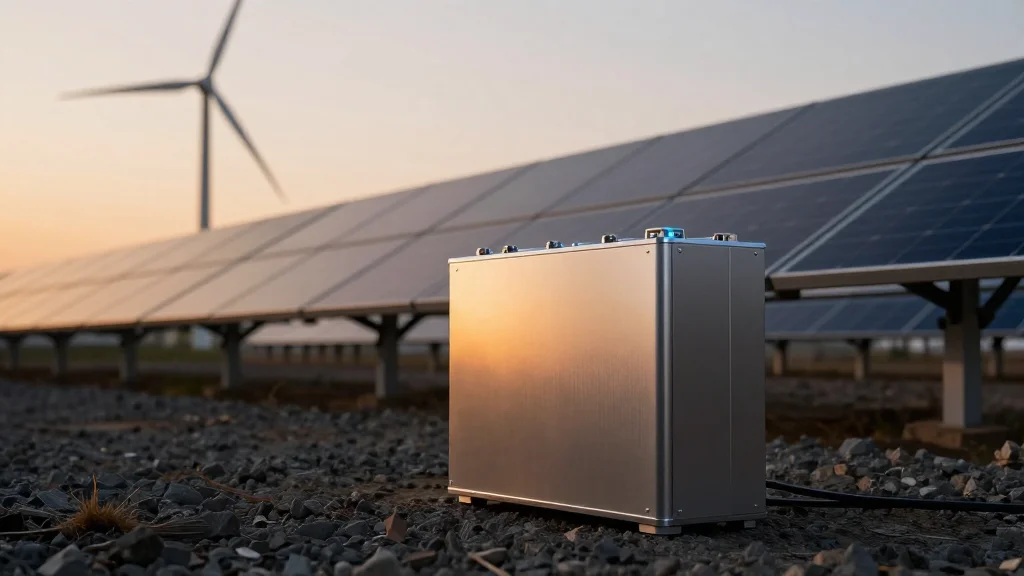
Coal State’s Biggest Renewable Tender to Focus on Power Delivered when the Sun Don’t Shine
Companies Mentioned
Why It Matters
The tender will accelerate Australia’s shift to firm, low‑carbon generation, helping retire coal plants and stabilise electricity markets. It also signals strong investor confidence in hybrid and storage technologies as cornerstones of grid reliability.
Key Takeaways
- •2.5 GW renewable tender prioritizes non‑solar hour generation.
- •Solar‑battery hybrids must match storage capacity to generation.
- •12.5 GWh long‑duration storage tender seeks eight‑hour systems.
- •Wind projects valued for evening and night output.
- •NSW targets firm capacity to retire aging coal plants.
Pulse Analysis
New South Wales is at a pivotal moment in its energy transition, with four coal generators slated to exit the grid over the next decade. To avoid supply gaps, the state has announced a 2.5‑gigawatt renewable tender that explicitly favors projects capable of delivering electricity when solar output wanes. By coupling this with a 12.5‑gigawatt‑hour long‑duration storage tender, NSW is building a layered approach that blends generation and storage to ensure reliability, price stability, and compliance with its 2030 emissions targets.
The tender’s emphasis on solar‑battery hybrids reflects a broader market shift. Falling photovoltaic and battery cell costs have made hybrid plants economically attractive, but the briefing notes that storage duration must equal or exceed generation capacity to qualify. This requirement pushes developers toward larger, multi‑hour batteries or integrated pumped‑hydro schemes, ensuring that excess daytime solar can be shifted to evening peaks where wholesale prices are higher. Wind projects also receive a boost, given their natural alignment with night‑time demand, reinforcing a balanced mix that mitigates the "duck curve" effect caused by rooftop solar proliferation.
Long‑duration storage is the next frontier for grid resilience. While big‑battery installations have dominated previous LDS tenders, the new eight‑hour minimum opens the door for pumped‑hydro and advanced compressed‑air solutions, which can provide multi‑day discharge capabilities. Acen Renewables’ Phoenix pumped‑hydro project and the Silver City compressed‑air facility illustrate the diversification of storage assets. As NSW pursues a 42 GWh storage reserve by the early 2030s, the outcome of this tender will shape the technology portfolio that underpins Australia’s low‑carbon, reliable electricity system.
Coal state’s biggest renewable tender to focus on power delivered when the sun don’t shine
Comments
Want to join the conversation?
Loading comments...